
The Sequence
The year 2023 was exhausting and overwhelmed with grief. This is a year of disappointments, reassessments, and the realization that full-scale war will last long. And therefore, there will be many more losses and destruction.
Historical heritage also remains in danger. Every day russian occupiers destroy or plunder our sights. Priceless information about the history of our families forever disappears under debris, in fires, destroyed by moisture and pests. We will never be able to fully comprehend the extent of our losses.
During this year, our team worked to find and decipher the half-fainted traces of the past, to tell the stories of those who could not do it themselves, and not let to forget what we are all going through right now. Fortunately, we were not alone in our work, we received a lot of help from like-minded people in Ukraine and abroad.
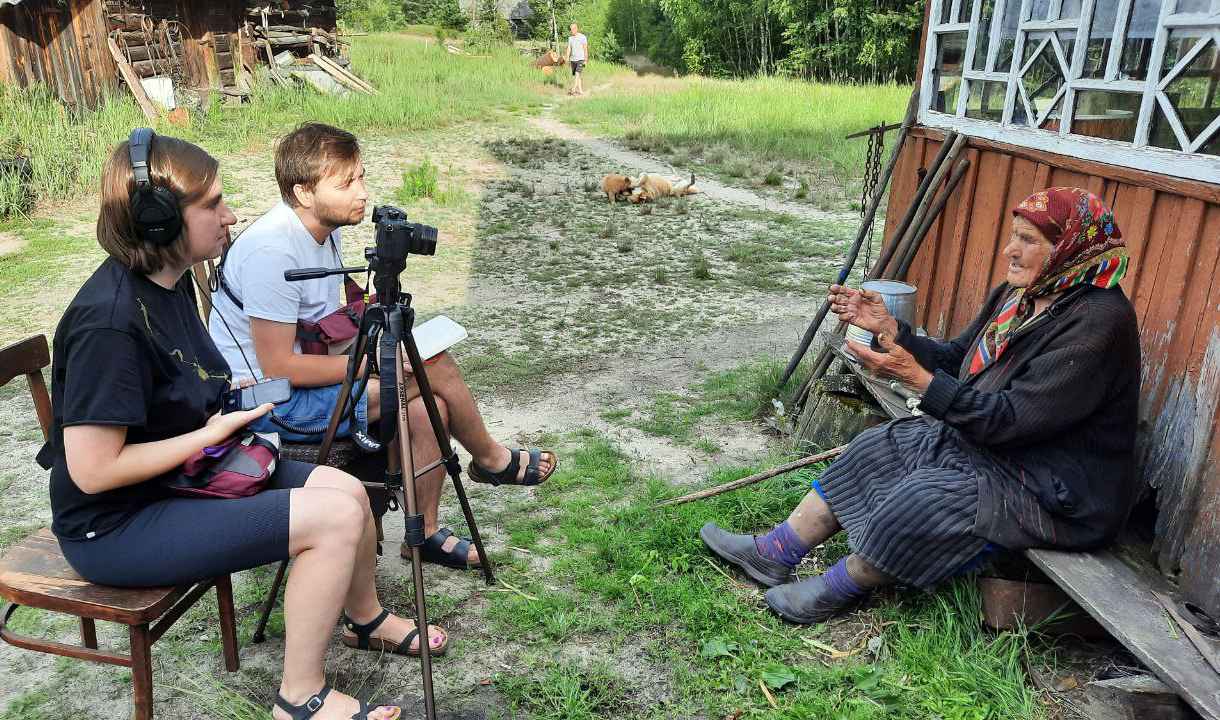
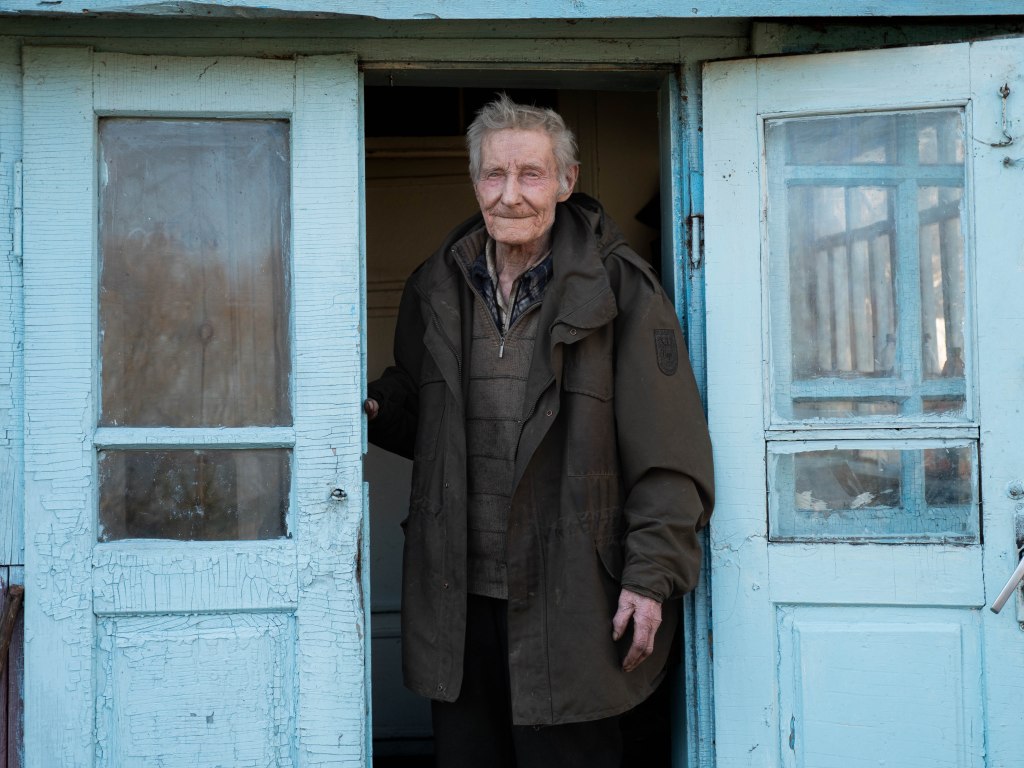
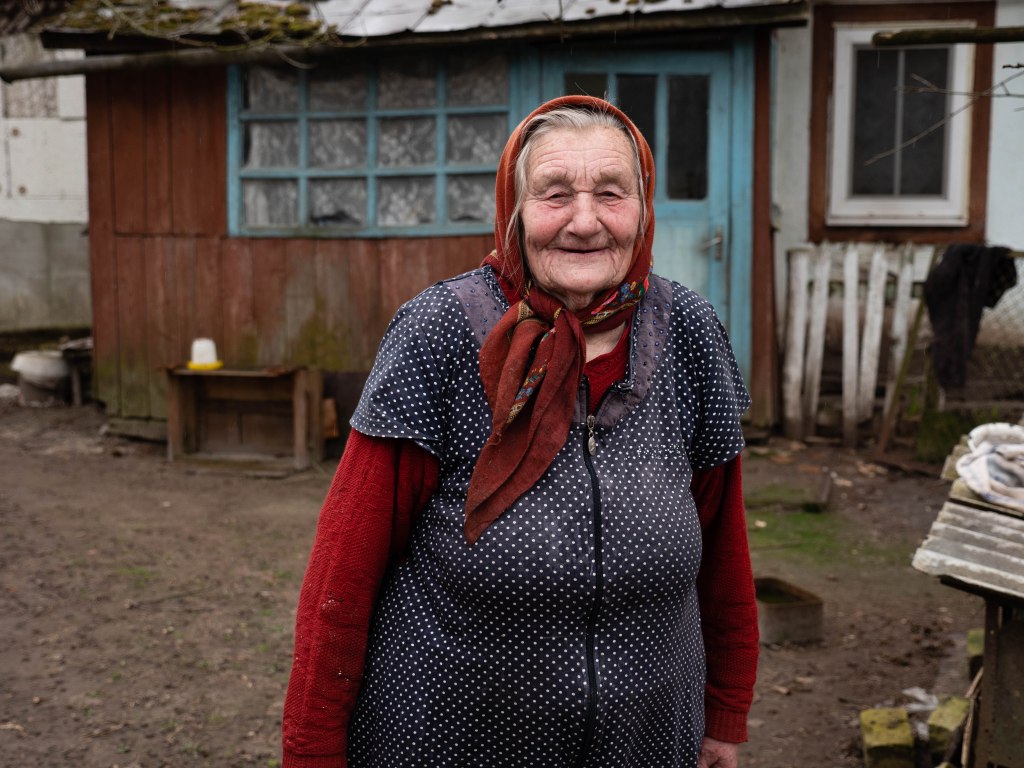
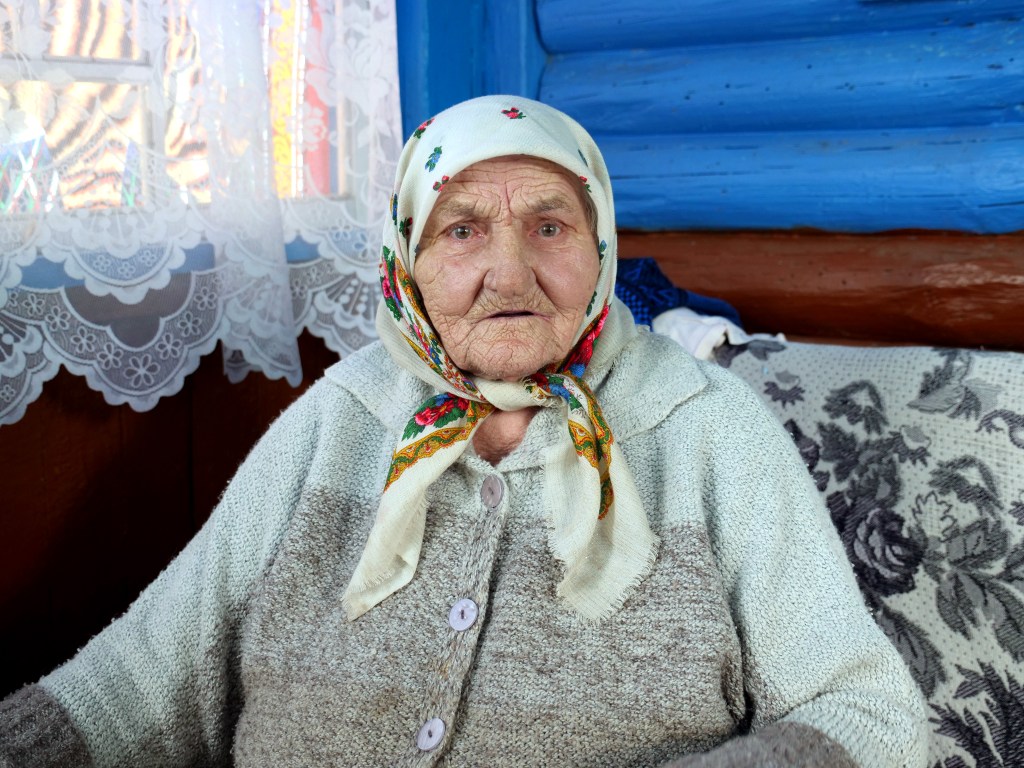
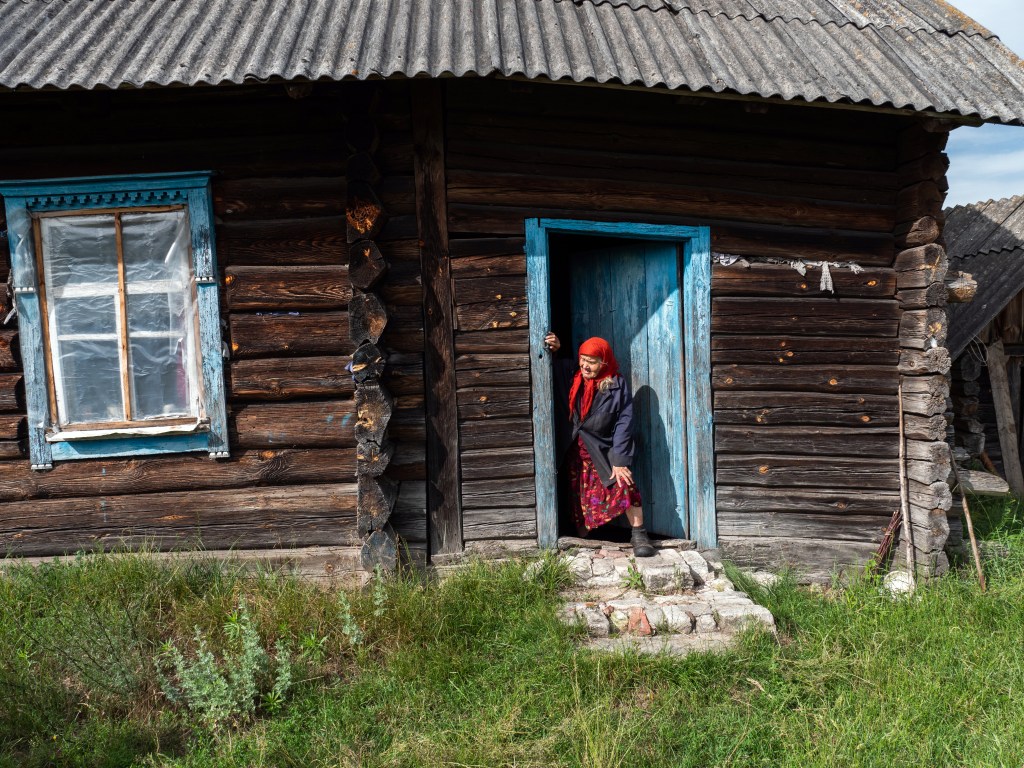
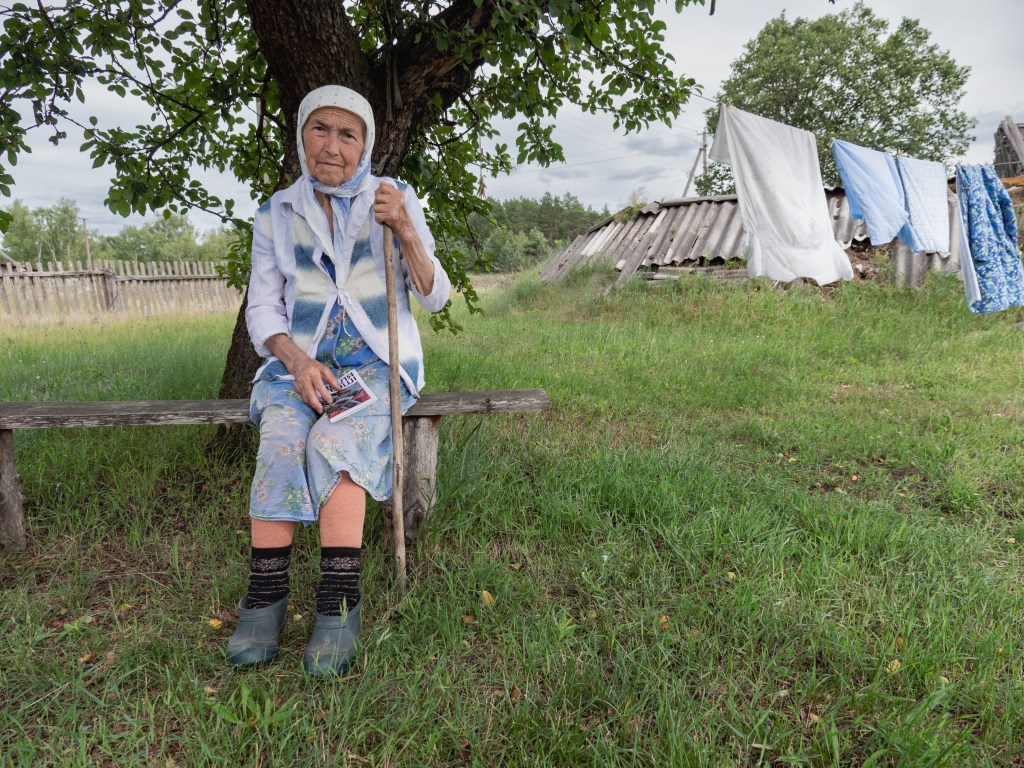
⇥ 35 recorded oral history interviews.
⇥ 27 visited settlements and recorded interviews in Chernihiv, Cherkasy, Lviv, Ivano-Frankivsk, Ternopil, Volyn, Rivne, Zhytomyr, Vinnytsia, Kirovohrad regions of Ukraine, and in Germany.
⇥ 101 years old — the age of the oldest storyteller at the moment of recording.
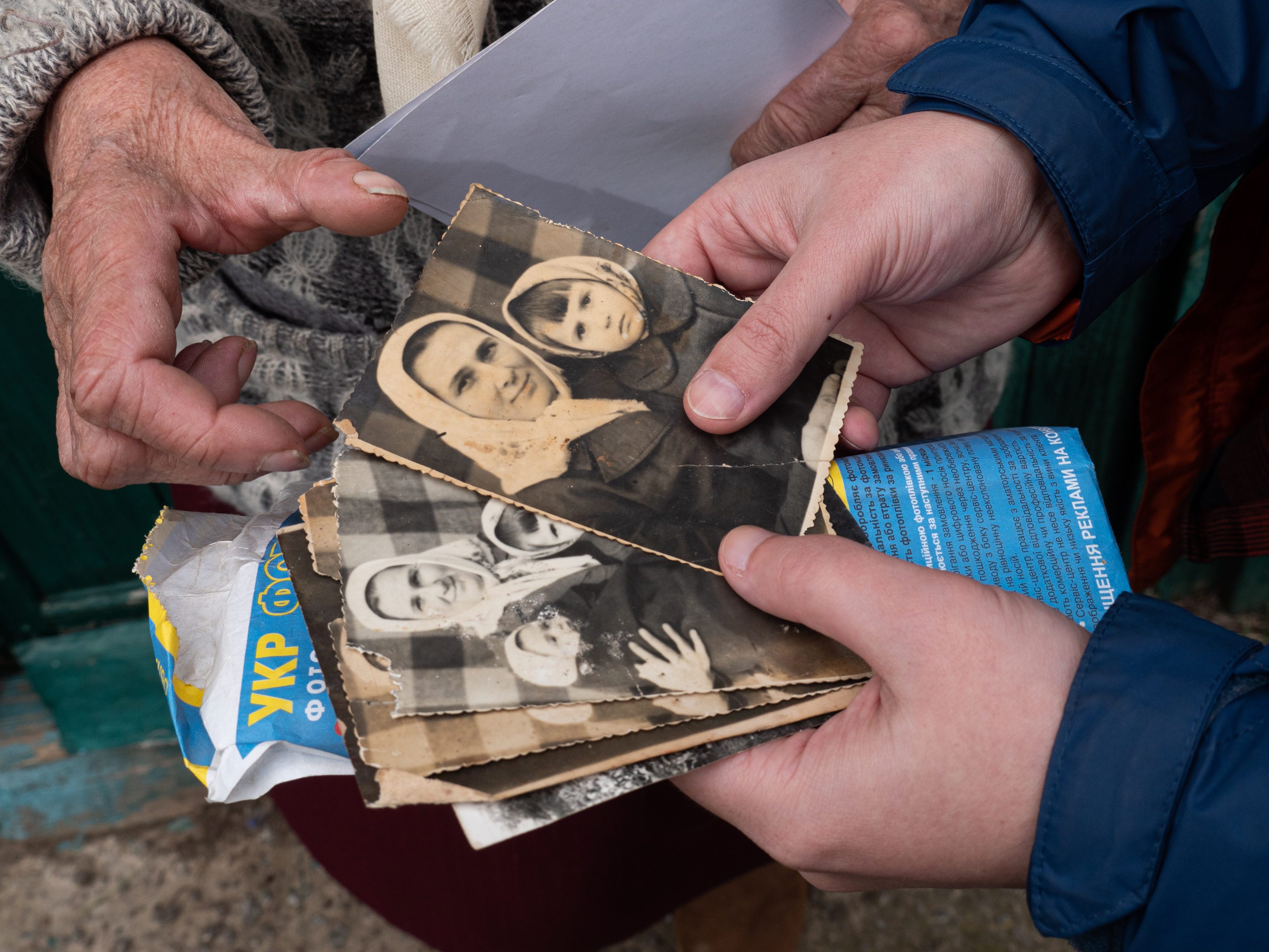
⇥ 4000+ digitized photos and documents from private archives.
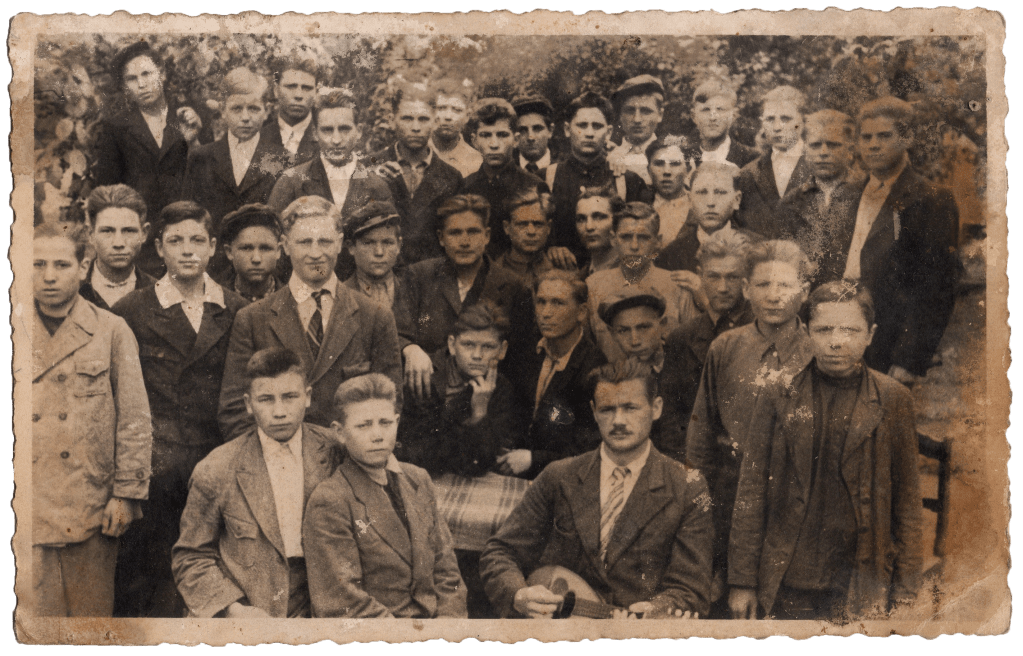
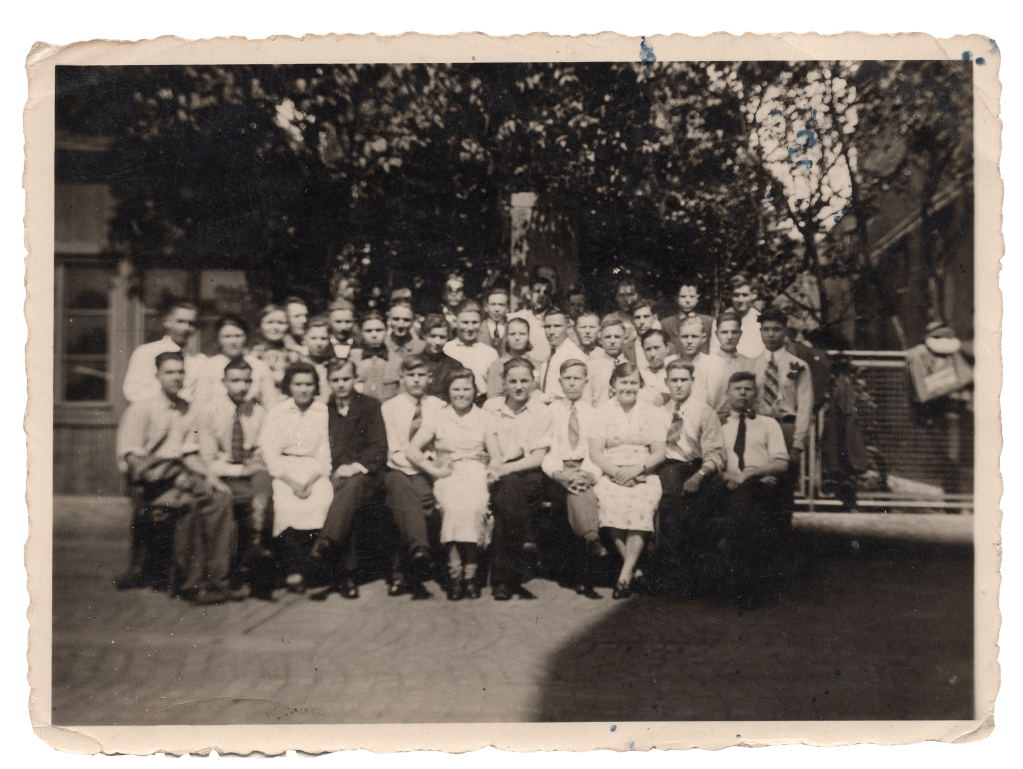
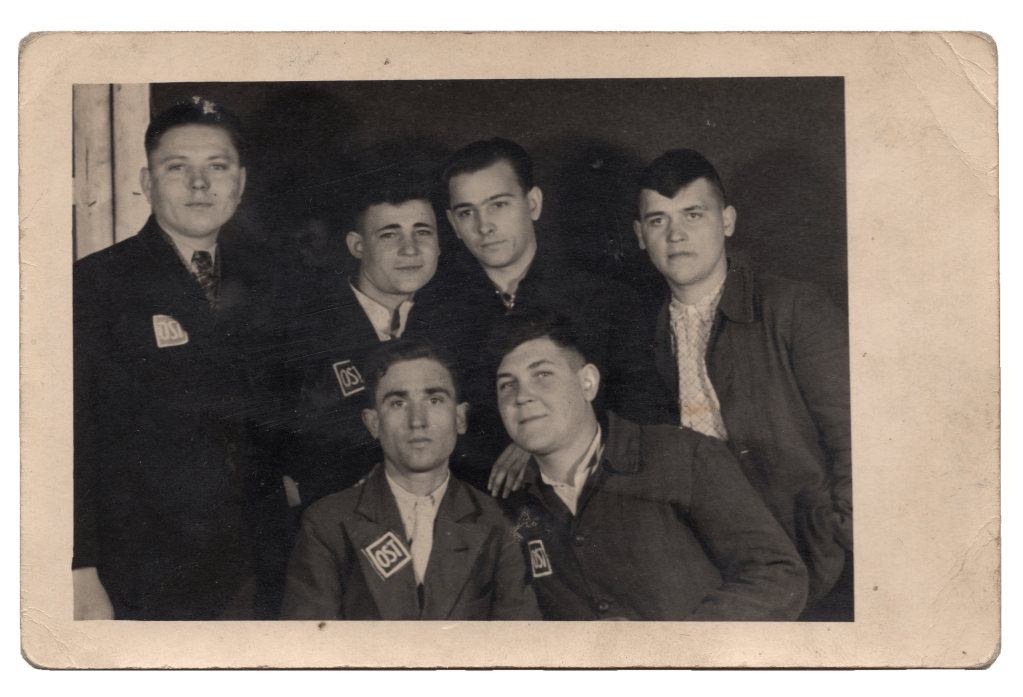
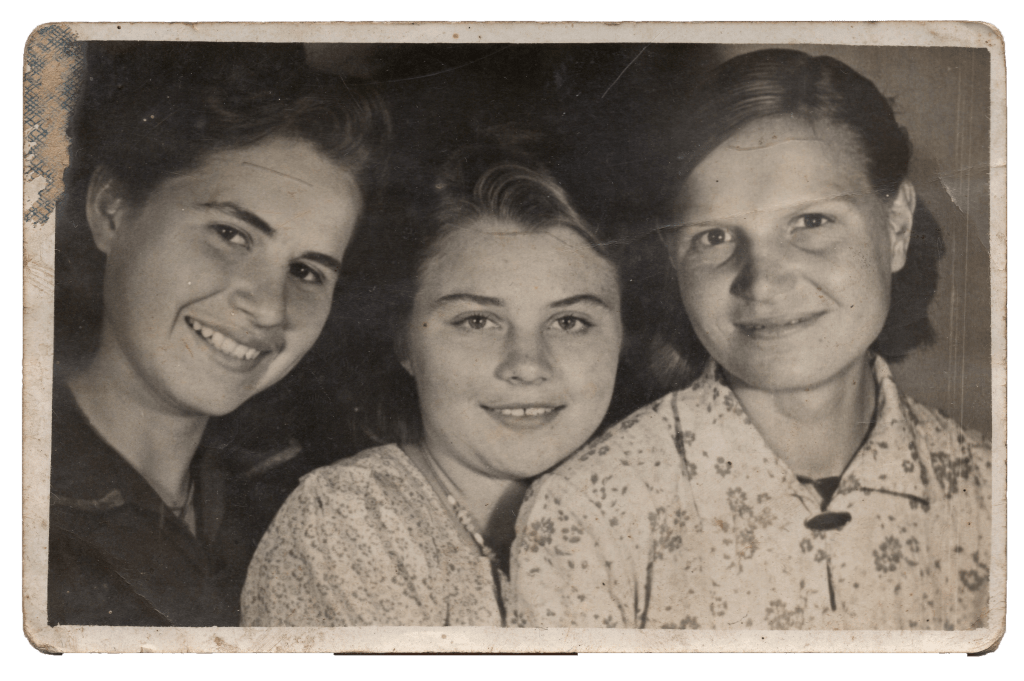
⇥ 300+ photos, letters, postcards, and other documents of Ukrainian forced laborers in Nazi Germany, as well as some other artifacts purchased at online auctions as evidence of the tragic events of the middle of the 20th century.
⇥ 130+ photos and documents of the Nazi and Soviet mass violence history contributed to our funds.
13 media publications about us and our achievements
1—Olena Martynchuk for Zaborona
2—Megan Buskey for The Atlantic
3—Anastasia Chuprynska for Radio Svoboda
“My First Memory is from When My Mother Was Released from the Camp”: Childhood Memories of the Gulag
4—Caption video for Radio Svoboda
“Who Needs That War?” People Who Survived the Second World War
5—Interview with Daria Reznyk for the Mitropa printed publication of the University of Leipzig
„Über Osteuropa Bescheid […] wissen“. Geflüchtete ukrainische Wissenschaftlerinnen und ihr Weg
6—Andrii Usach, Anna Yatsenko for Zaborona
“They Came for Us at 4 in the Morning”: Stories of Ukrainians Deported by the Soviet Authorities
7—Dmytro Afanasiev for Suspilne. Culture
8—Andrii Usach and Zakhar Davydenko’s conversation in the Ukr folk Podcast
Historian Andrii Usach about the Traumatic Past of Ukraine and its Present-day Comprehension
9—Daria Reznyk for the Mitropa printed publication of the University of Leipzig
“The Most Documented War: Ukrainian Oral History in the Time of the Extremes”
10—A discussion between Andrii Usach, Anna Yatsenko, and the German historian Johannes Spohr for TAZ.de
11—Olga Telypska for Radio Pershe
Fear God and the Boys from Hulyaipole: “Hulyaipole Antiquities”. Serhii Zvilinskyi and Andrii Usach
12—Victoria Eismunt for ZAXID.net
13—Yuliya Ravliuk, Ivanka Dus’ko for Suspilne
An Exhibition of Artifacts from the Front-line Hulyaipole Is Being Prepared in Lviv

22 presentations on different platforms, both in Ukraine and internationally, to showcase our work
1—Round table “Ukrainian Society and the Memory of the Holocaust: Experience of the Present-day War against Ukraine”
Ukrainian Center for Holocaust Studies
(Kyiv, Ukraine)
2—Presentation Soviet Deportations from the Western Part of Ukraine: A History of Experiences and Memory
Leibniz Research Colloquium of the Institute for the History and Culture of Central and Eastern Europe
(Leipzig, Germany)
3—International Workshop “Witnessing the Now: Challenges of Emergency Documenting and Archiving in a Comparative Perspective”
Institute of Philosophy and Sociology of the Polish Academy of Sciences
(Warsaw, Poland)
4—Events in Remembrance of Victims of Nazi Forced Labor
Organized by the Förderverein Mahn- und Gedenkstätte Walpersberg e.V.
(Kala, Germany)
5—Symposium: “The Most Documented War: Initiatives in Documentation and Archiving”
Center for Urban History of East Central Europe
(Lviv, Ukraine)
6—”Wordless” Documentary Film Screening
Events Commemorating Holocaust Victims in the Village of Ivaniv
(Ivaniv, Ukraine)
7—Conference: “A Memory That Saves Lives: Prospects for German-Ukrainian Cooperation”
Support Network for Nazi Repression Survivors in Ukraine
(Zenne, Germany)
8—Workshop: “Public History in the Context of War: Rethinking Approaches and Formats”
Center for Urban History of East Central Europe
(Lviv, Ukraine)
9—ЛLecture Workshop: “Family Stories of the 20th Century: Research, Preservation, Revelation”
European Heritage Days in Lviv
(Lviv, Ukraine)
10—”Wordless” Documentary Film Screening
Zhovkva Central Public Library Film Club
(Zhovkva, Ukraine)
11—Educational Camp for Participants of the International Project “Memory Savers UA”
Saving Ukrainian Cultural Heritage Online
(Lviv, Ukraine)
12—”Wordless” Documentary Film Screening
DocuClub at the Rohatyn Central Library
(Rohatyn, Ukraine)
13—Workshop: “The Holocaust in Local History Museums’ Exhibits and Educational Materials”
“The Memory Network” Project
(online, Ukraine)
14—Lecture “‘When You Look at the Photo, You Will Remember Me’: Personal Stories of Ukrainian Forced Laborers in Nazi Germany”
The Discussion Program “Source as a Choice” of the Center for Urban History of East-Central Europe
(Lviv, Ukraine)
15—”Wordless” Documentary Film Screening and Discussion on Documenting Ukraine’s Tragic History
Exhibition: “And That Is My Biography” at the “Dobromyl Region” Information, Education, and Research Center
(Dobromyl, Ukraine)
16—Online Networking Meeting “Interview Projects on the Ukrainian History since 1991”
Center for Eastern, Central, and Southeastern European Studies
(online, Germany)
17—Art Residency “Crossroads of Centuries: Voices of Survivors”
Cultural Initiatives Association
(Zhovkva, Ukraine)
18—Researcher Meeting: “Documenting the 20th Century During Wartime: ‘After Silence’ Experiences”
War Childhood Museum
(online, Ukraine)
19—Meeting: “Discussing the Museum Over Coffee”
Donetsk Regional Museum of Local History
(online, Ukraine)
20—Training Seminar: “Studying the Local History of the Molotov-Ribbentrop Pact Through Family Histories of former and current residents of Chernivtsi”
International Scientific Project “Citizens Investigating the Local History of the Molotov-Ribbentrop Pact in Chernivtsi”
(Chernivtsi, Ukraine)
21—Expert Meeting with Teenage Interns
“Space of Tolerance” Educational Center
(online, Ukraine)
22—Training Session within the Educational Seminar “Multicultural History Workshop”
Civitas Community Action Center
(Rivne, Ukraine)
1 project —
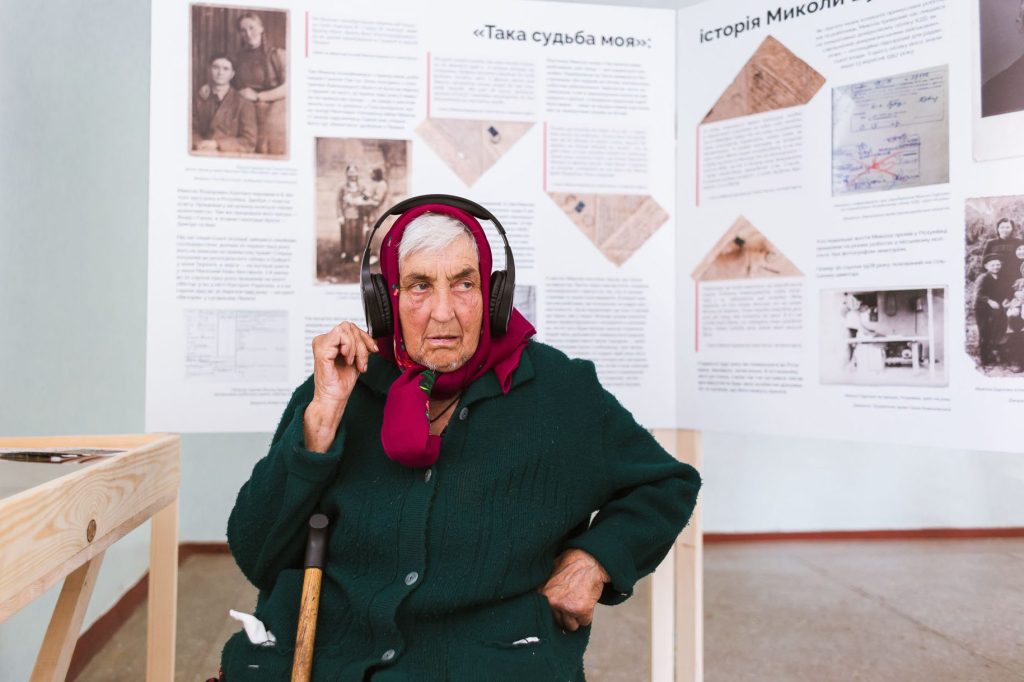
The exhibition “‘Our Bitter Life in Germany’: The Fates of Forced Laborers from Rozumivka during the Second World War”
▲ The exhibition is centered around the story of Mykola Burlaka (1923–1978), a forced laborer from the village of Rozumivka in the Kirovohrad region, whose letters were acquired through an online auction in October 2022. In addition to Burlaka’s narrative, the exhibition sheds light on the plight of over 140 of his compatriots who also endured forced labor. Their experiences are reconstructed through a collection of photographs and documents sourced from the Rozumivka Village History Museum, Ukrainian and German archives, and family gatherings of descendants.
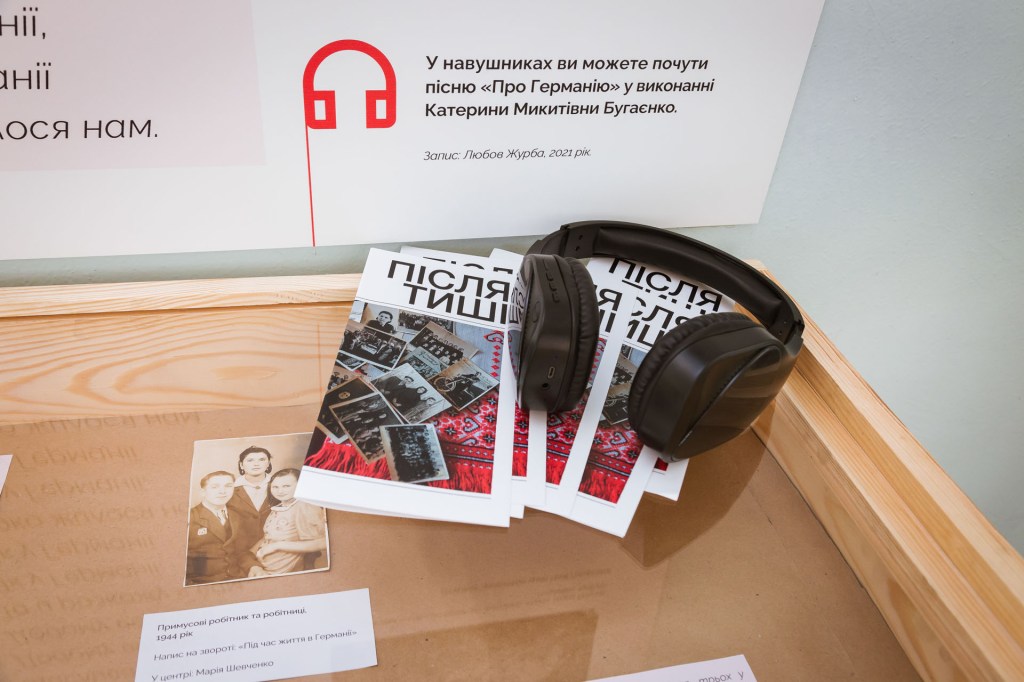
The exhibition’s title draws from a quote found in the song “About Germany,” performed by former forced laborers from Rozumivka. On September 27, 2023, the exhibition debuted at the Rozumivka Village Cultural Center. Developed in collaboration with the local community and supported by the Rosa Luxemburg Stiftung, the exhibition was made possible through funding from the Ministry of Economic Cooperation and Development of Germany.
Publications
The “After Silence” team was in search of descendants of ostarbeiters in Rozumivka—The first digital newspaper
After Silence — comes speech: An exhibition featuring photographs of local ostarbeiters will be held in Rozumivka—The first digital newspaper
142 individuals were identified. An exhibition about the fate of ostarbeiters from the village was inaugurated in Rozumivka, Kirovohrad region—Viktoria Voloshanenko, Suspilne
More photos
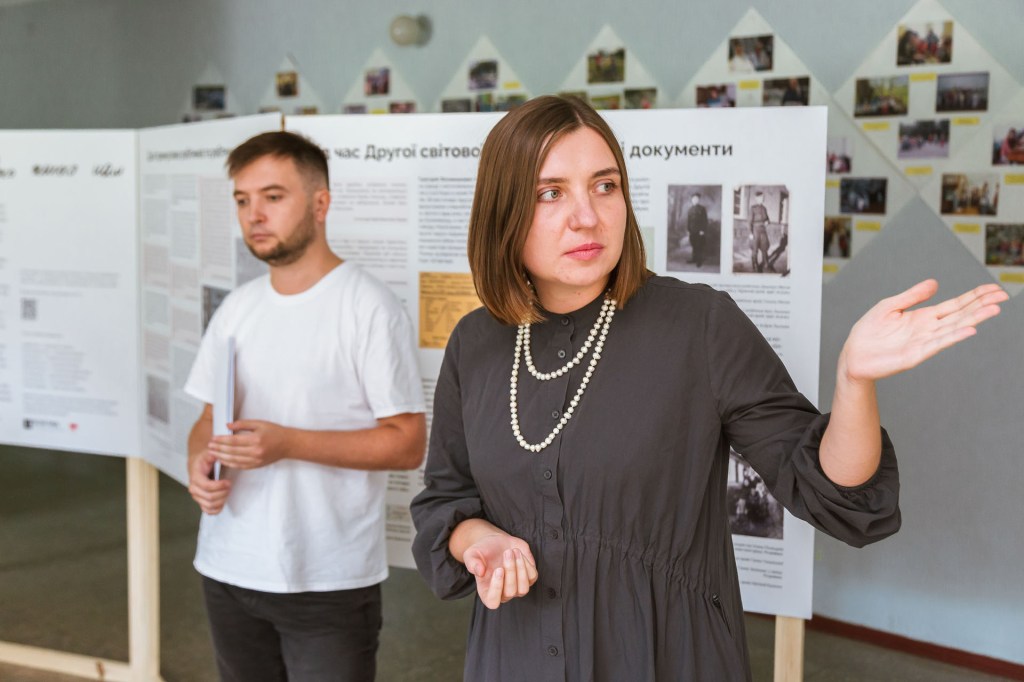
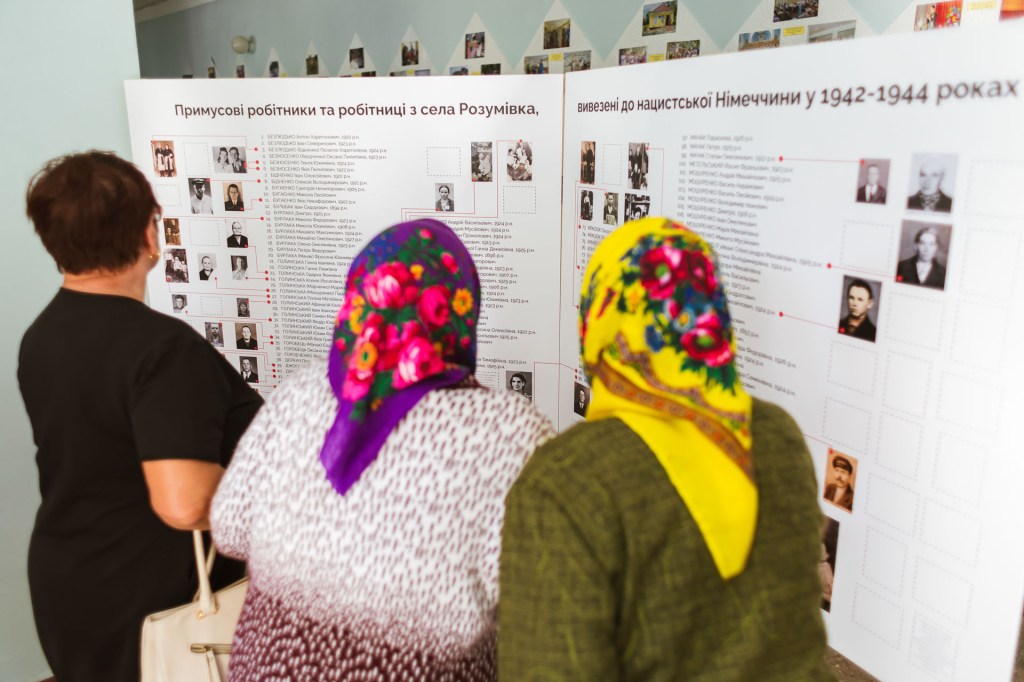
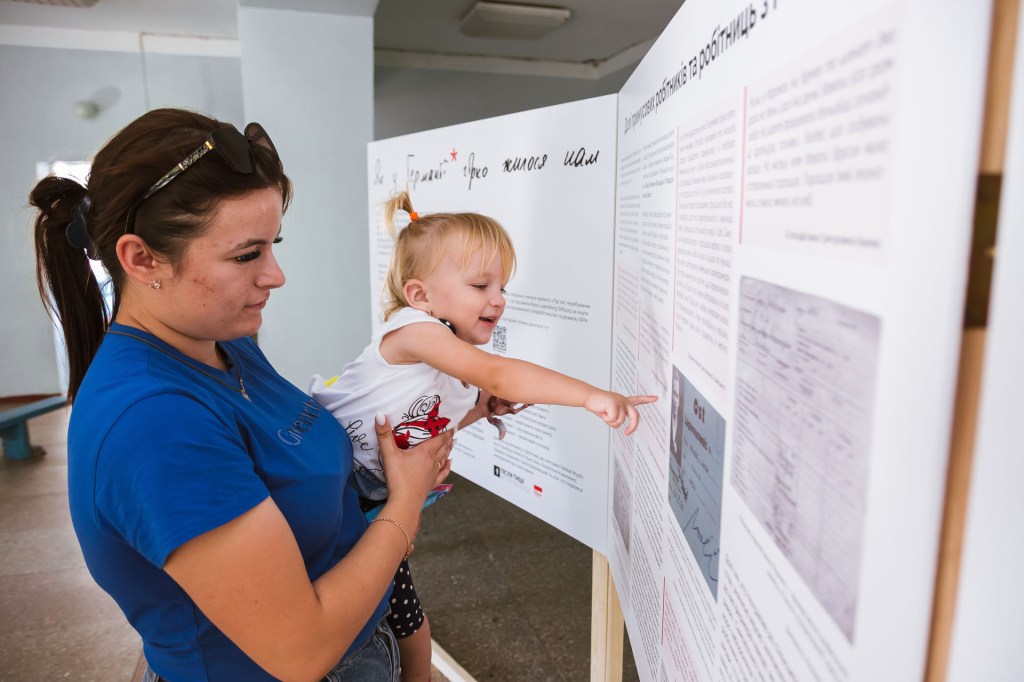
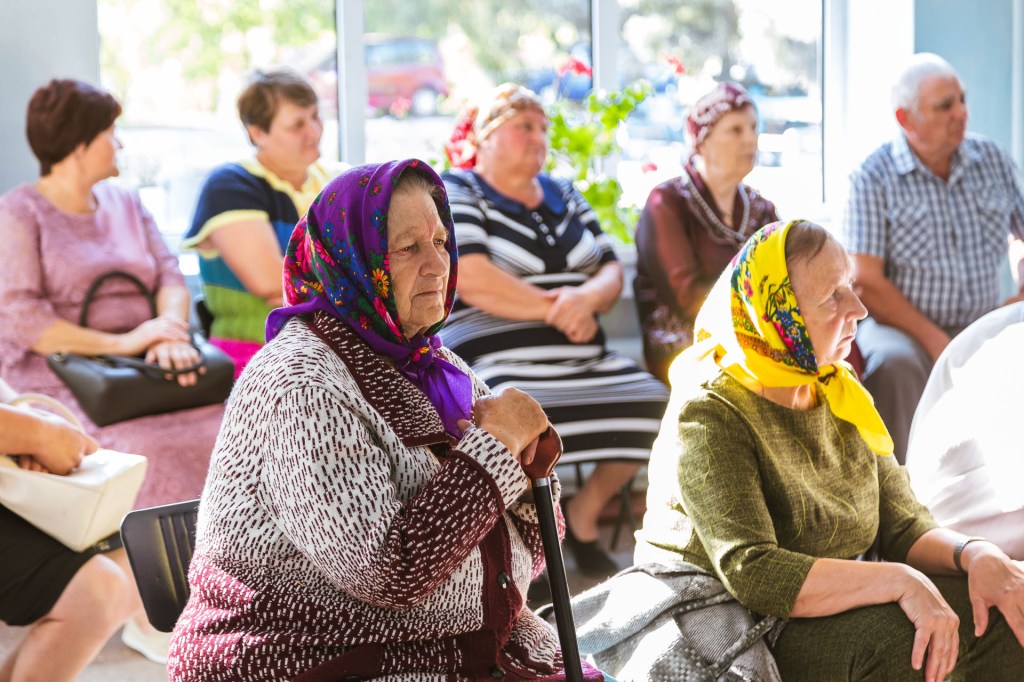
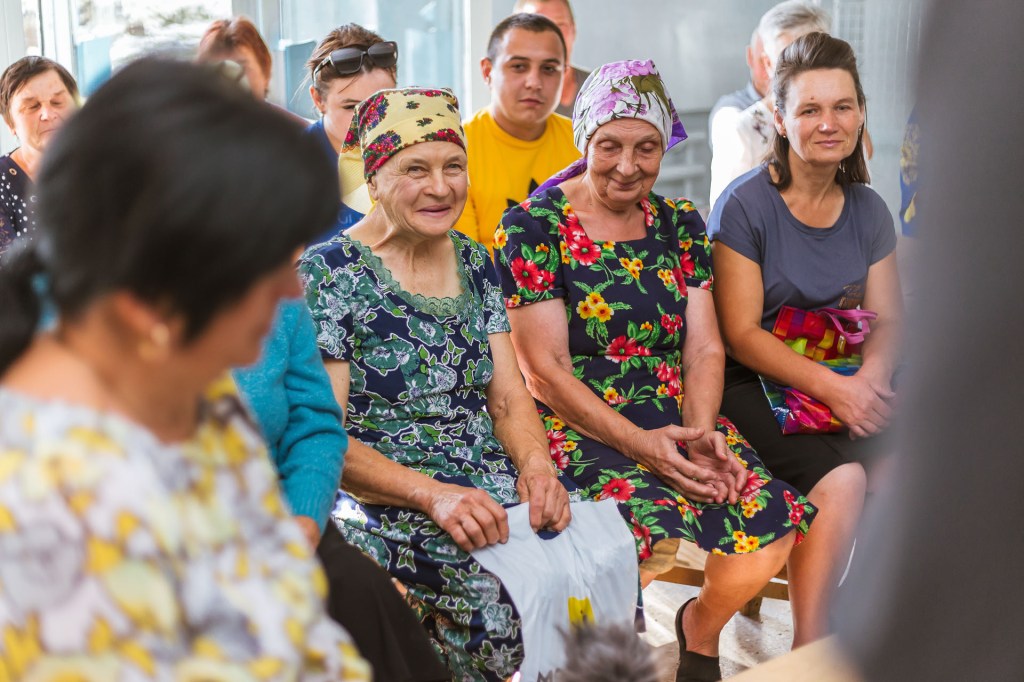
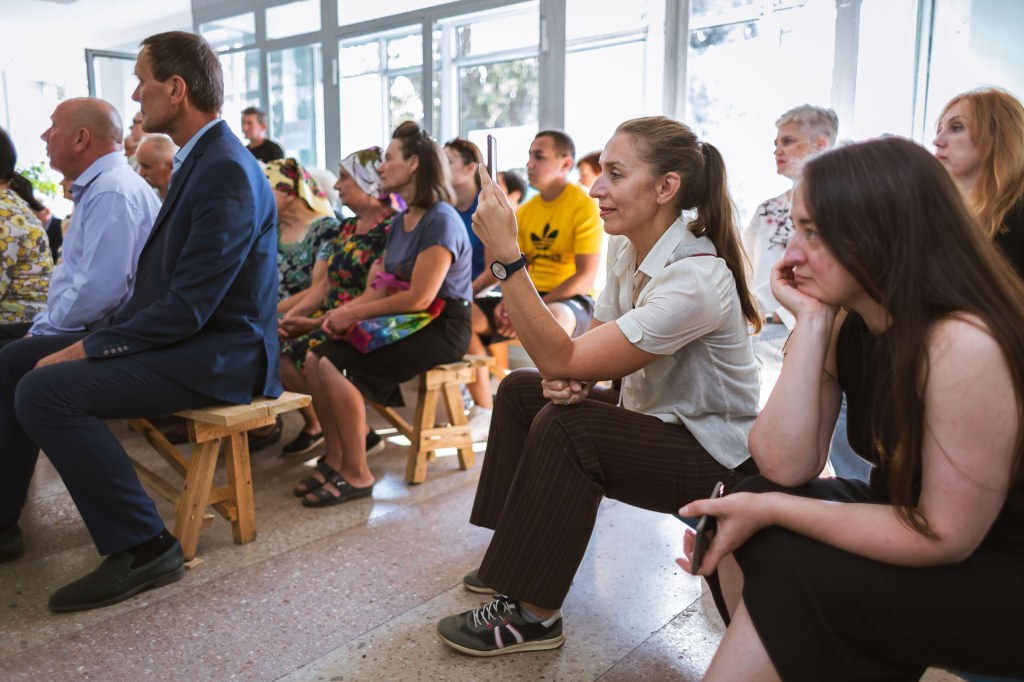

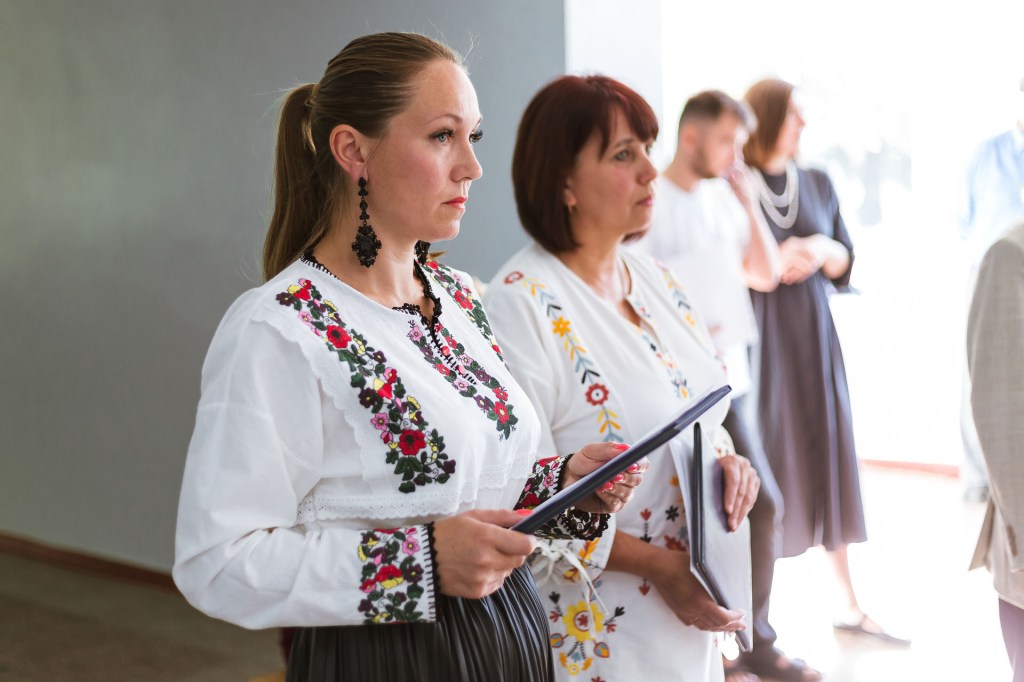
Photos: Oleksii Kaprytsia, NGO “After Silence”
2 project —
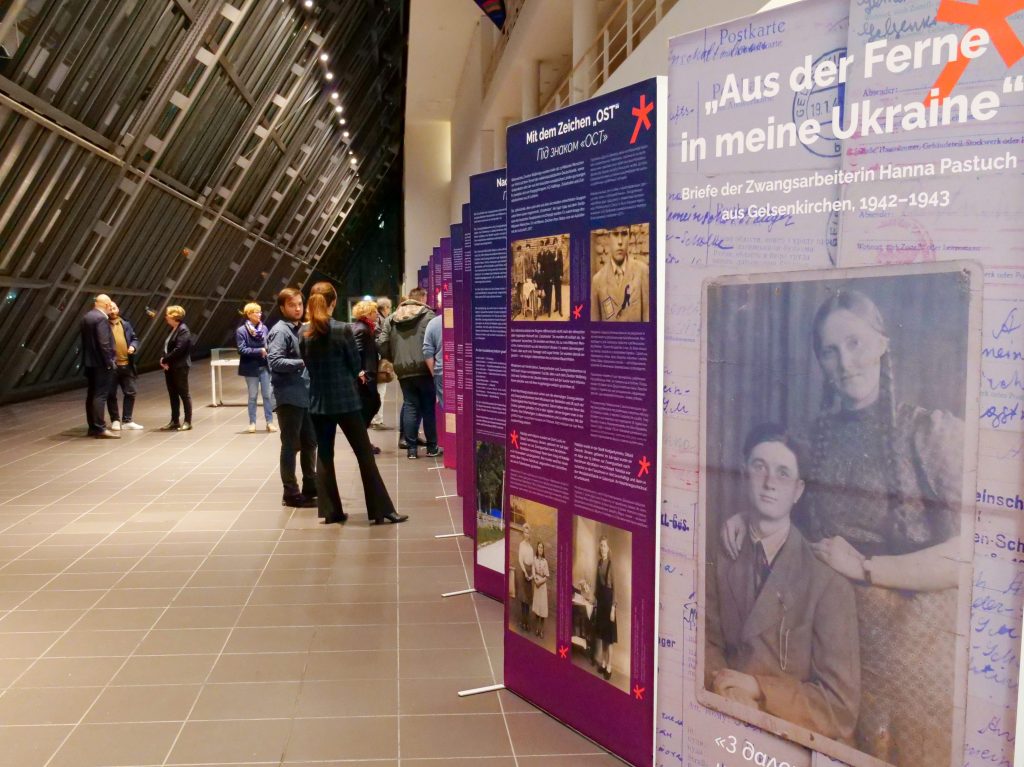
Exhibition “‘From a Distant Land to Native Ukraine’. Letters from Gelsenkirchen of Forced Laborer Hanna Pastuch, 1942–1943”
The exhibition centers around the story of Hanna Pastukh (1922–1983), a forced laborer from the village of Tsykova in the Khmelnytskyi region. From 1942 to 1945, she endured forced labor in the city of Gelsenkirchen in North Rhine-Westphalia. In October 2022, her letters became available for purchase at an online auction, enabling further research in Ukrainian and German archives, as well as during a visit to Tsykova. The title of the exhibition features a quote from one of Anna’s letters addressed to her mother.
The exhibition’s preview presentation took place on January 20, 2024, at the FC Schalke 04 Museum, followed by its official opening on January 22 at the Gelsenkirchen Scientific Park. It was created in collaboration with the Gelsenkirchen Institute for Urban Studies and the support of the Rosa Luxemburg Stiftung, with funding from the German Ministry for Economic Cooperation and Development.
Publications
“Aus der Ferne in meine Ukraine”. ISG-Ausstellung: Briefe der Zwangsarbeiterin Hanna Pastuch aus Gelsenkirchen 1942-1943—Wissenschaftspark Gelsenkirchen
Beim Heimspiel gegen den HSV: Kostenlose Ausstellung im Schalke Museum—FC Gelsenkirchen-Schalke 04 e.V.
Neue Ausstellung beleuchtet Leben einer Zwangsarbeiterin—Stadt Gelsenkirchen
More photos
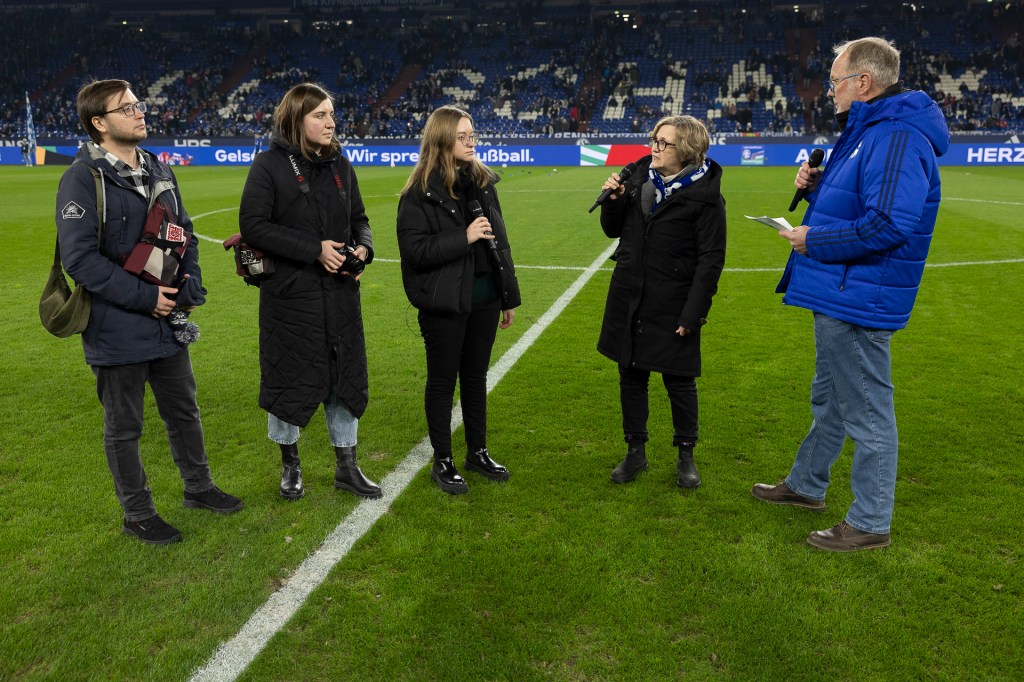
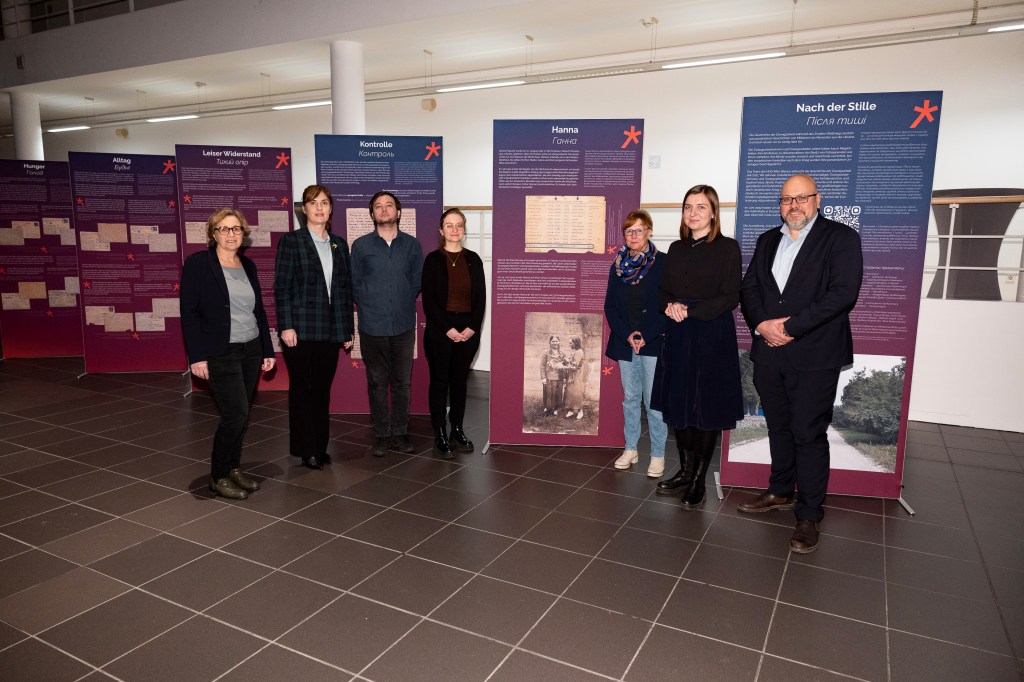
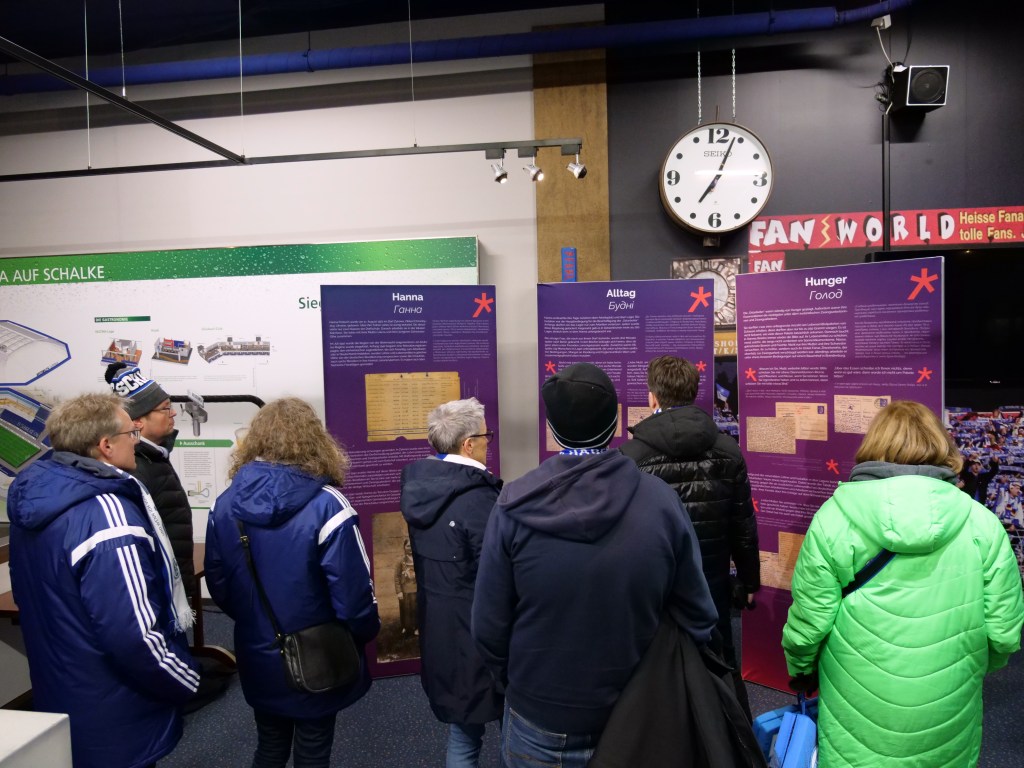
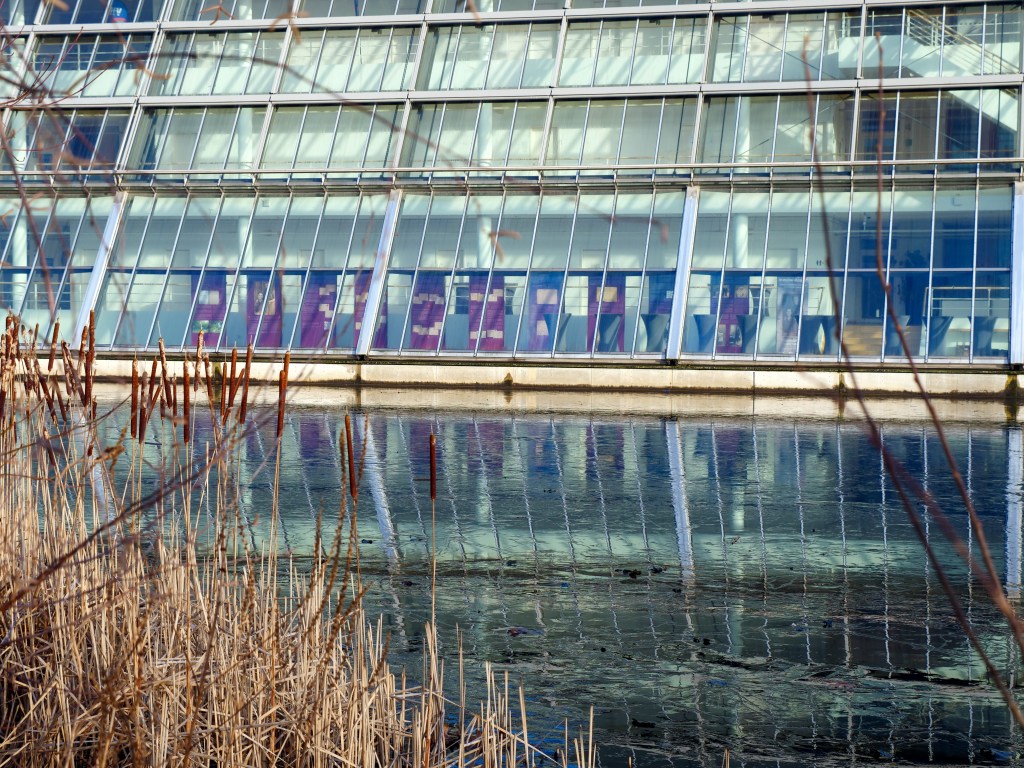
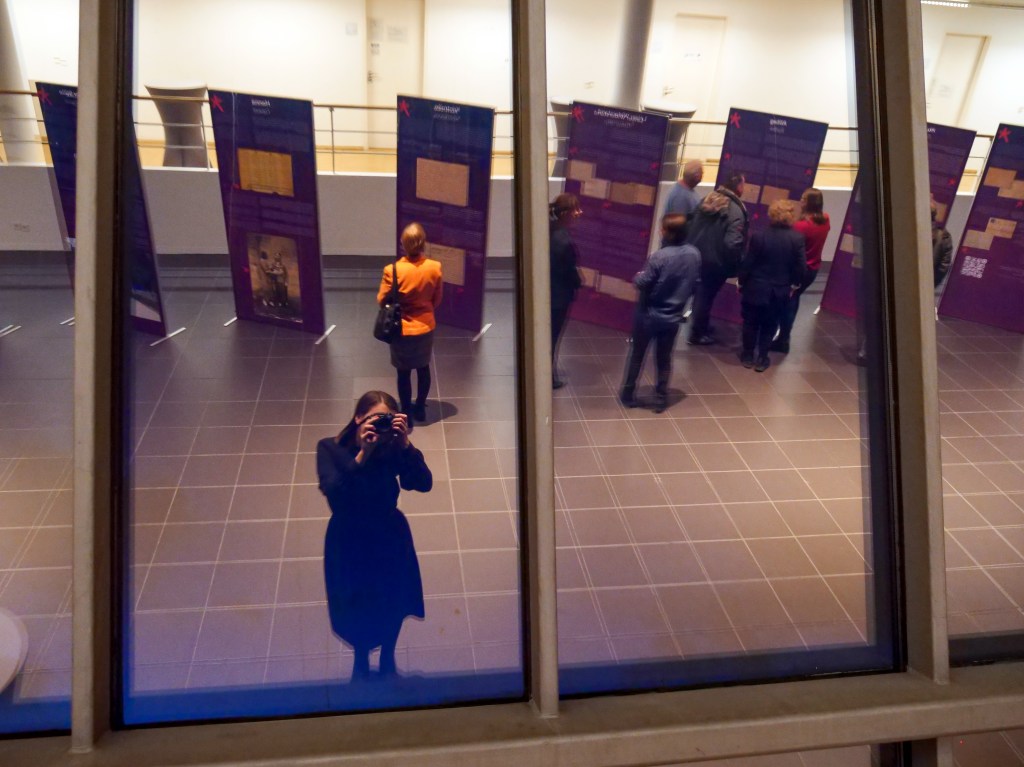
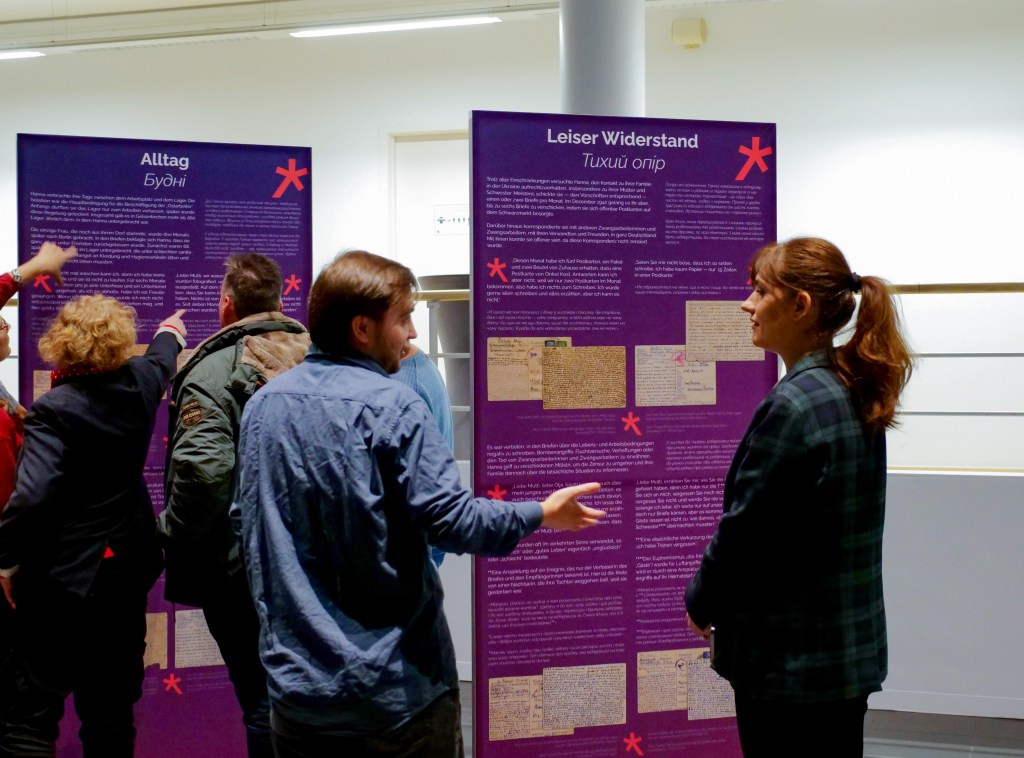
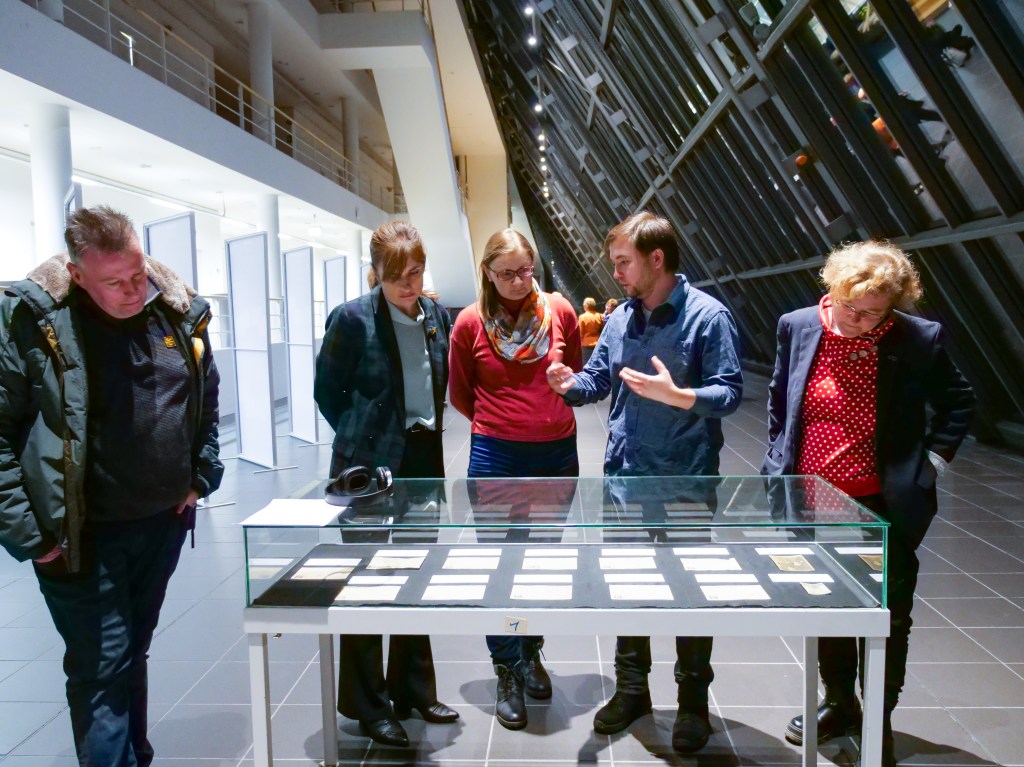
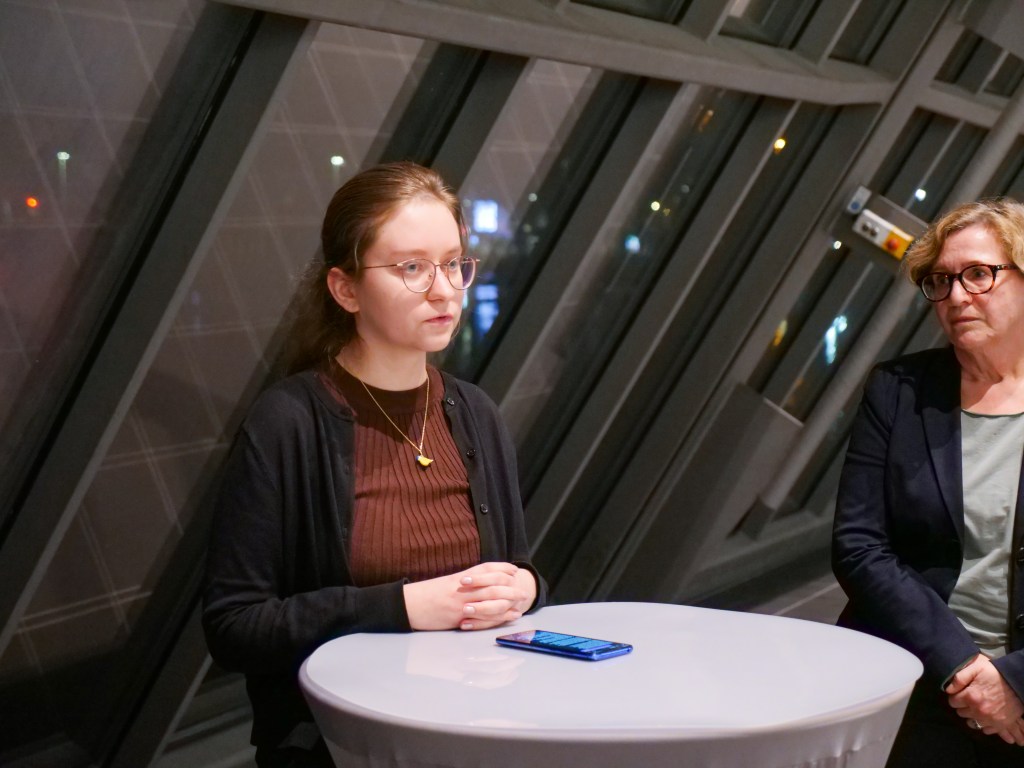
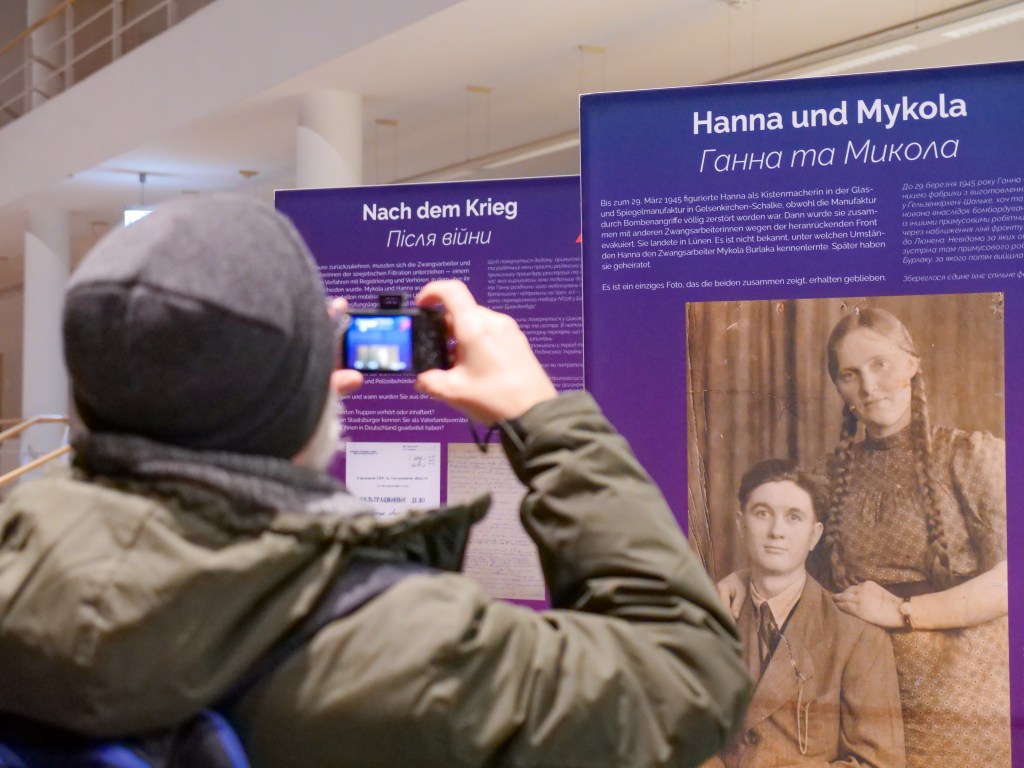
Photos: Anna Yatsenko, NGO “After Silence”

3 project —
Exhibition “‘Where our Blooming Years Passed’: Ukrainian Forced Laborers in Furtwangen, 1942–1945”
The exhibition centers around the story of forced laborer Hanna Kovalenko (1927–2003), originally from the village of Puhalshchyna in the Poltava Region, and her friends who worked at various enterprises in the city of Furtwangen, Baden-Württemberg, from 1942 to 1945. In April 2022, Anna’s photo archive became available for purchase at an online auction, enabling the identification of many individuals depicted in the photos and the reconstruction of their biographies using documents from Ukrainian and German archives. The title of the exhibition features a quote from the inscription found on the back of one of the photos.
The opening of the exhibition took place on January 25, 2024, at the German Clock Museum in Furtwangen. It was created in collaboration with the museum team and the support of the Rosa Luxemburg Stiftung, with funding from the German Ministry of Economic Cooperation and Development.
Publications
Wo die besten Jahre vergangen sind—deutsches uhrenmuseum blog
Zwangsarbeiter in Furtwangen. Über ihre Geschichten wurde viel zu lange geschwiegen—Schwarzwälder Bote
Neue Ausstellung in Furtwangen zeigt Schicksale ukrainischer Zwangsarbeiterinnen im 2. Weltkrieg—Dominik Bloedner, Badische Zeitung
More photos
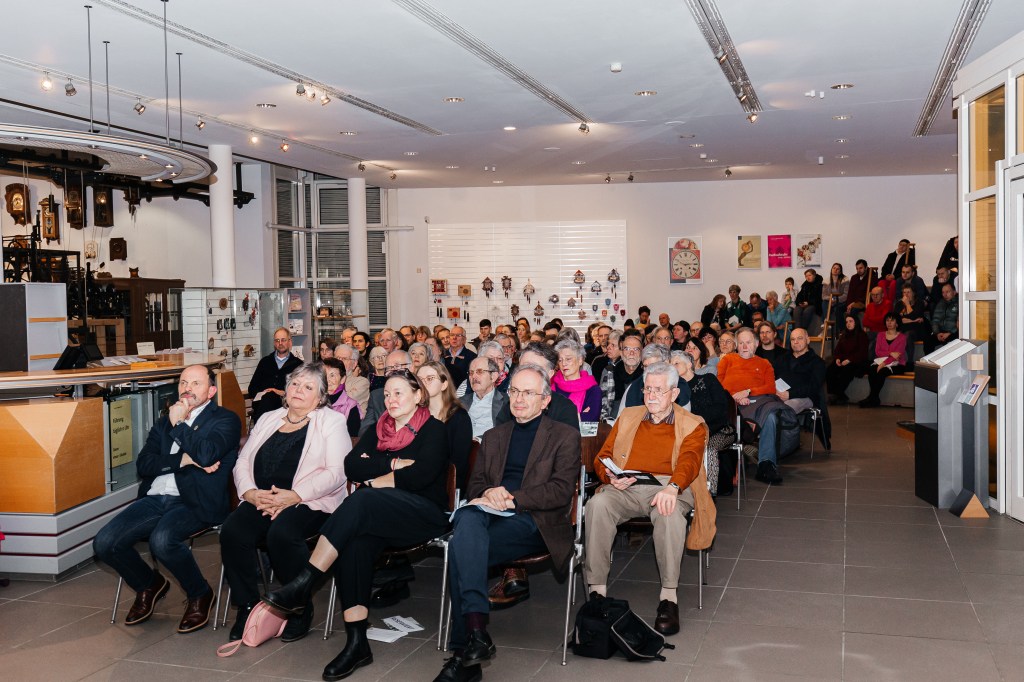
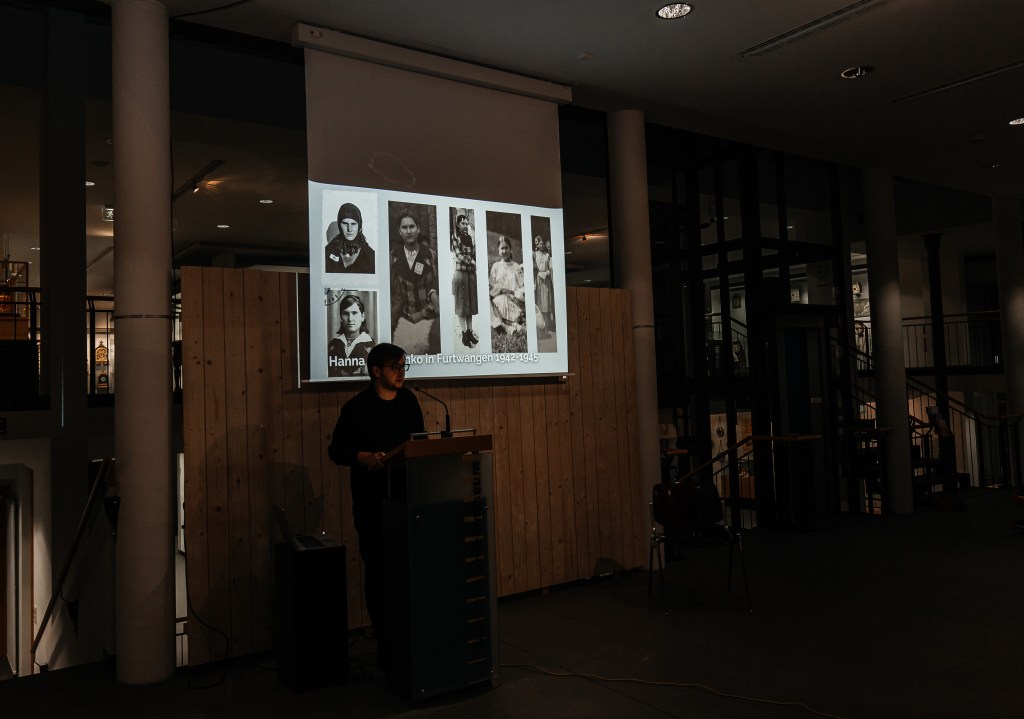
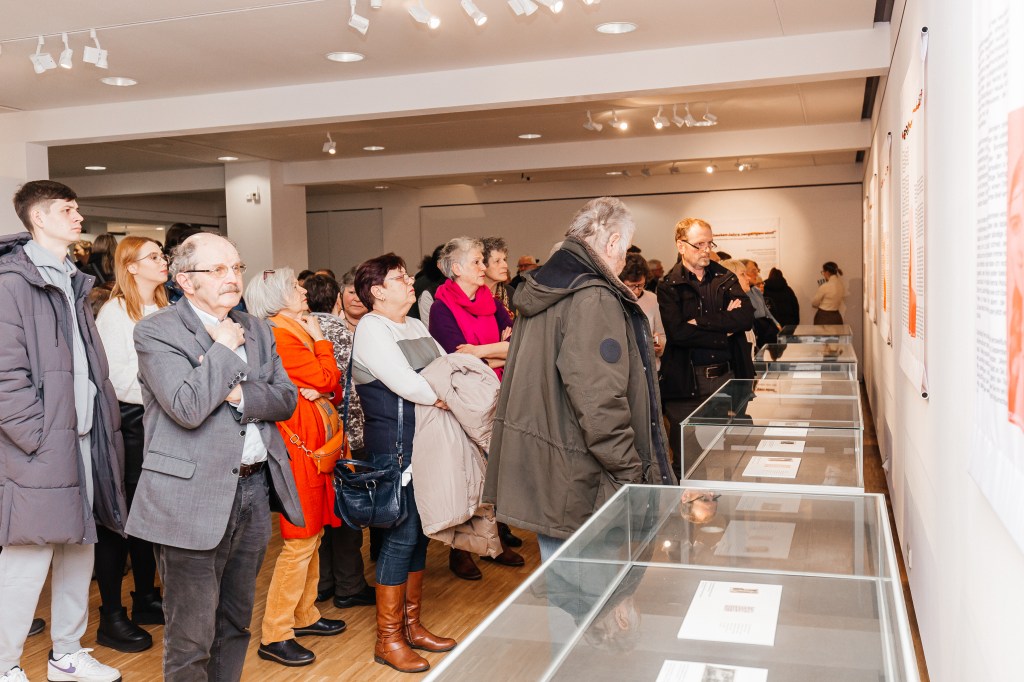
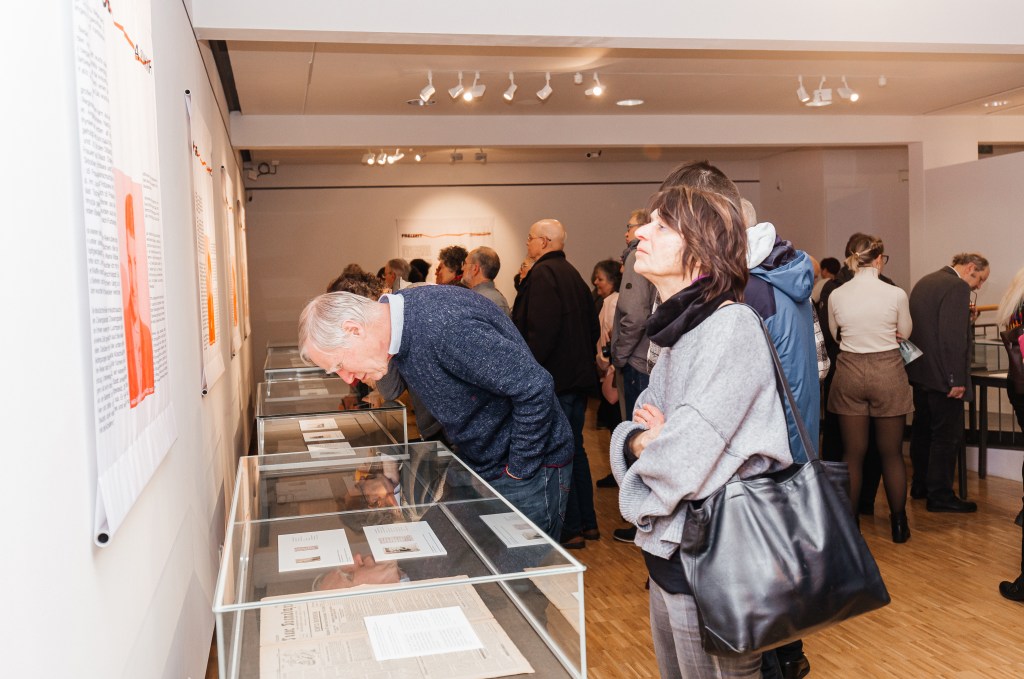
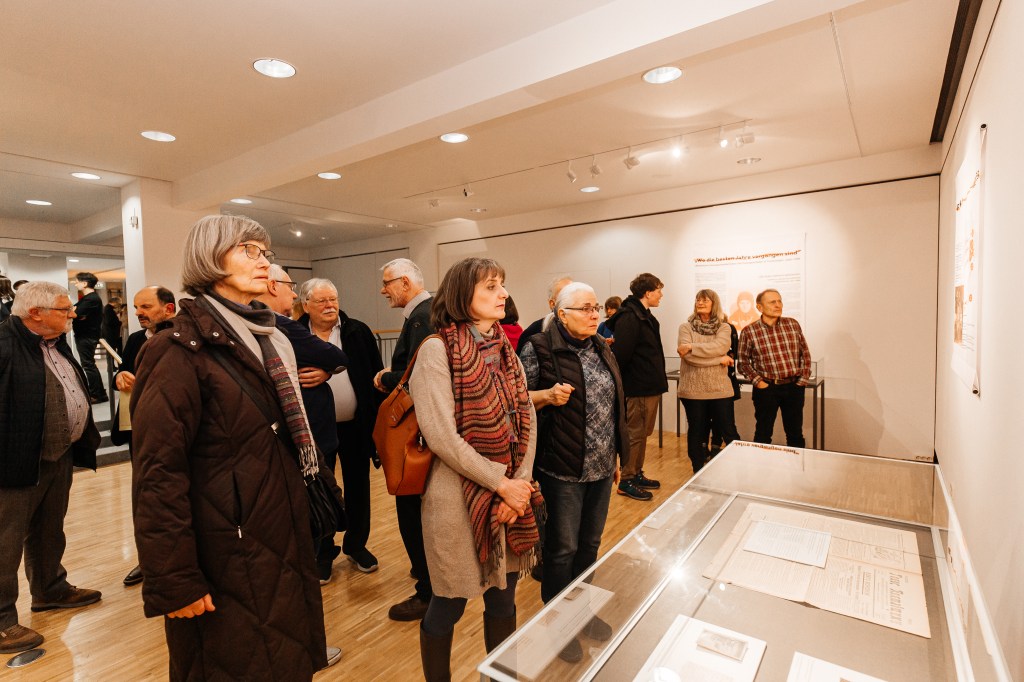
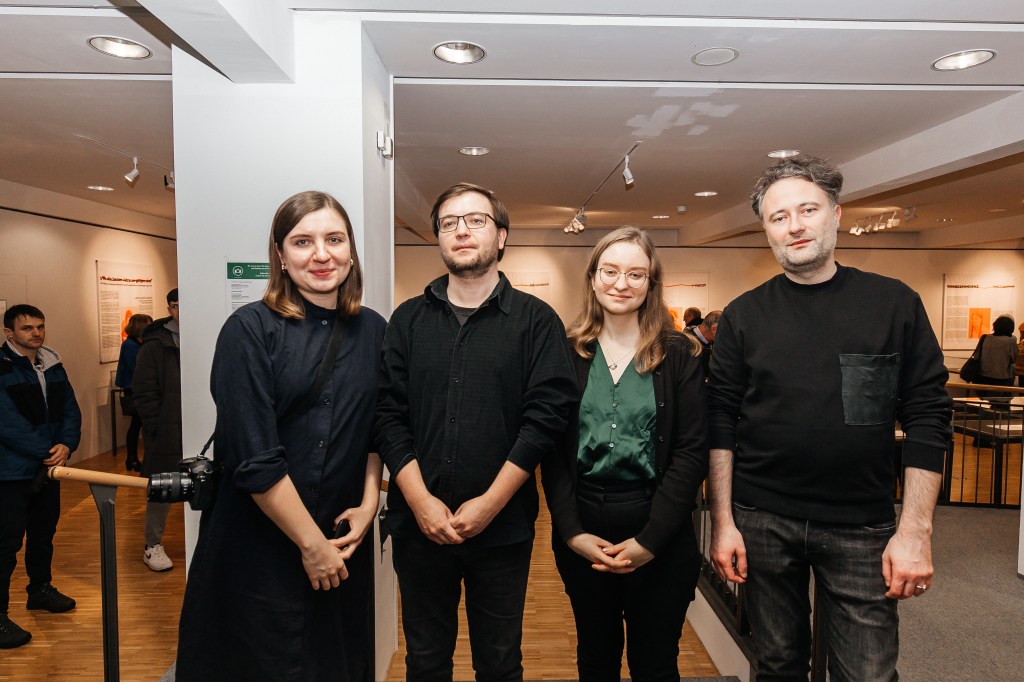
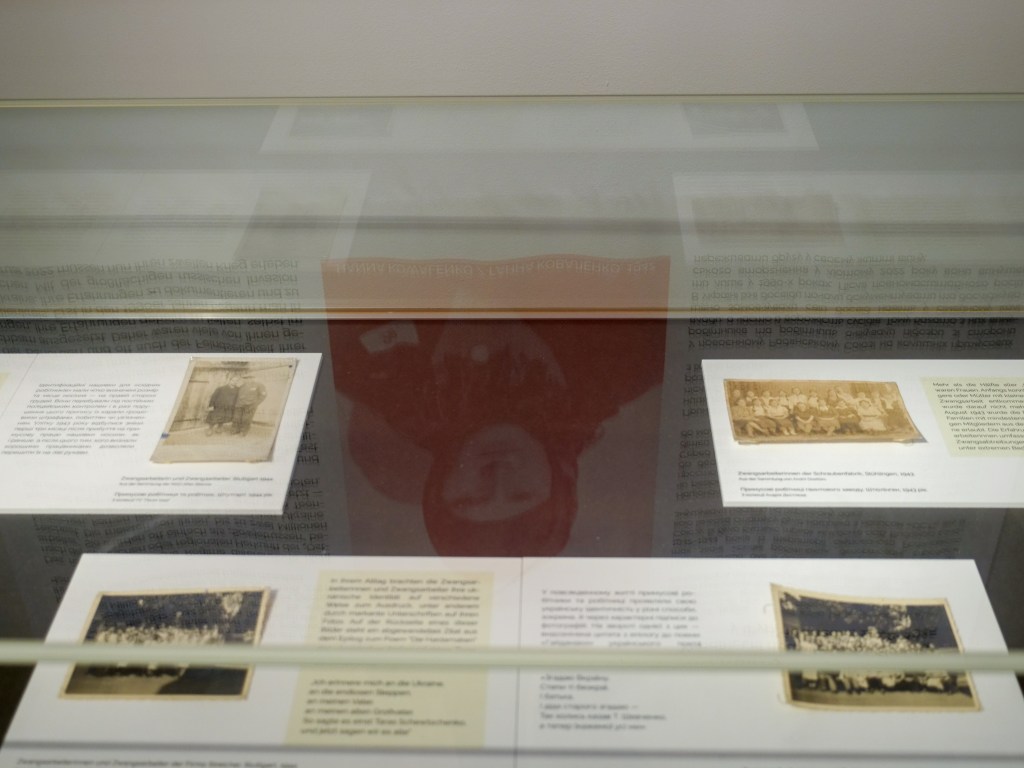
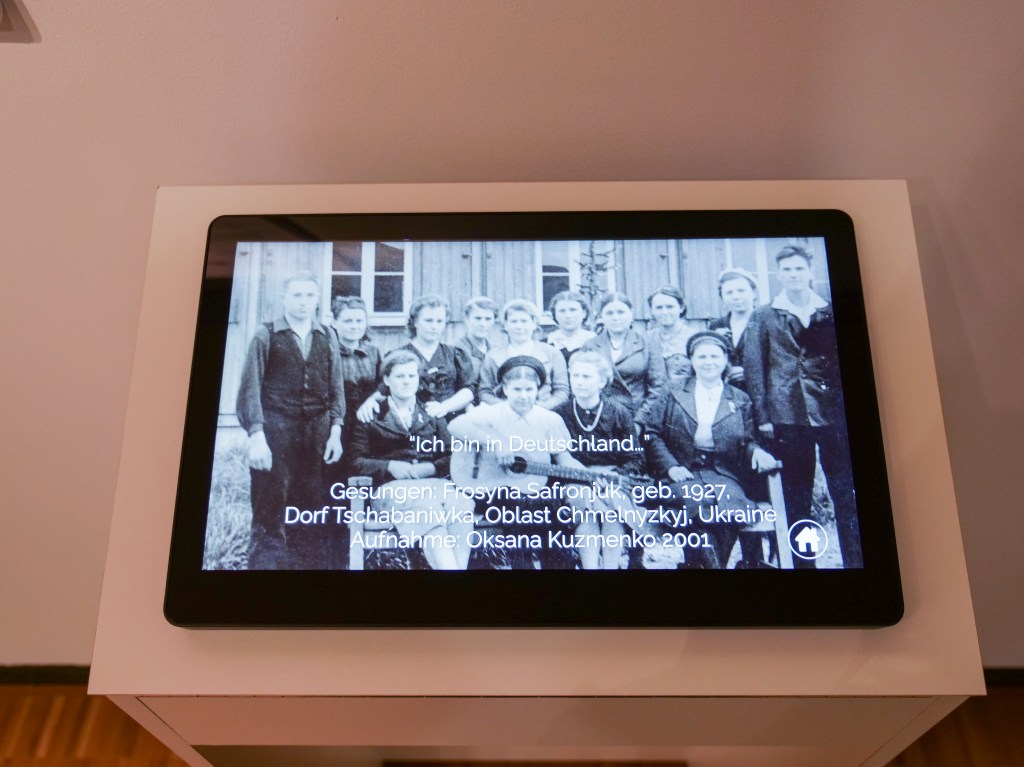
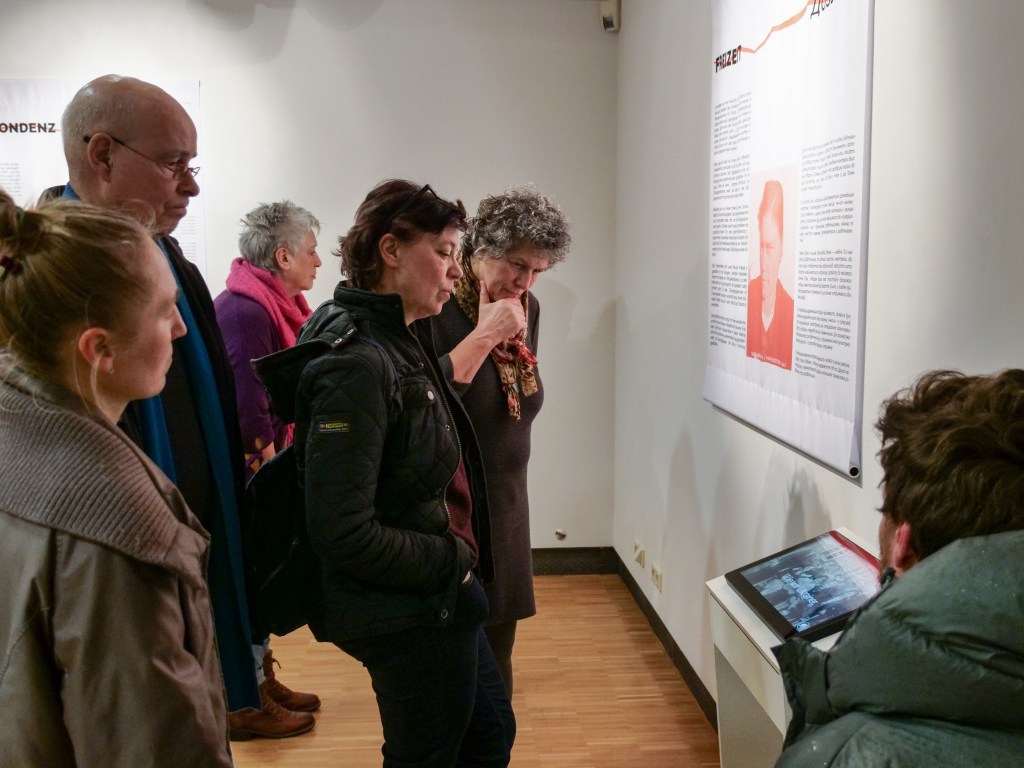
Photos: Anna Yatsenko, Kristina Fotografin, NGO “After Silence”
4 project —
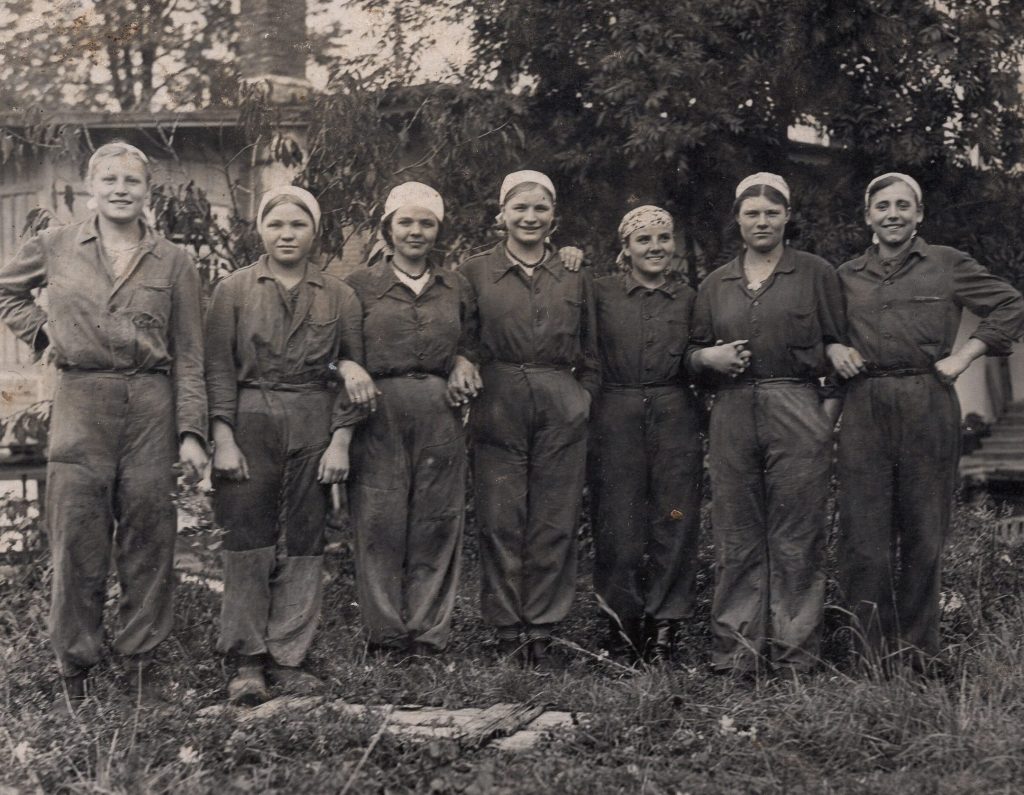
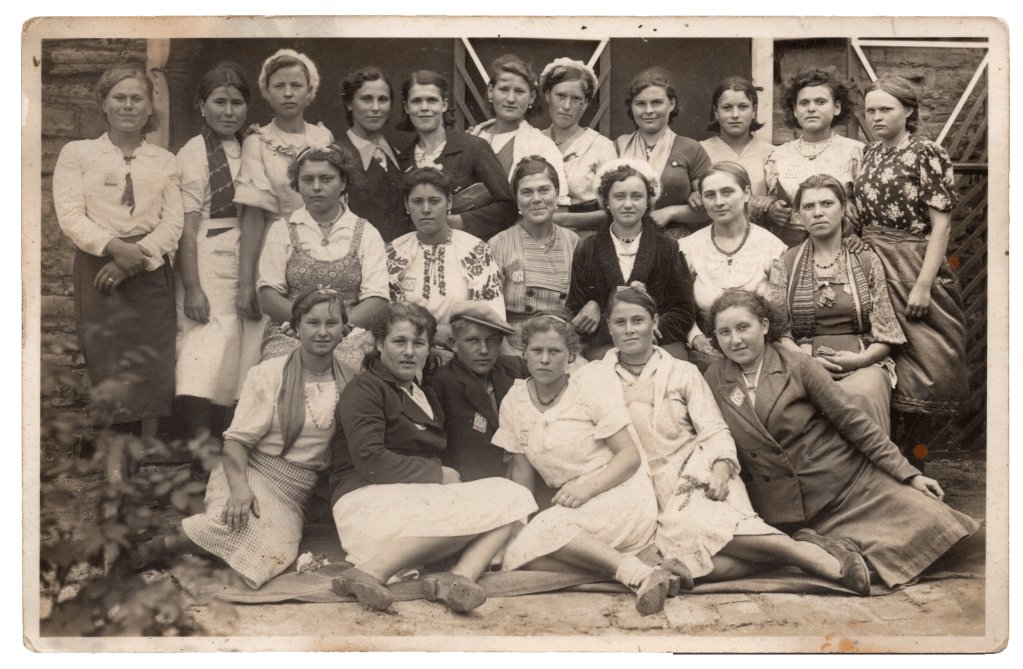
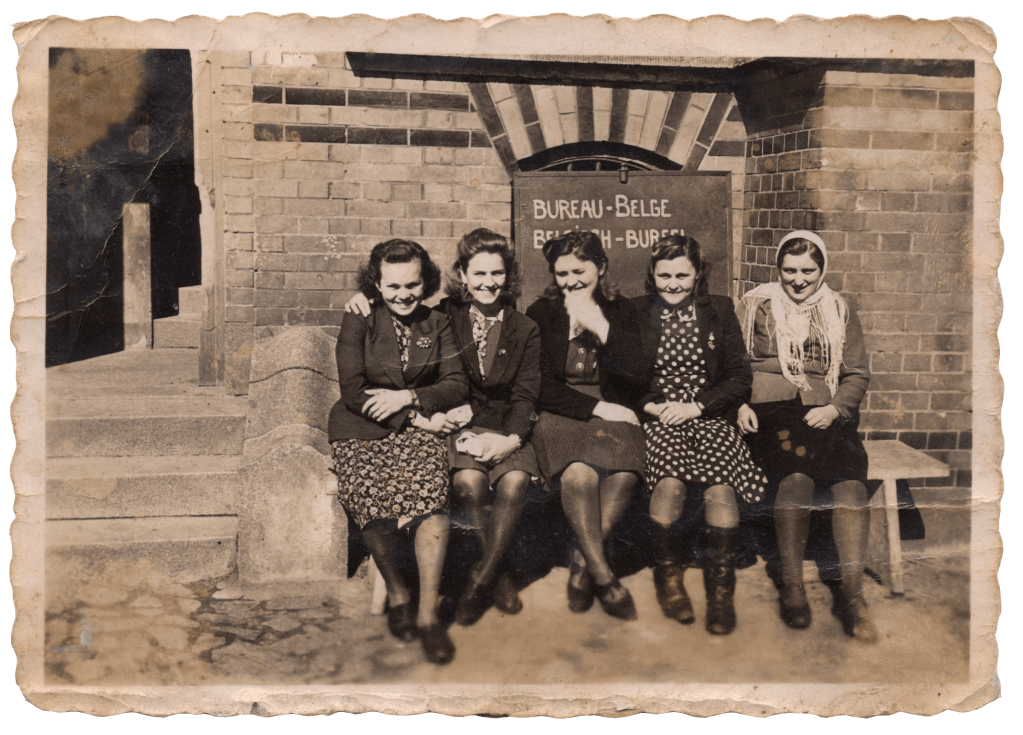
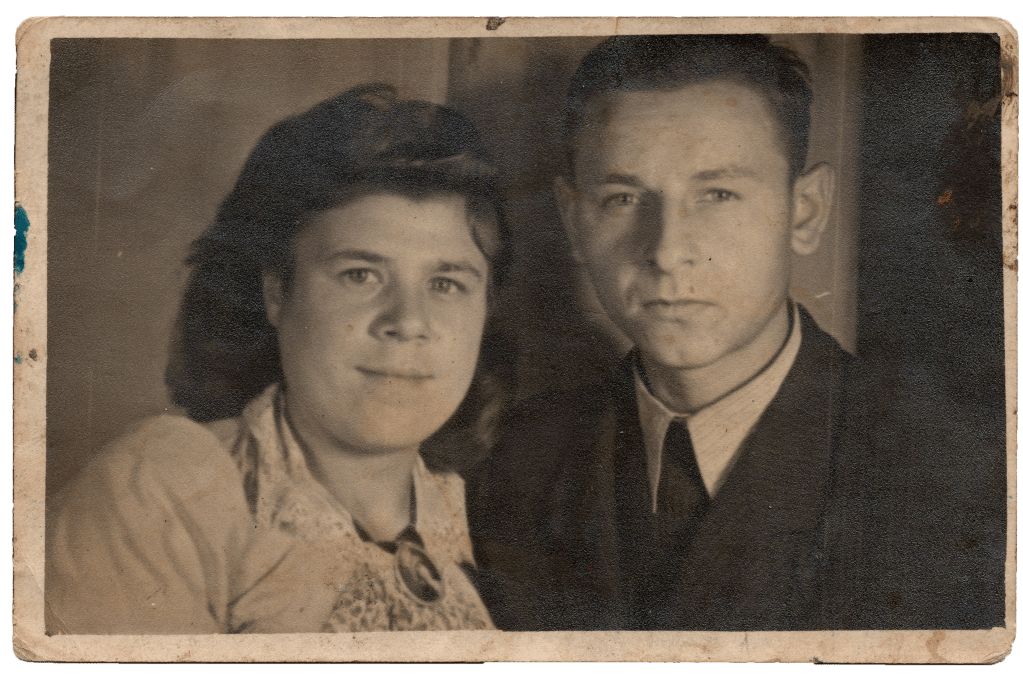
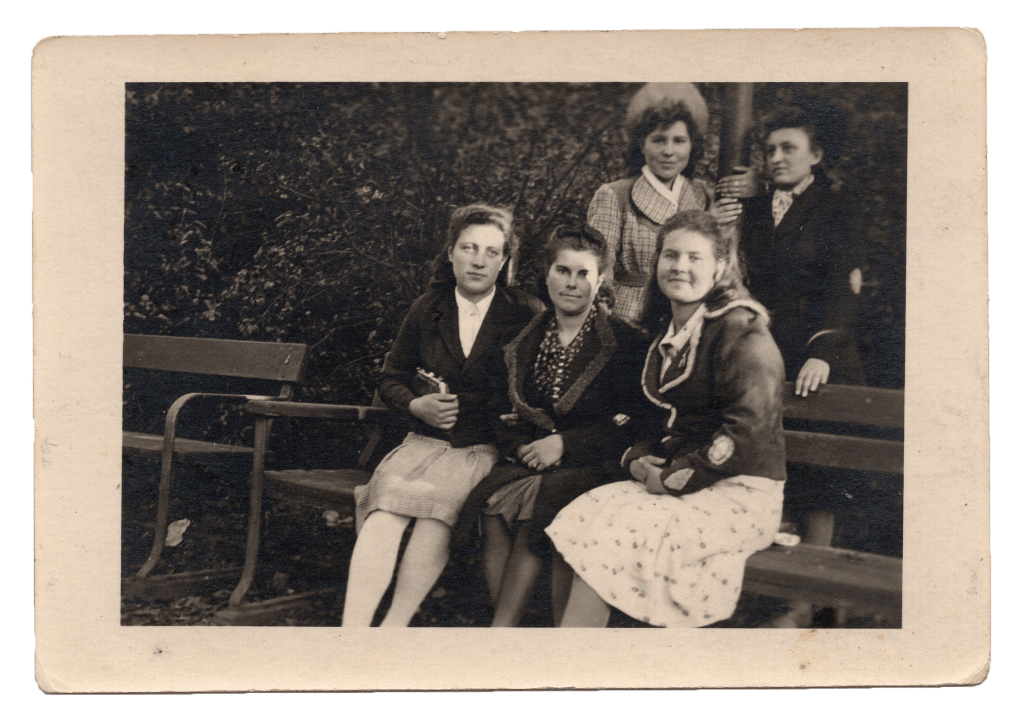
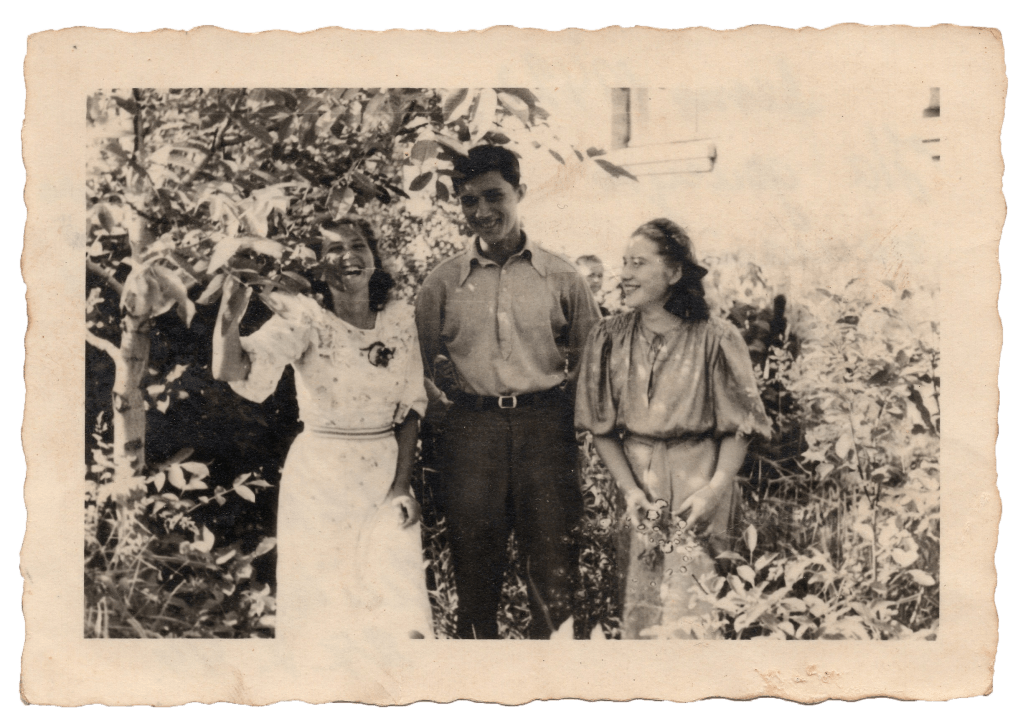
Online-archive “While staying in Germany”
▲ We continued to research and present the photographic legacy of Ukrainian forced laborers in Nazi Germany. Throughout the year, the online archive was enriched with 109 photos acquired from online auctions. We deciphered the inscriptions on their backs, determined when and where they were taken, and in some cases identified the individuals depicted in the photos. As a result of research in Ukrainian and German archives, we were able to reconstruct their short biographies.
The project was implemented with the support of the Rosa Luxemburg Stiftung with funding from the German Ministry of Economic Cooperation and Development.
* The project name reflects the original inscription “During the stay in Germany”, which was most often used on the backs of the photos by forced laborers in Nazi Germany.
Publications
Ukrainians in Forced Labor in Nazi Germany: Recruitment, Forced Labor, and Repatriation—Tetiana Pastushenko, Ukraina Moderna
In a Search of Information About Three Ostarbeiters from the Kremenchuk Region, Whose Names Were Found in the Notebook of a Forced Laborer—Aliona Dushenko, the Kremenchuk Telegraph
Help Restore History: Activists Seek For Those Who Recognize the Ostarbeiter From Kramatorsk and other people on the photo—Natalia Zhukova, the Vilne Radio
More photos
5 project—
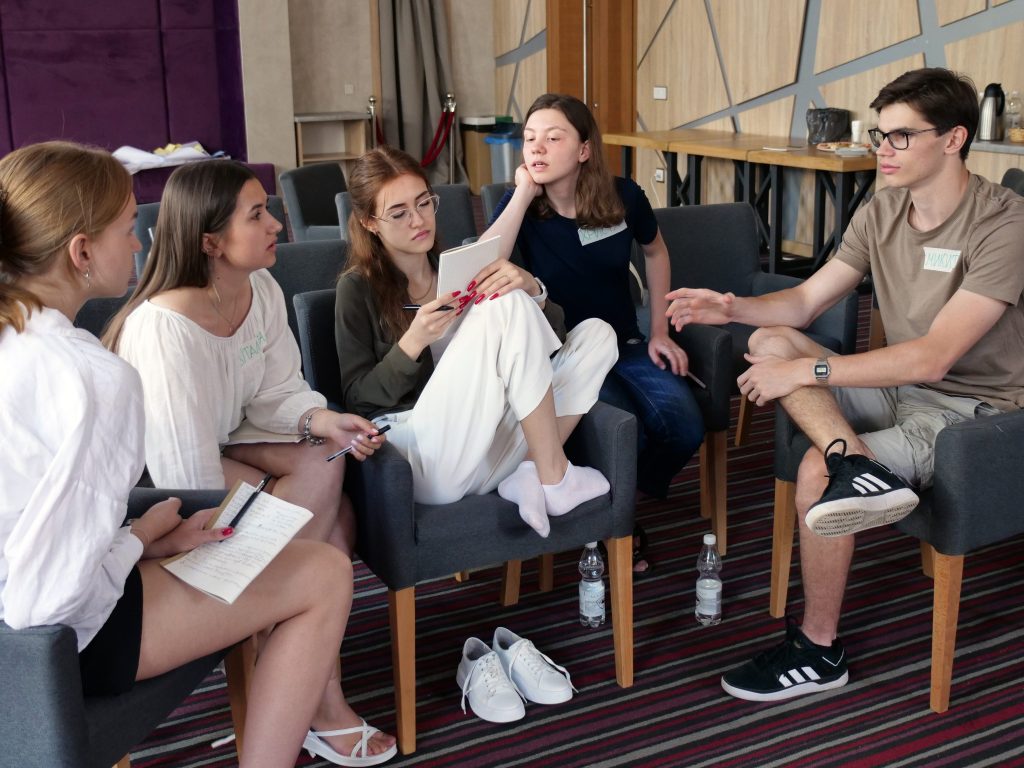
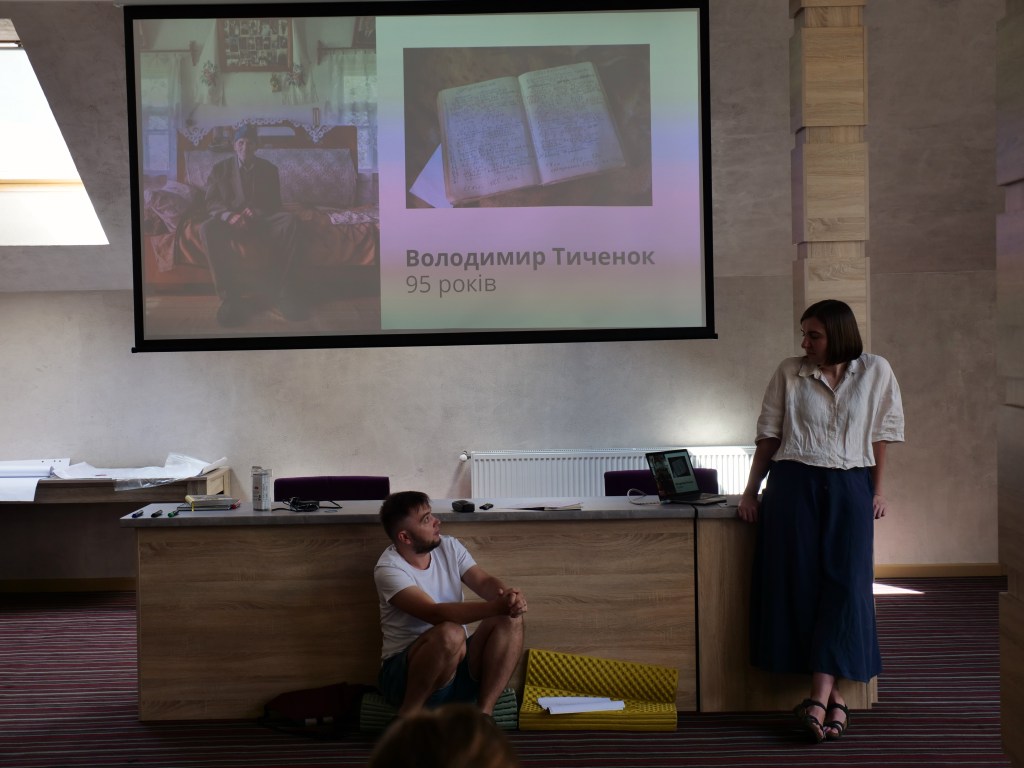
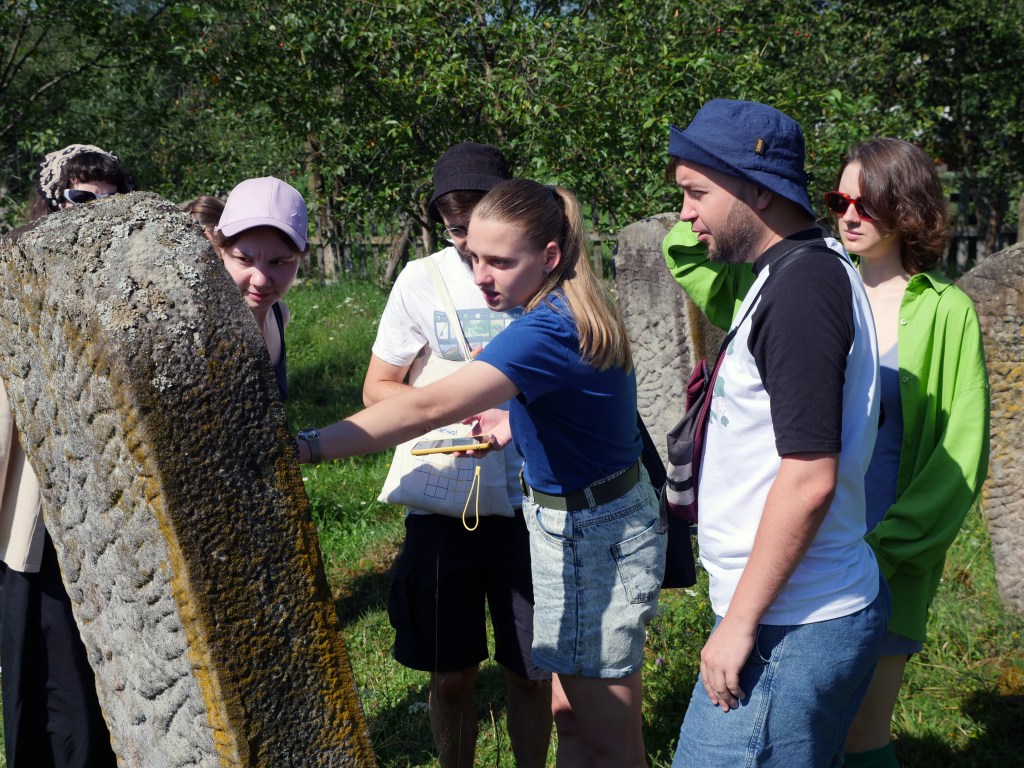
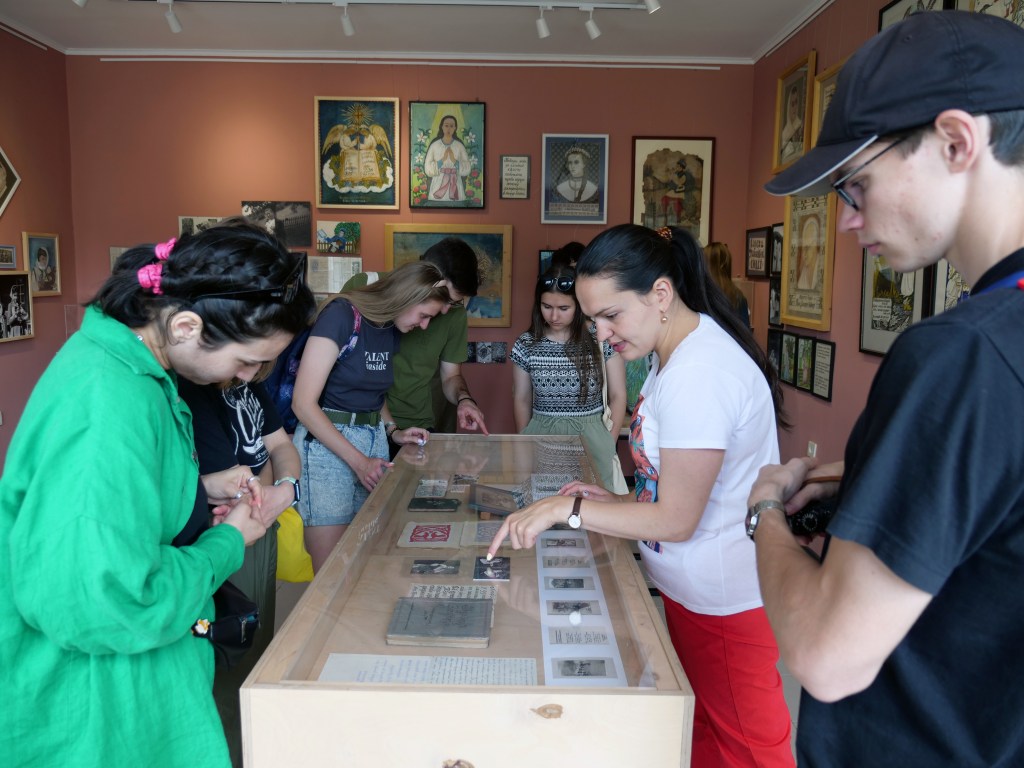
Summer Workshops on Public History “Recall, Reflect, Retell”
▲ This project was implemented in cooperation with the Gestapokeller and Augustashacht Memorials (Germany), with the support of the International Charitable Humanitarian Organization for Children’s Rights, terre des hommes Deutschland e.V.
In the summer of 2023, we gathered 28 young Ukrainians interested in the themes of war and memory to talk about public history, the culture of memory, and the ways of presenting our past and present. The workshop for those who live in Ukraine took place in Verkhovyna in the Carpathians, and for those who live in other European countries — in the Osnabrück area of Lower Saxony.
Subsequently, the participants created their projects in various formats and techniques, which are collected in the virtual exhibition “‘Recall, Reflect, Retell’: life during the War in the Works of Ukrainian Youth”.
More photos
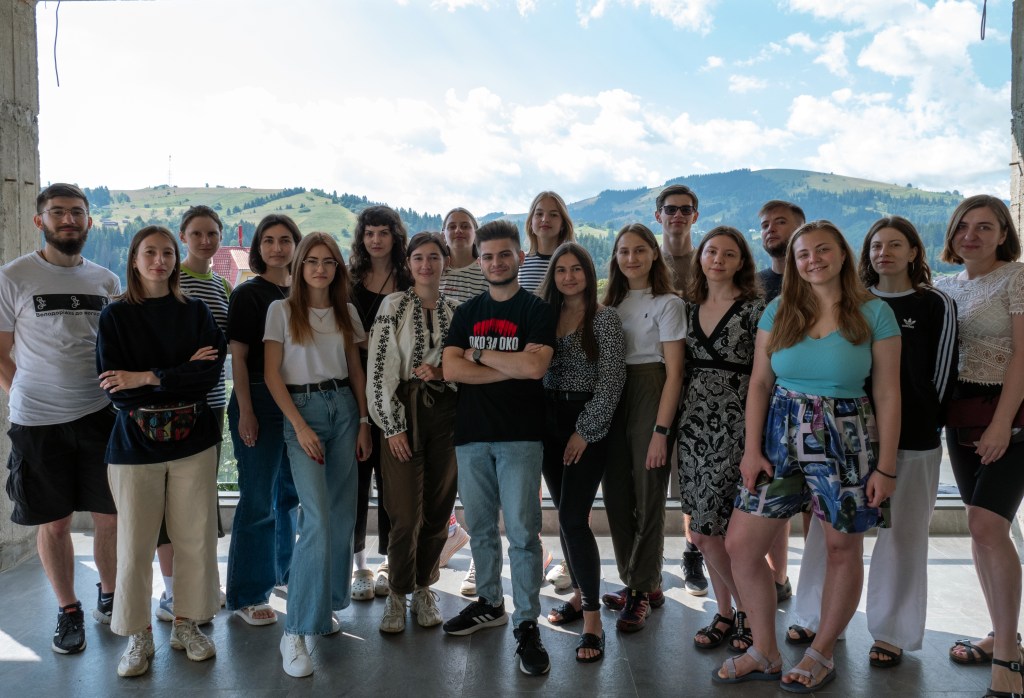
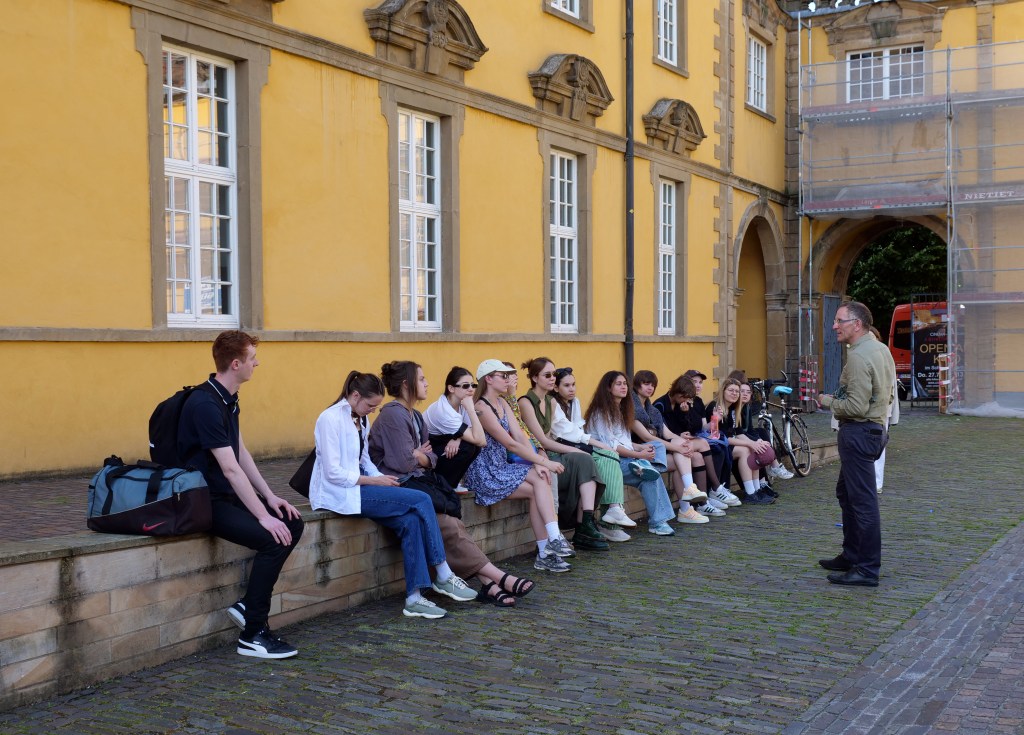
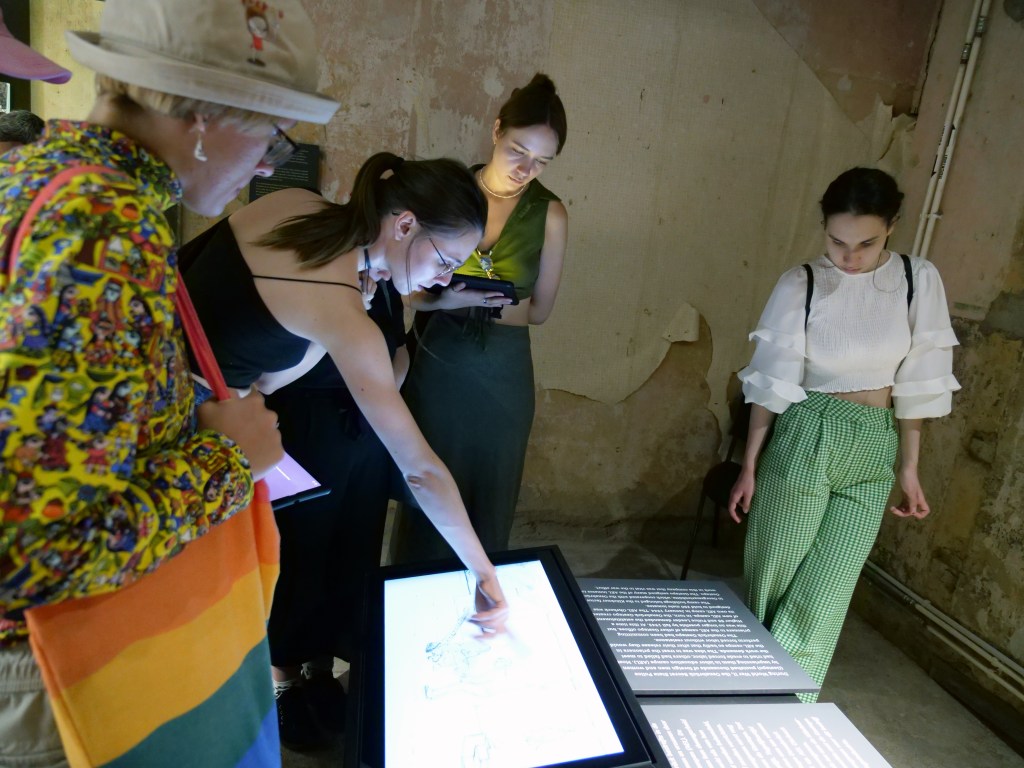
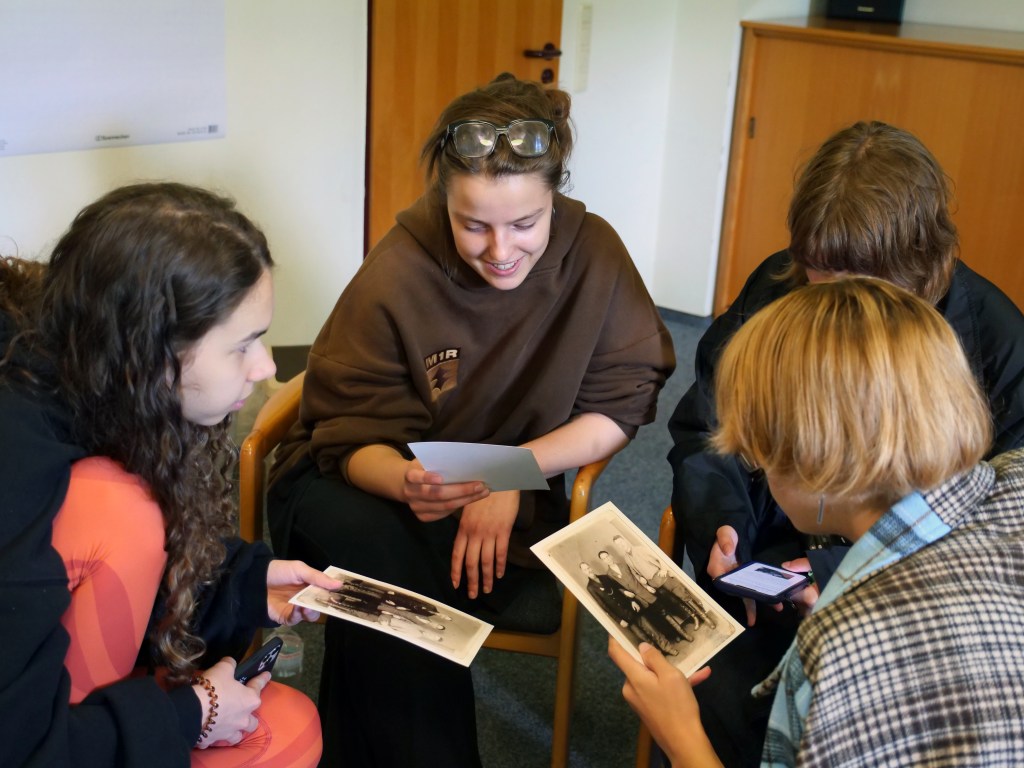
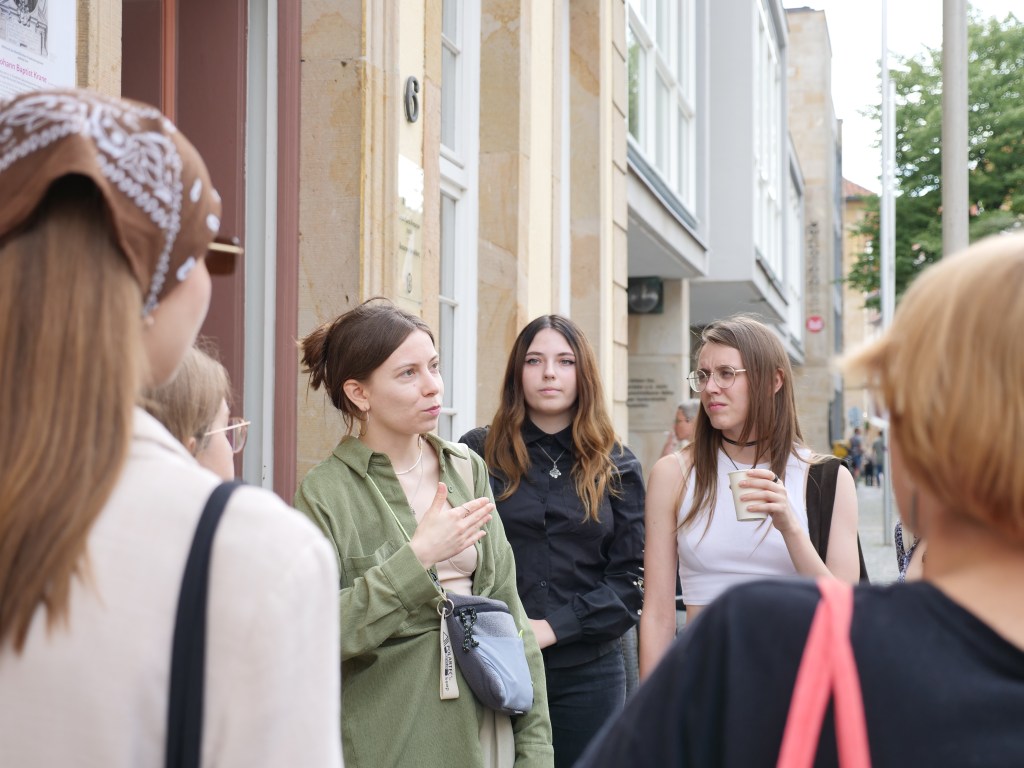
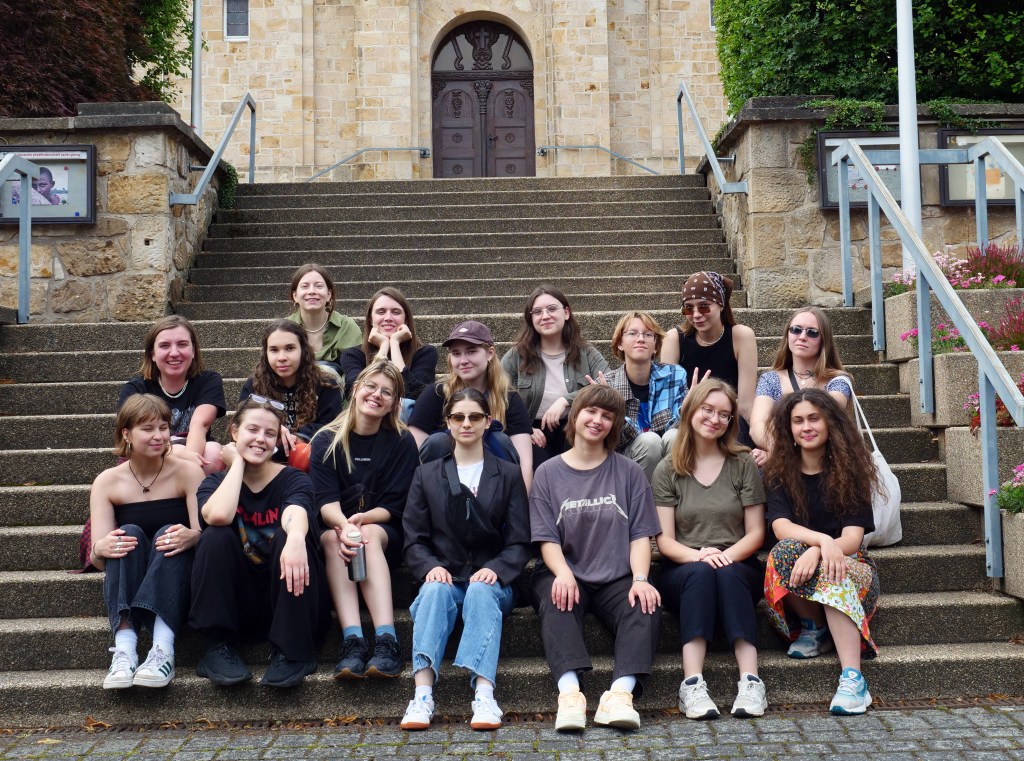
Photos: Alina Dziuba, Liza Sivets, Anna Yatsenko, NGO “After Silence”
6 project —
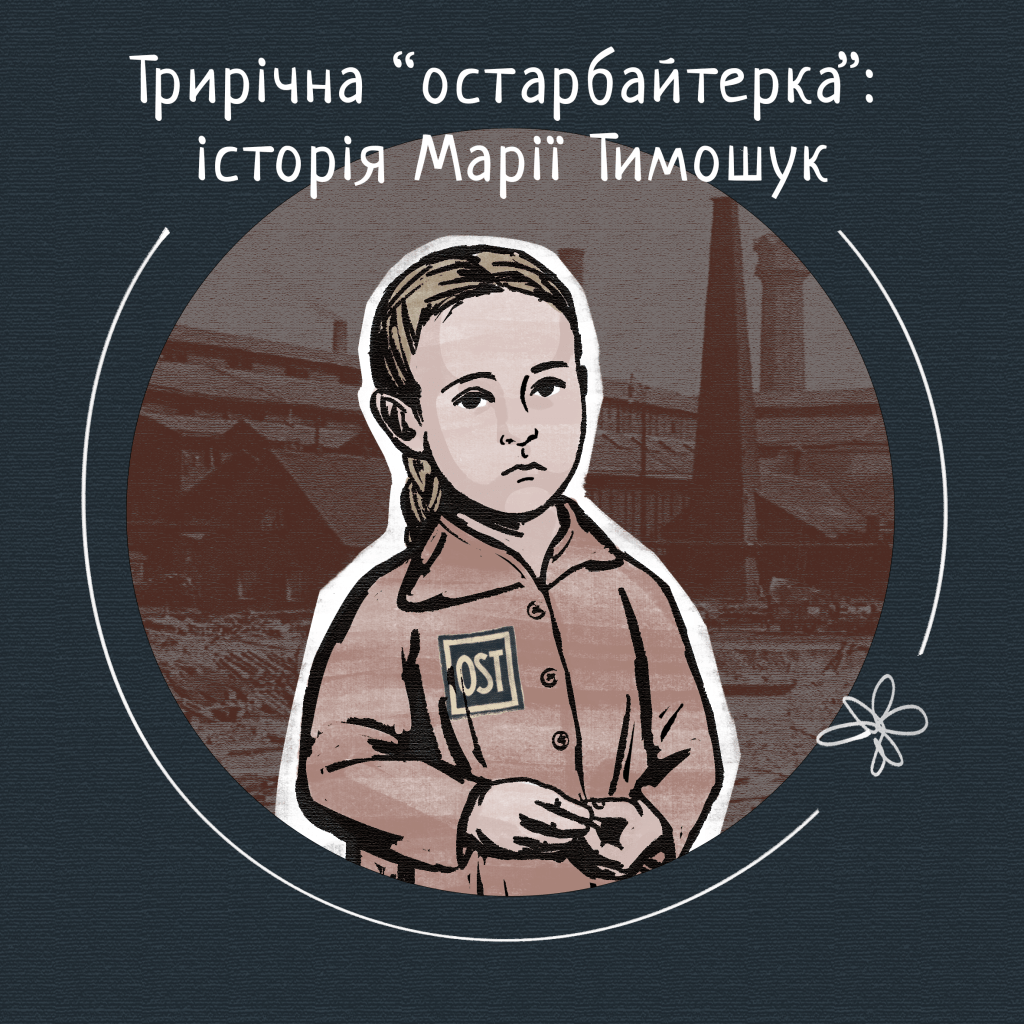
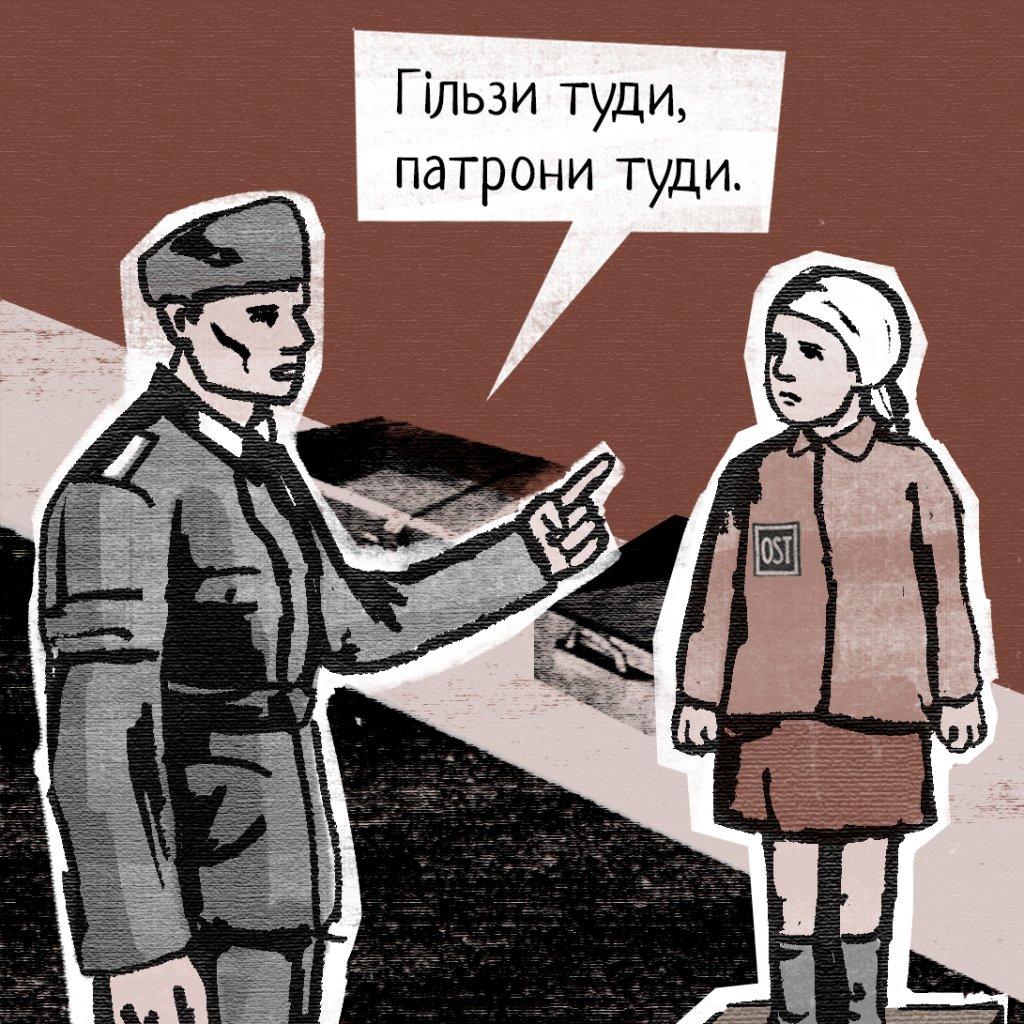
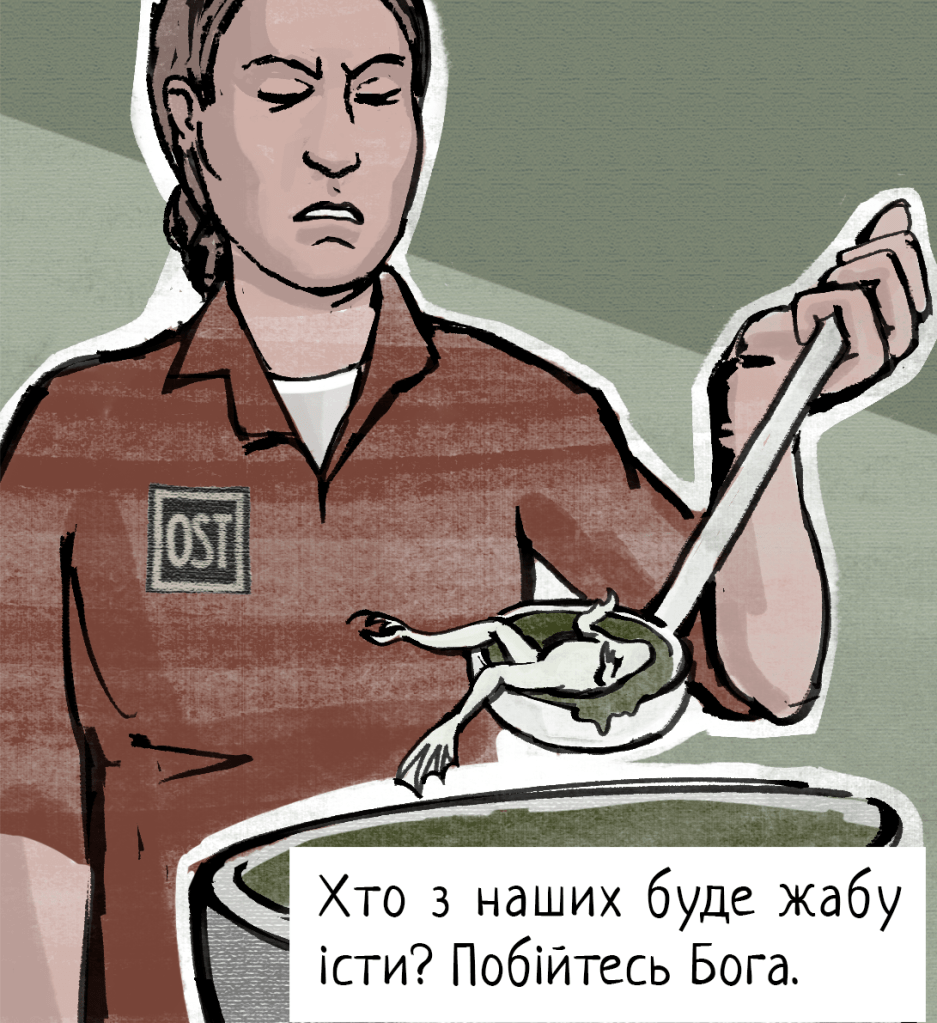
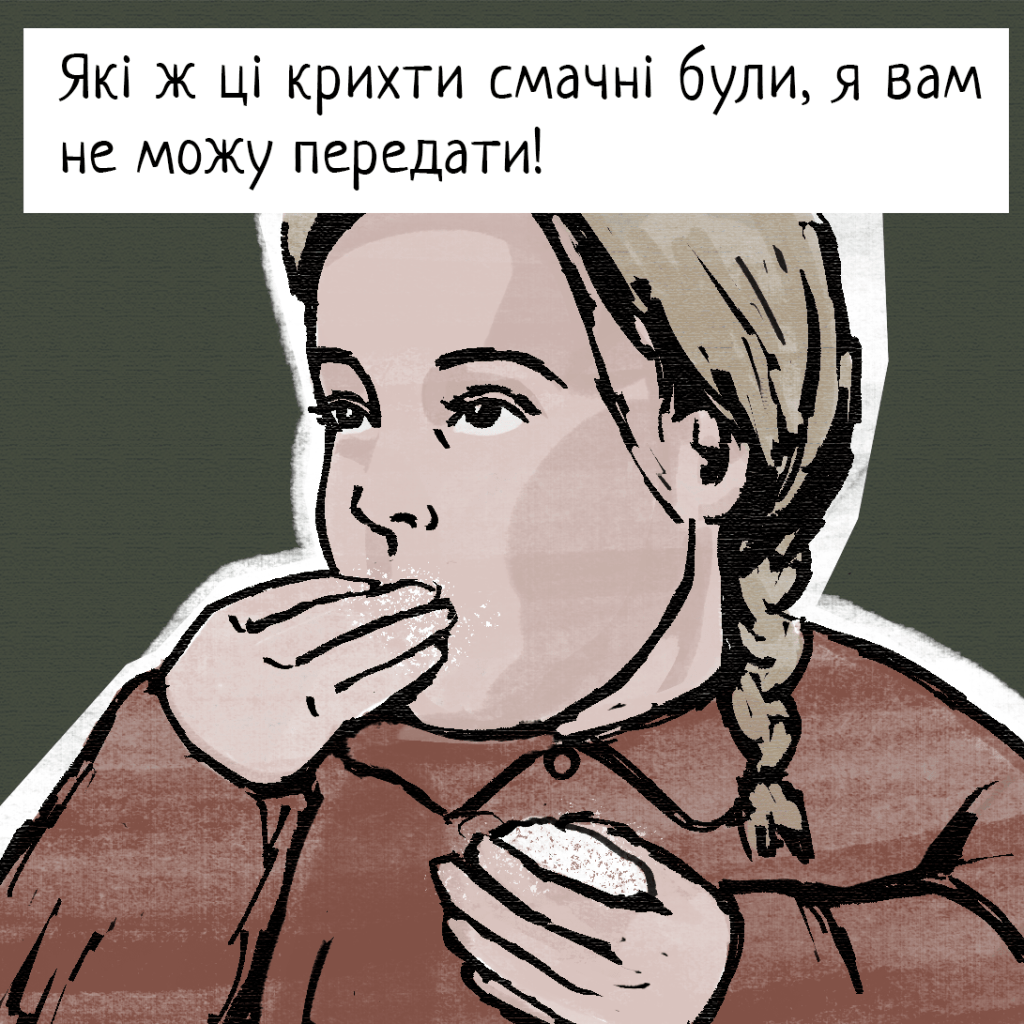
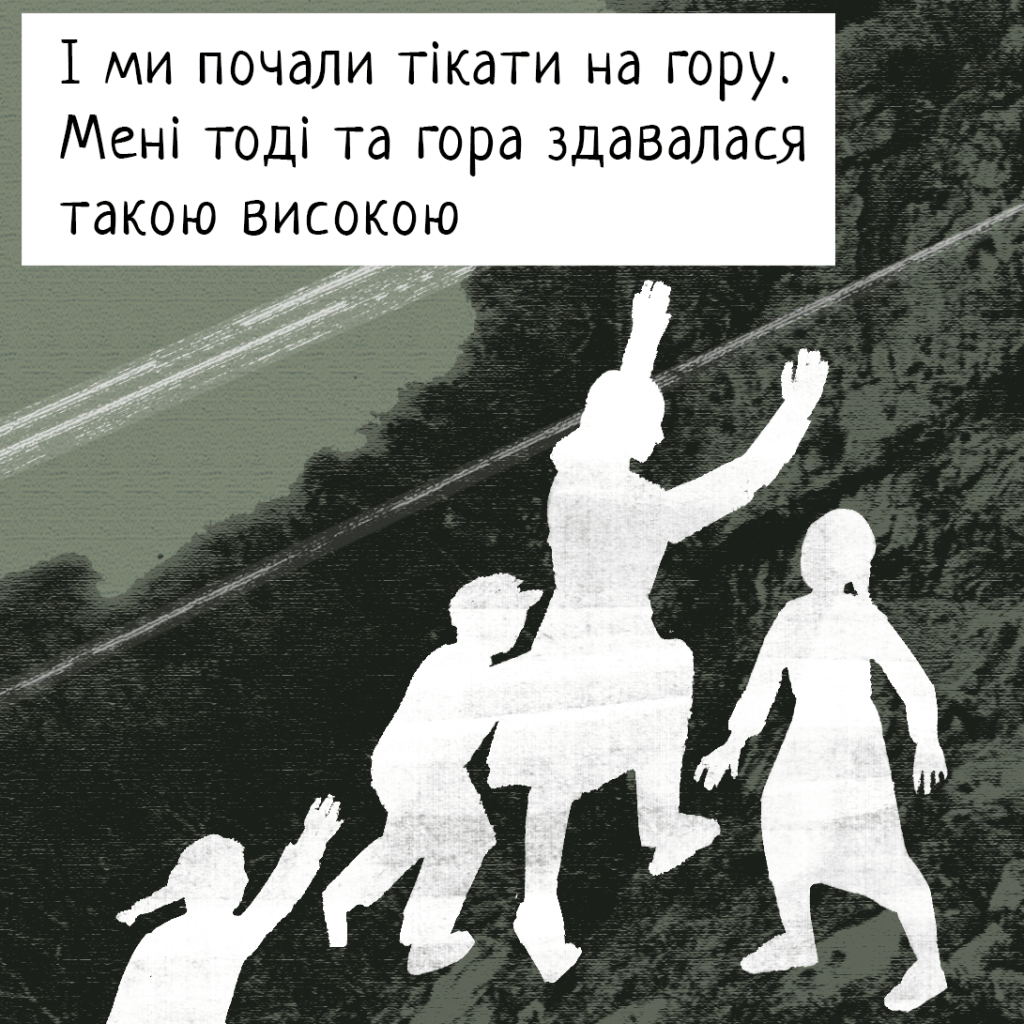
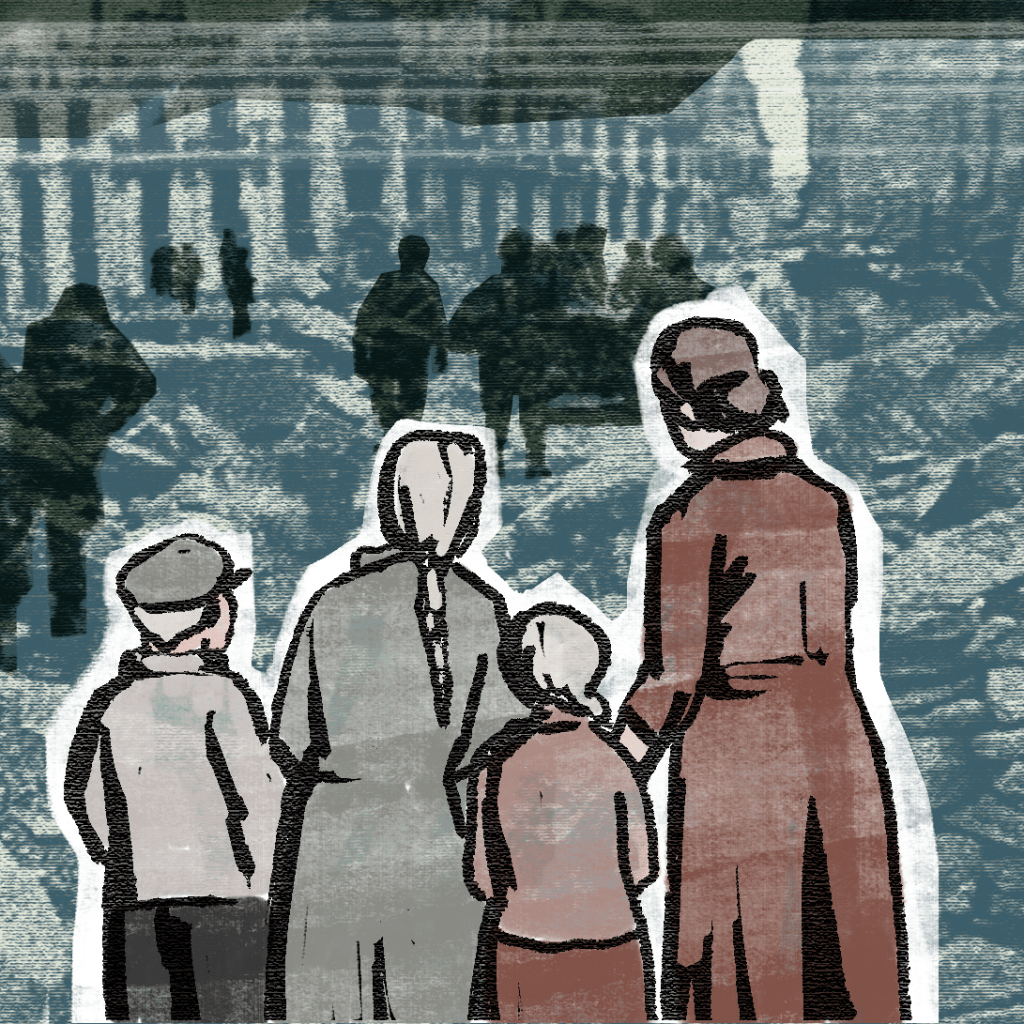
Graphic Story “A-Three-Year-Old Ostarbeiter”: A Story Of Maria Tymoshuk
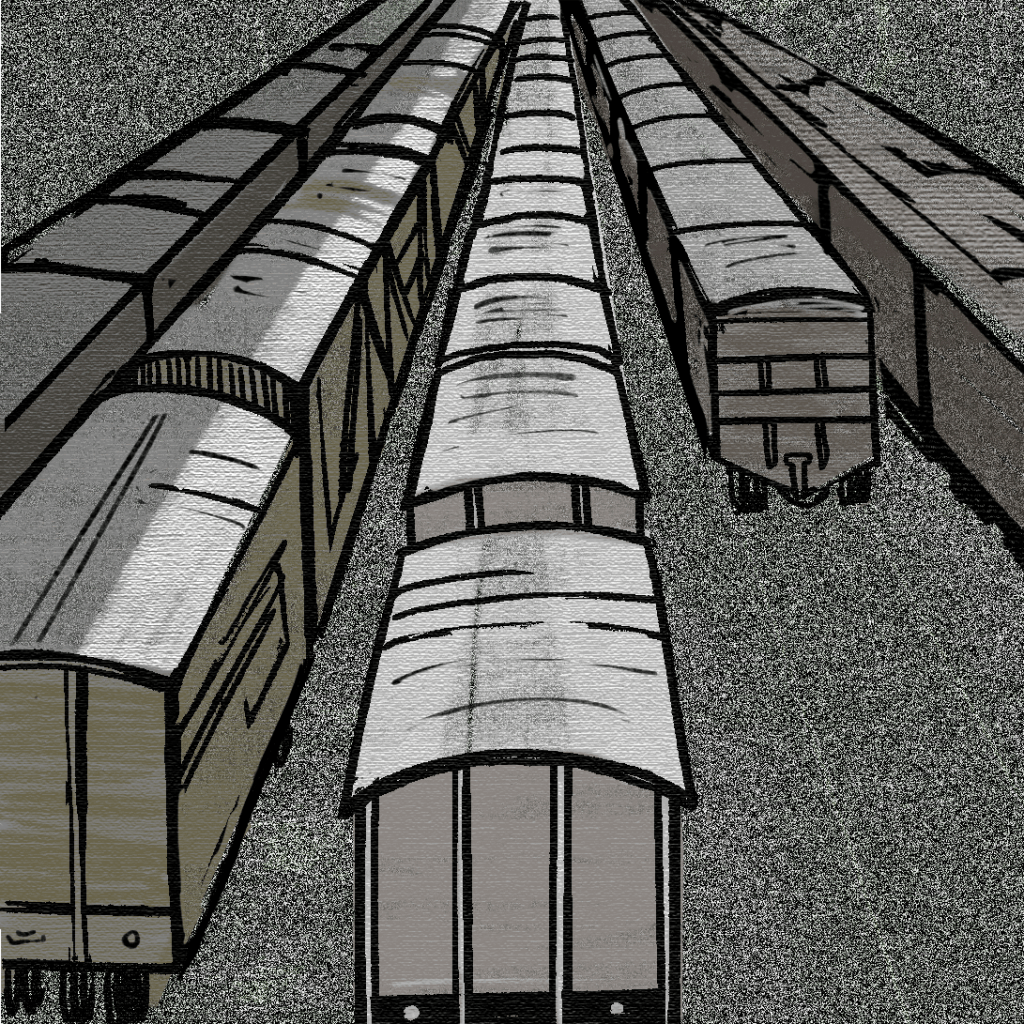
▲ During World War II, over 2 million people were deported for forced labor from occupied Ukraine to Nazi Germany, its allied territories, or other occupied regions, including many minors among them. Often, entire families with young children were taken. Among them was Maria Tymoshuk from Volyn. Now, with the full-scale Russian invasion, she, like hundreds of thousands of other Ukrainian women and men, finds herself facing a second war in her lifetime.
We met with Maria to document her memories of her experiences. Subsequently, with the ‘Spilne’ team, these memories were adapted into a graphic story, now available in Ukrainian, English, German, and French.
More images
7 project —
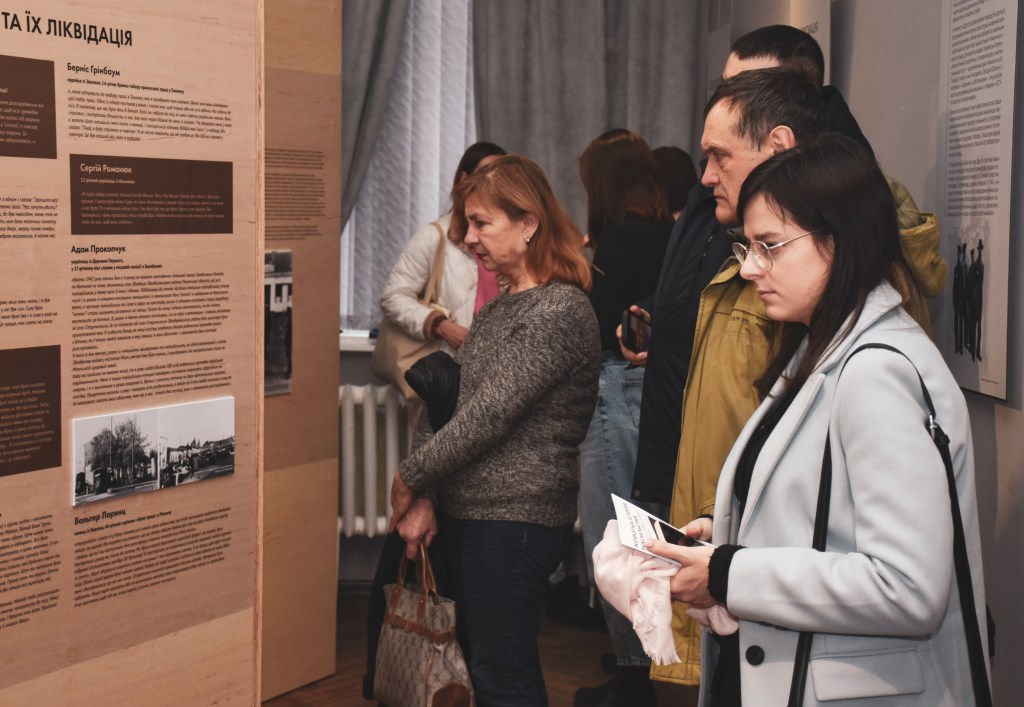
Exhibition project “A Brief History of Violence: World War II and the Holocaust in Western Volyn”
▲ This is a story about the events of 1939–1945 within the present-day territories of Volyn, Rivne, and northern Ternopil regions and how extreme violence impacted the lives of the average residents of the region. The era of Soviet and Nazi repressions is presented from the perspective of people of different ethnic and social backgrounds, political beliefs, and individual experiences. Their experiences are reproduced based on photos and documents from Ukrainian and German archives, as well as oral history interviews recorded by our team during 2021-2023.
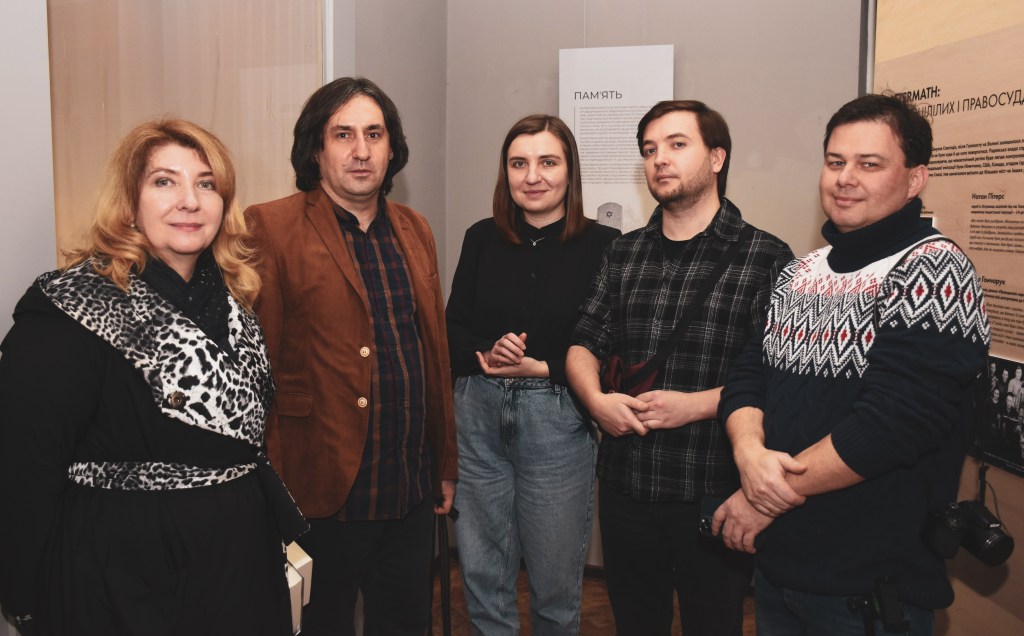
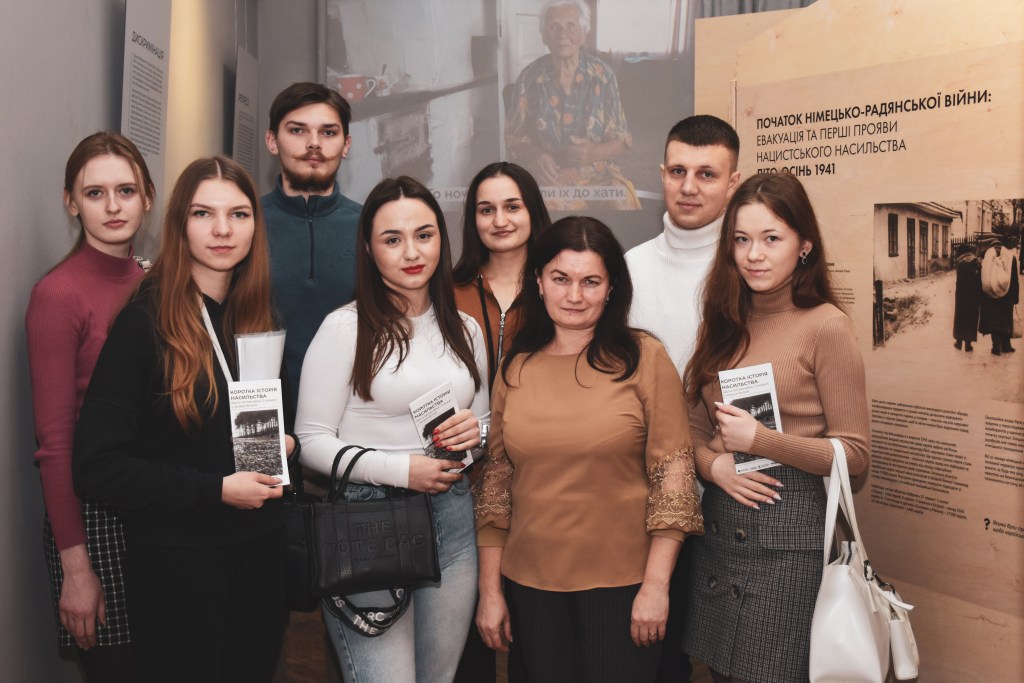
The opening of the exhibition took place in the Rivne Regional Museum of Local History on February 14, 2024. The project is implemented in cooperation with the museum and the Rivne Regional Institute of Postgraduate Pedagogical Education with the support of the EVZ Foundation (Responsibility, Memory, Future).
Publications
A New Perspective on the Events of the Second World War in Volyn—Iryna Dalnychuk, Ukrainske Radio. Rivne
A Brief History of Violence: an Exhibition on the Holocaust was presented in Rivne—Yulia Savchuk, Suspilne
A Brief History of Violence: an Exhibition on the Holocaust was presented in Rivne (VIDEO)—Sphera-TV
An Exhibition on Holocaust and Represions of Nazi and Soviet Regimes Opens in Rivne—Anton Shynkaruk, Volyn Monitor
More photos
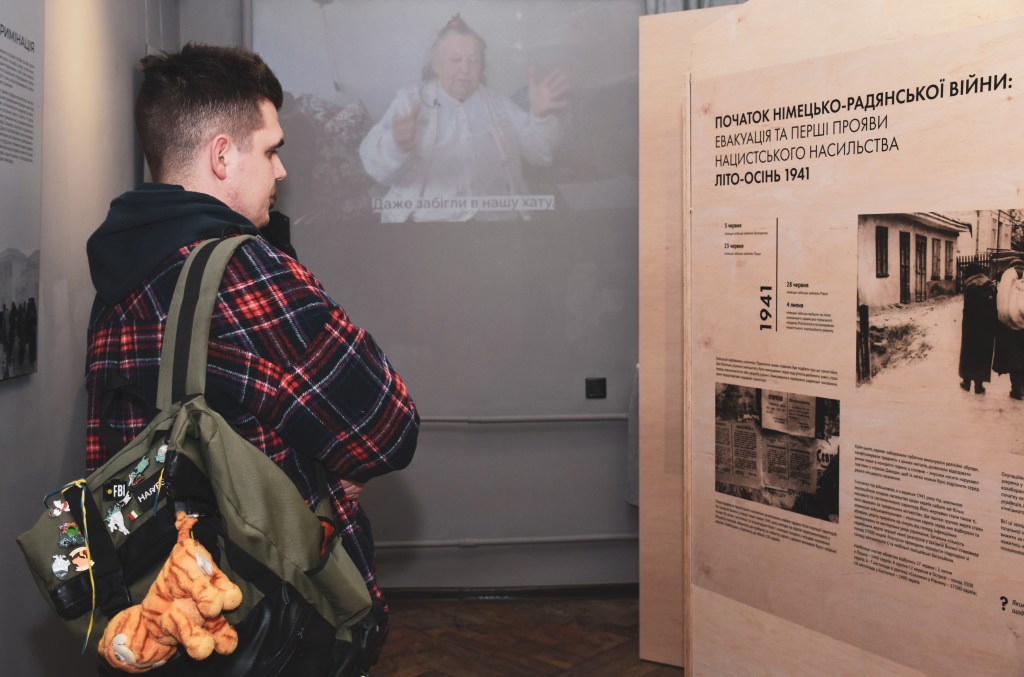
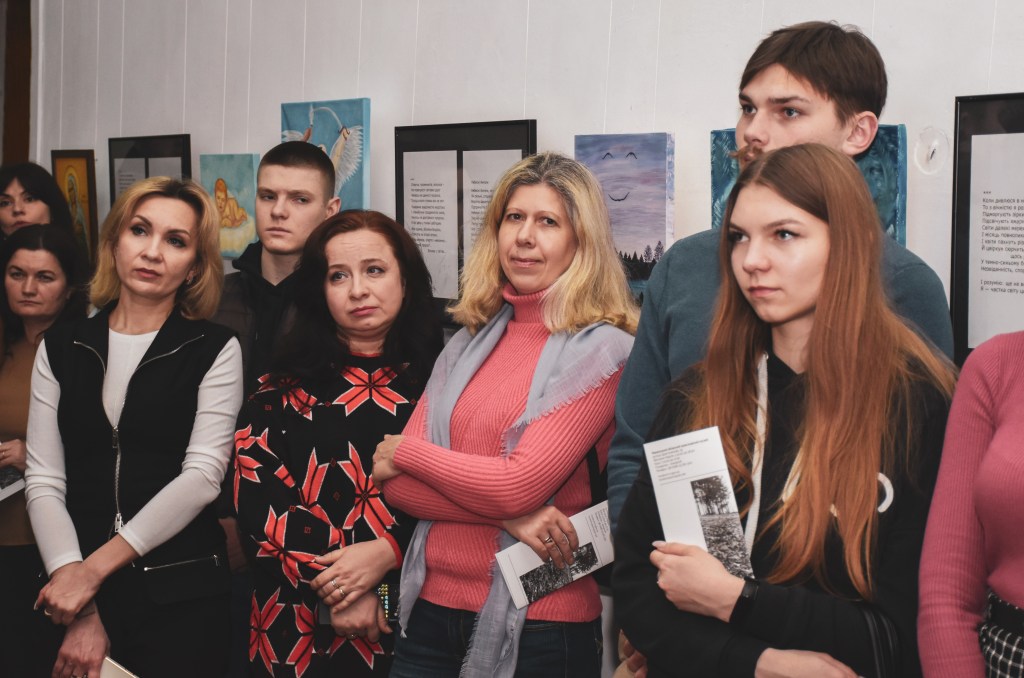
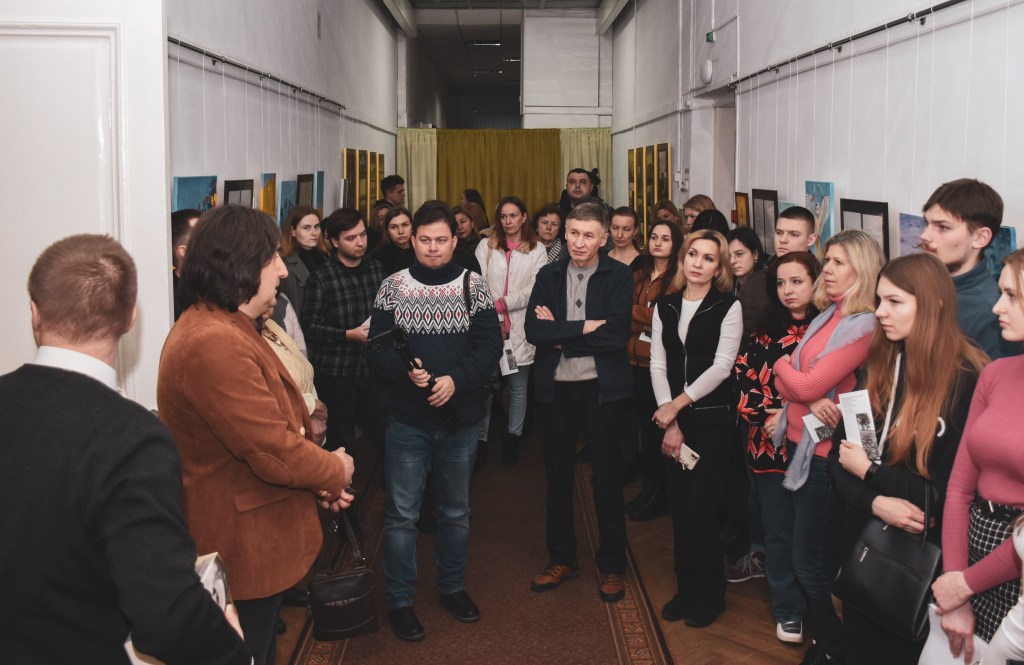
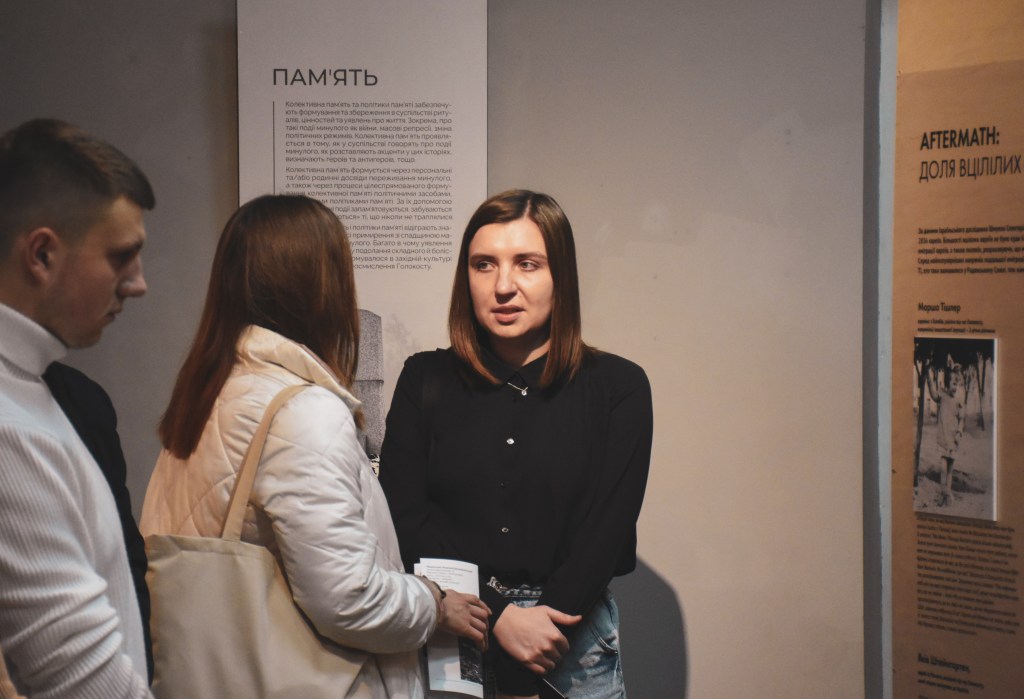
Photos: Maryna Dolhanova, NGO “After Silence”
Also,
⇥ The organization’s website has been updated.
⇥ We became an internship site for cultural studies students of the Ukrainian Catholic University.
⇥ Our colleague Daria Reznyk started her doctoral project Experience and Memory of Soviet Deportations (1944-1955) at the Leibniz Institute for the History and Culture of Eastern Europe at the University of Leipzig, based on our oral history collection.
⇥ A photo by our colleague Anna Yatsenko was included in the top 7 of the EVZ Foundation’s #WatchOutHstry photo competition.
We are grateful to all defenders for the possibility to carry on with our work.
—NGO “After Silence”, 2023
 After SIlence