
Deportations. Visual memory
Virtual exhibition ‘Deportations. Visual memory‘ is the first attempt to organize and critically analyze the photographic heritage of special settlers from Western Ukraine.
During the 1944–1953, the Soviet regime deported to Siberia, the Far East, and to Central Asia more than 210,000 inhabitants from Western Ukraine. Most of them were families of members of the OUN underground and UPA soldiers, who then had an illegal status, died or served their terms in the Gulag camps. Families of wealthy peasants who opposed collectivization, Greek Catholic priests who refused to convert to Orthodoxy, Jehovah’s Witnesses, and others were deported, too. As special settlers, they began life under numerous regime restrictions. The settlers were released in the early 1960s, long after Stalin’s death. They were able to speak openly about their experiences no sooner than after the collapse of the Soviet Union.
Throughout the year, the team of the After Silence NGO interviewed survivors of the Soviet mass deportations, and their relatives. In this work, we managed to digitize photos from private archives. These photos were made by professional photographers and by amateurs among special settlers who got hold of cameras in the second half of the 1950s. The photos mostly represent family portraits, photos from celebrations or other important life moments. The tragic episodes certainly stayed behind the scenes: hasty gatherings after the order to leave their homes or transportation in the ‘cattle’ wagons that sometimes took months. For those who keep the photos, they are a visual confirmation of the experience. For researchers, it is an important source of reconstruction of everyday life of special settlers.
We express the acknowledgement to those who agreed to share their memories and provide access to their private archives. We hope that this virtual exhibition will contribute to further research into Soviet mass violence and inspire each of us to take an interest in family history.
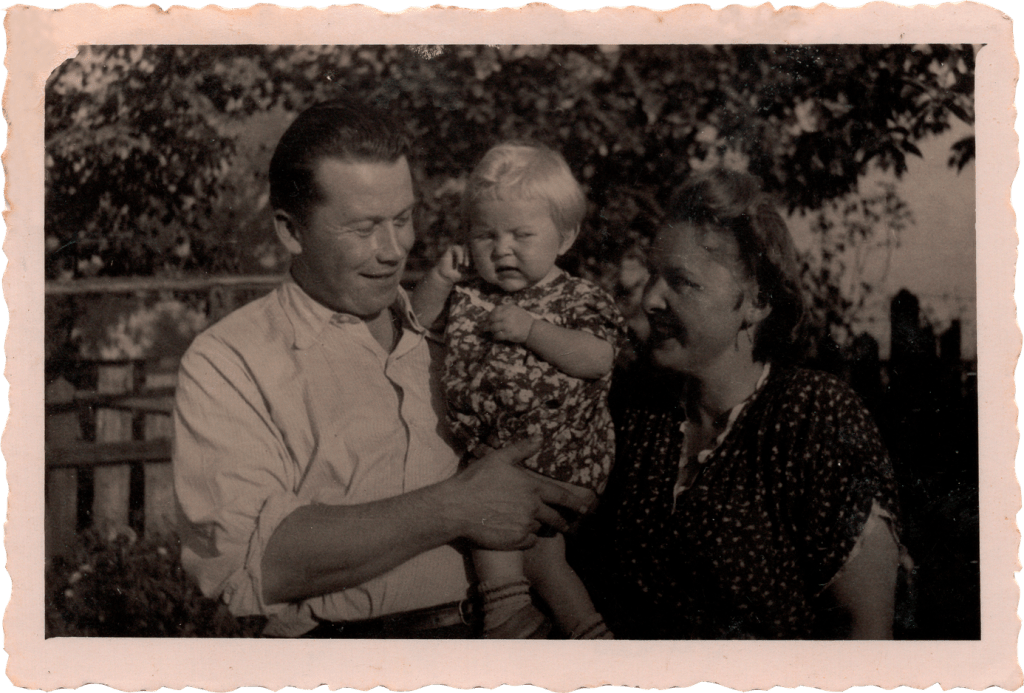
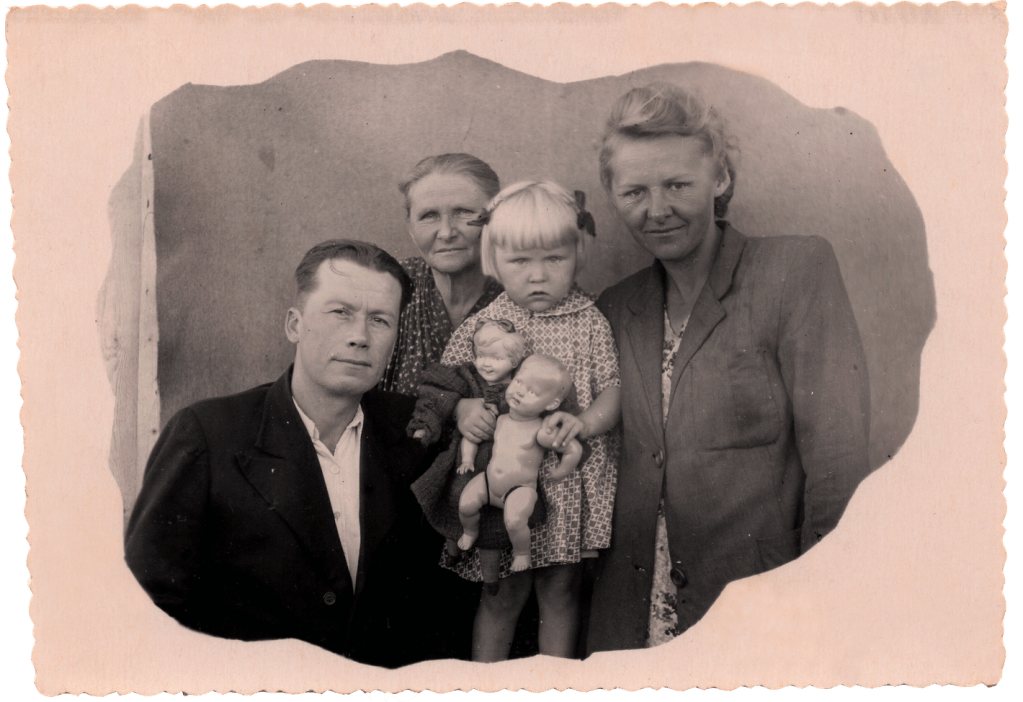
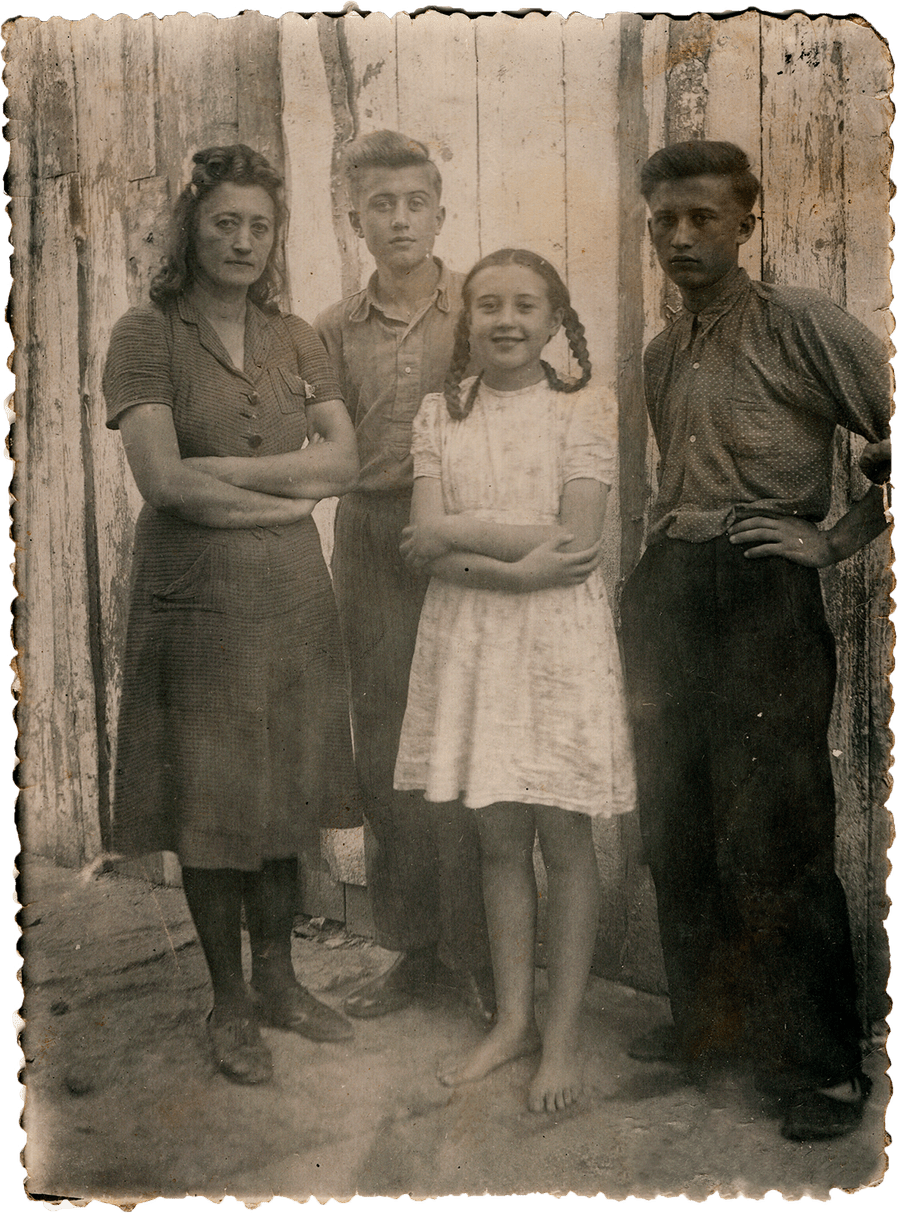
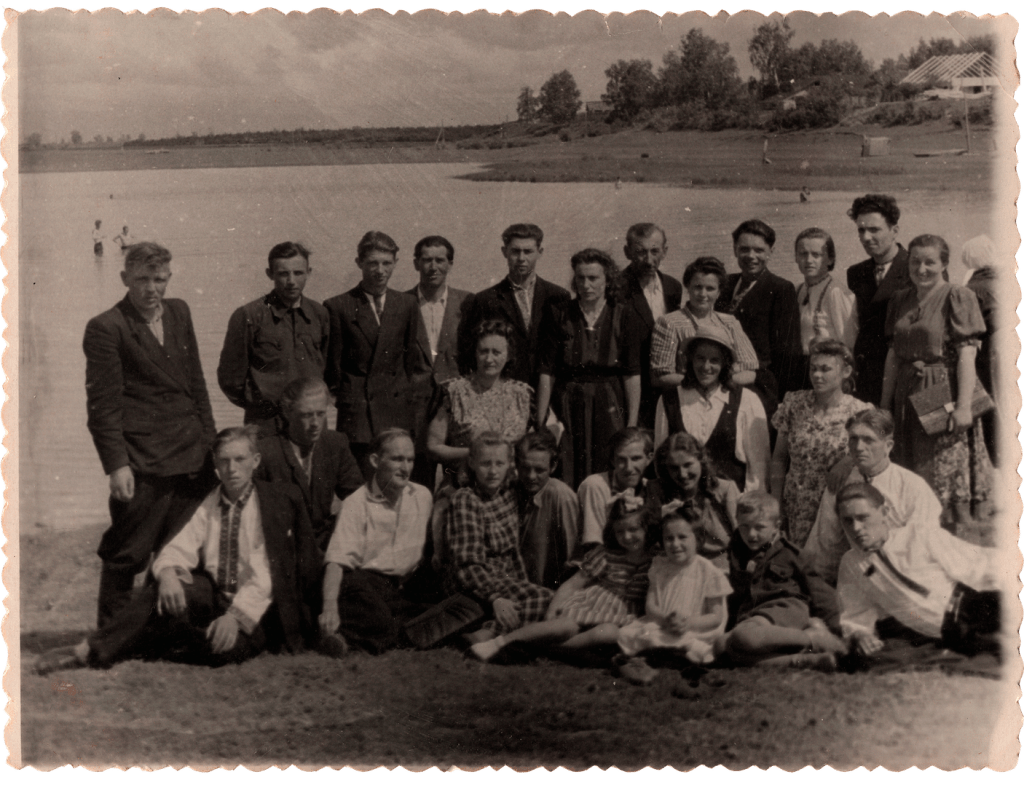
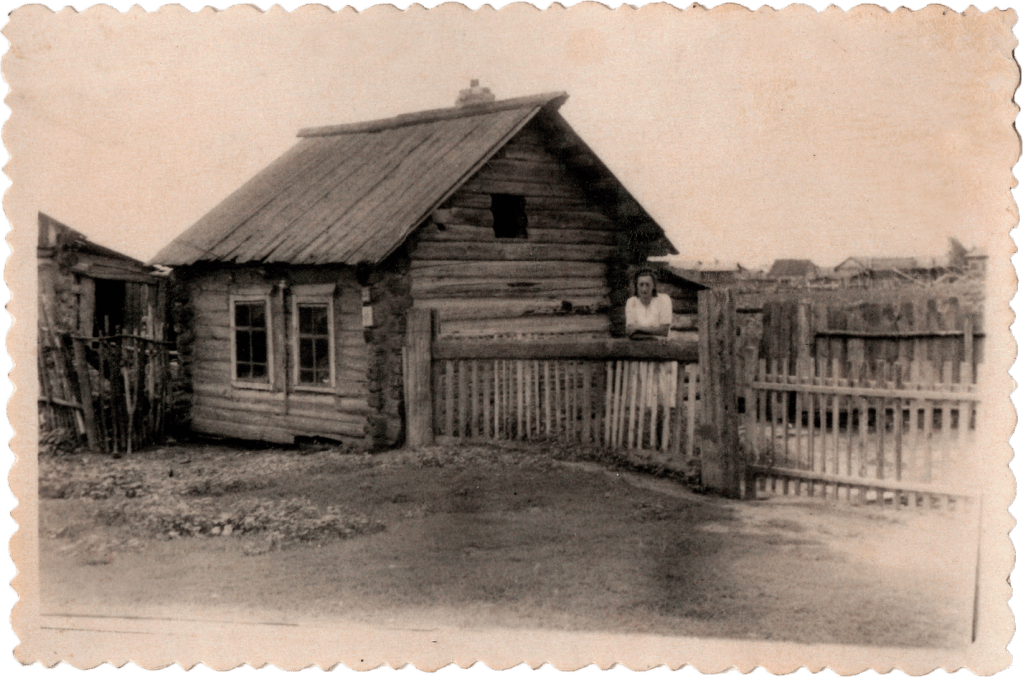
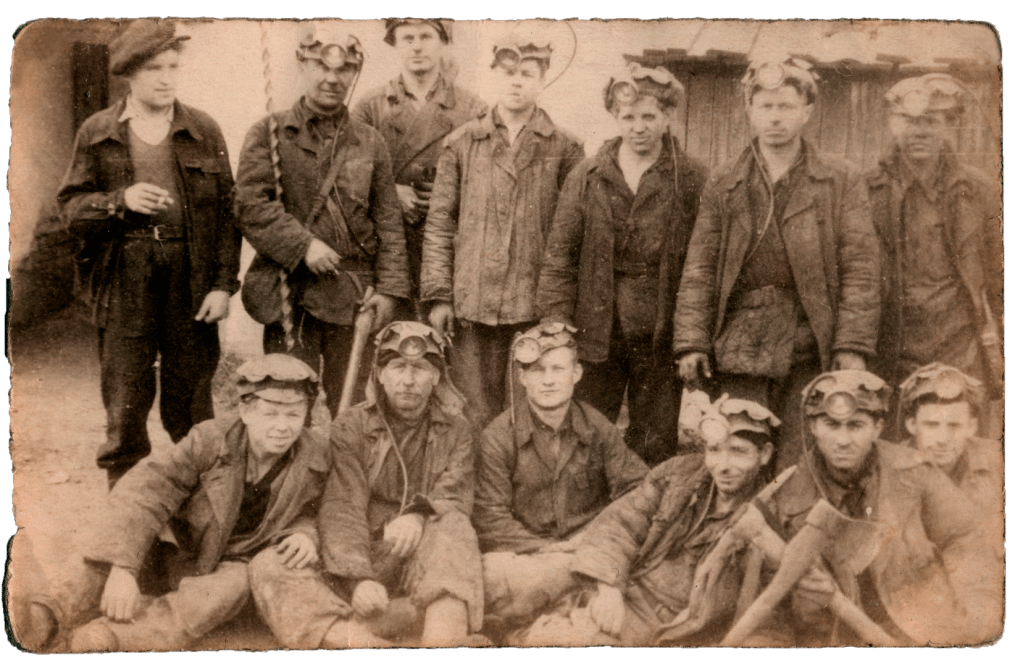
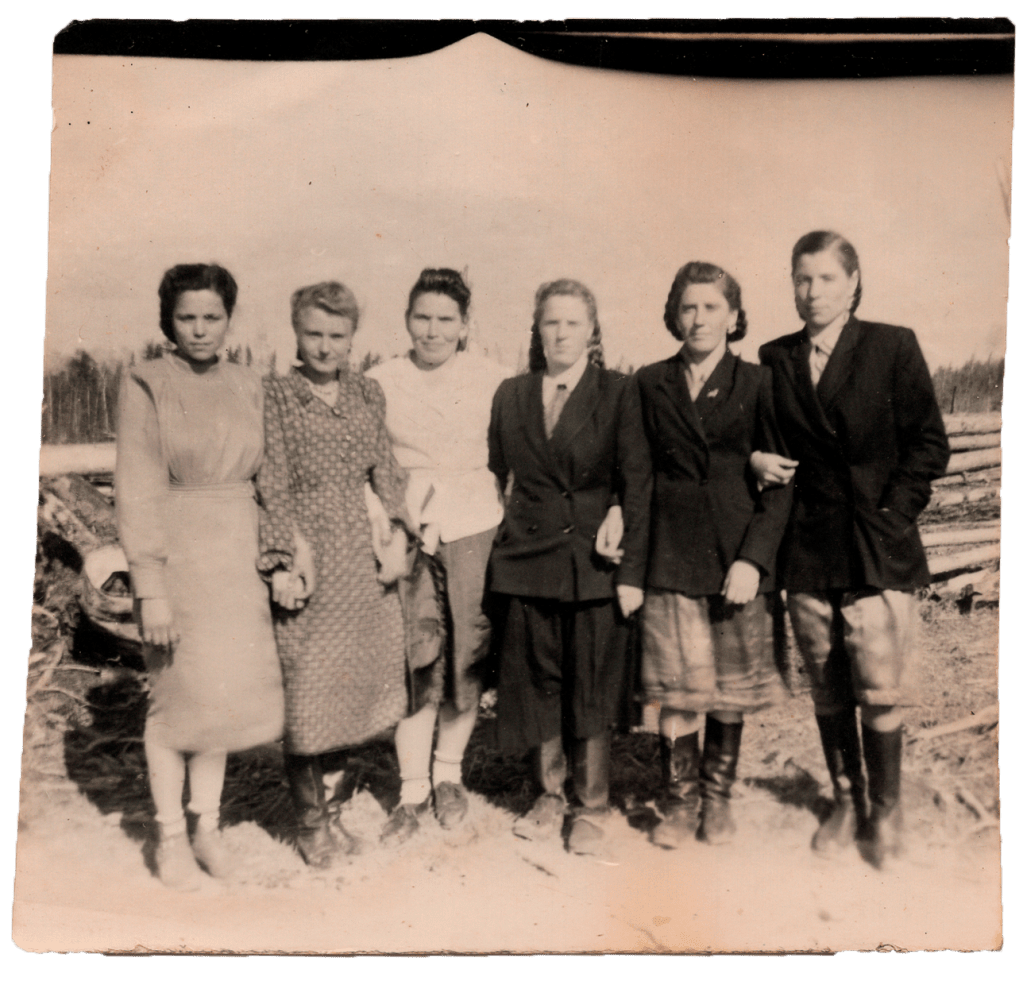

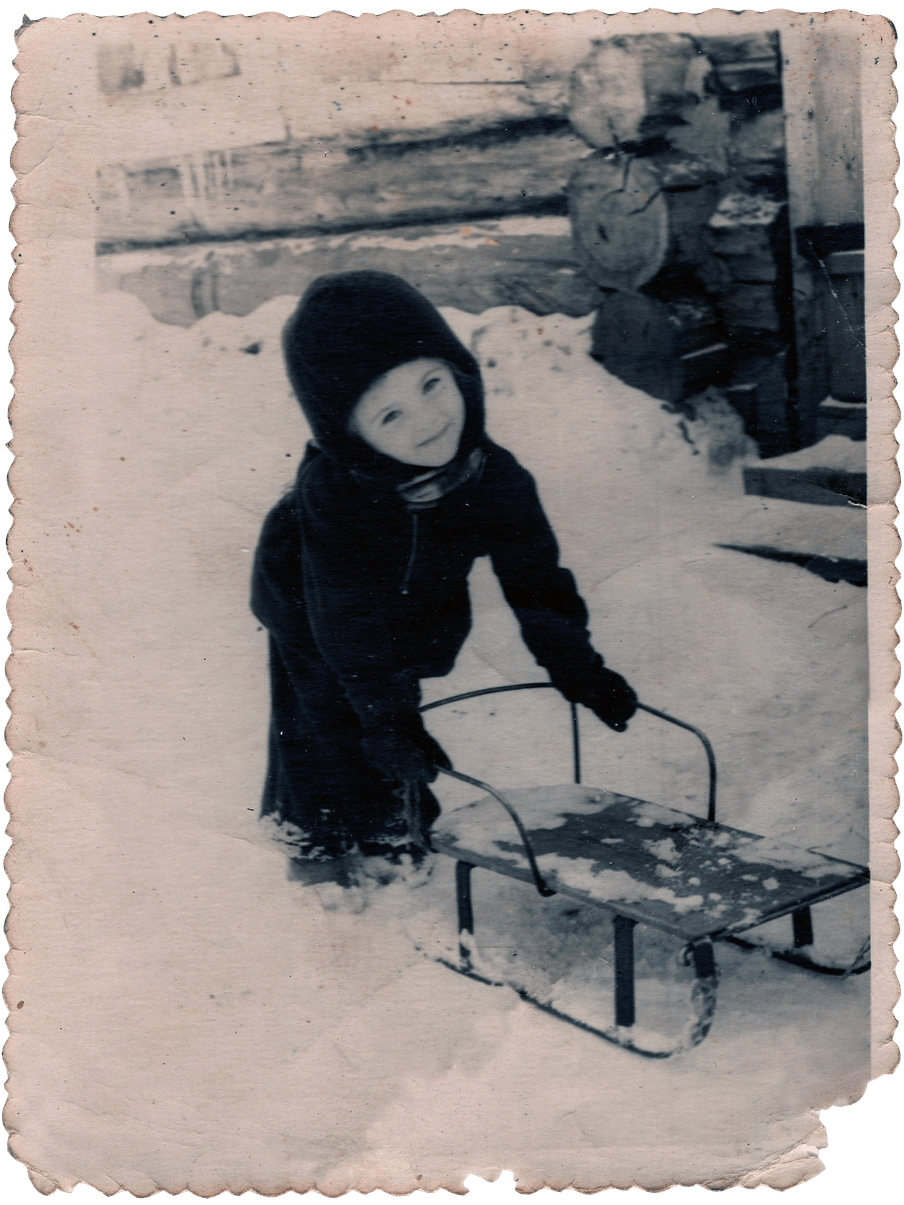
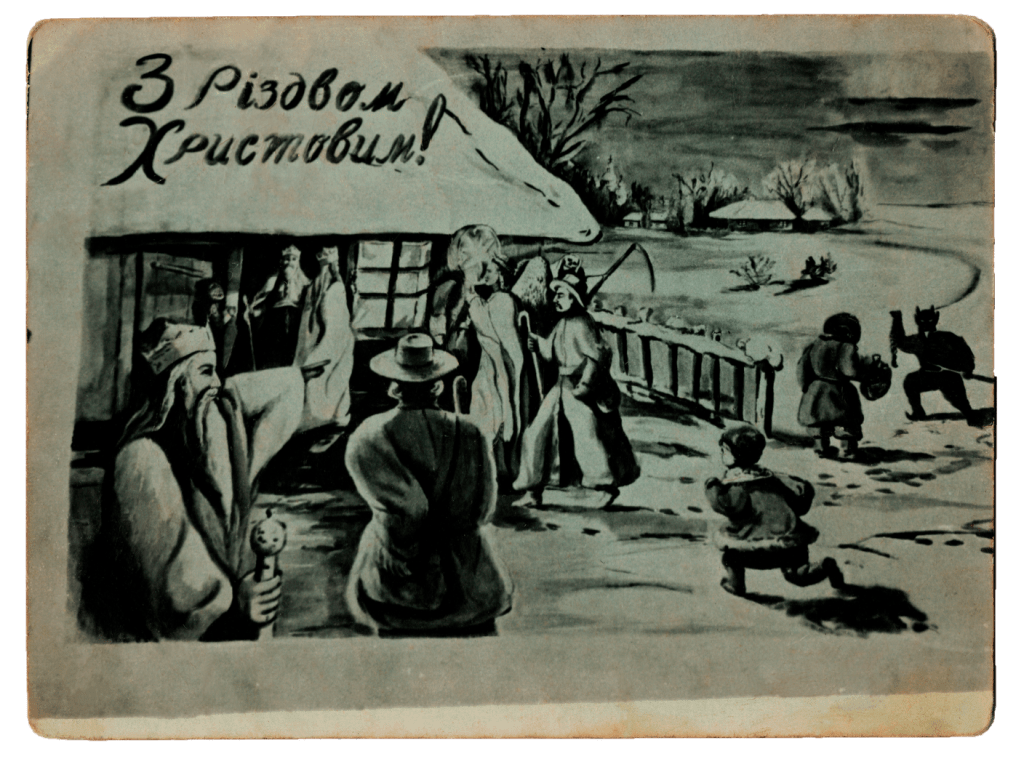
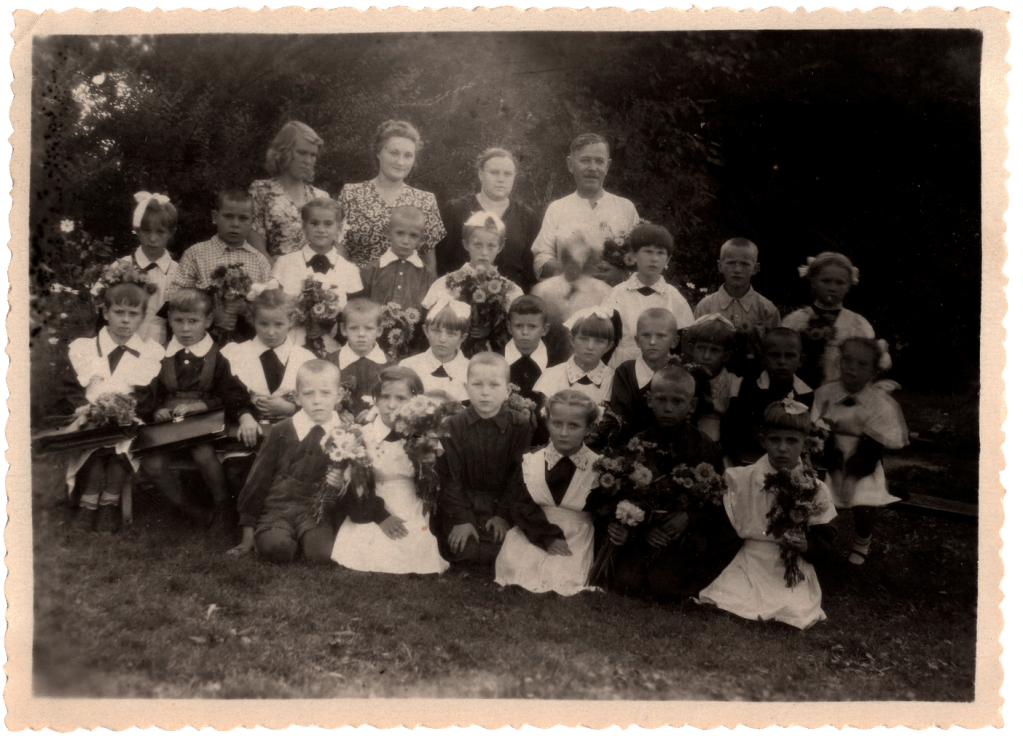
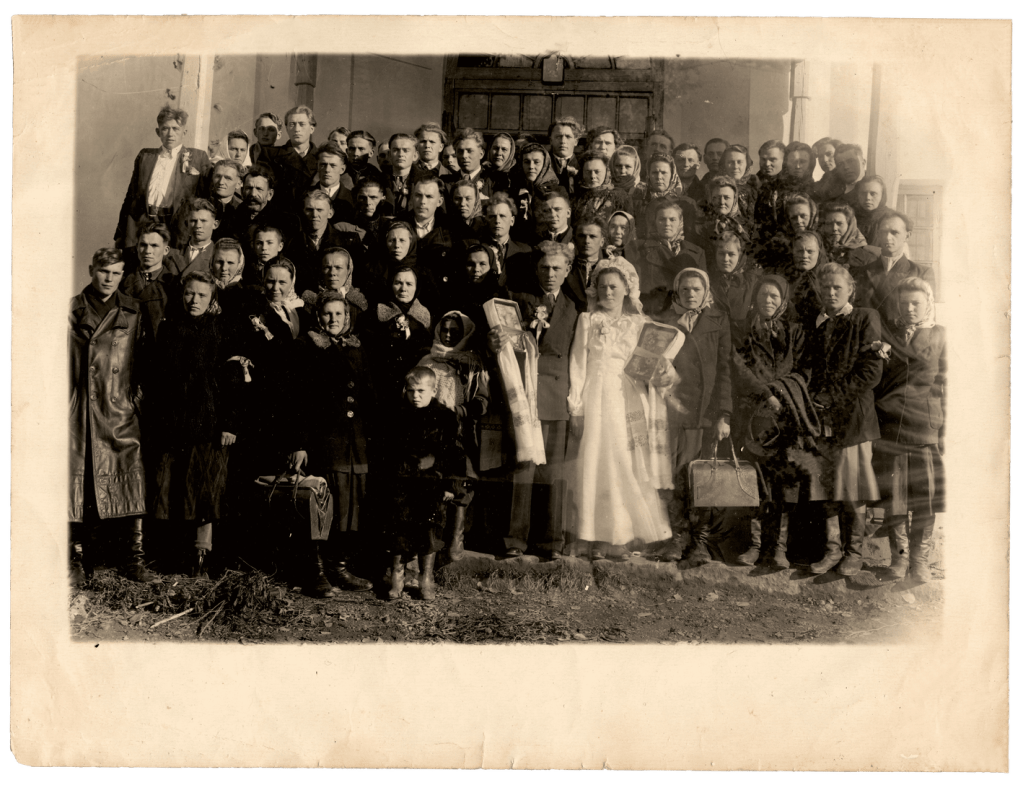
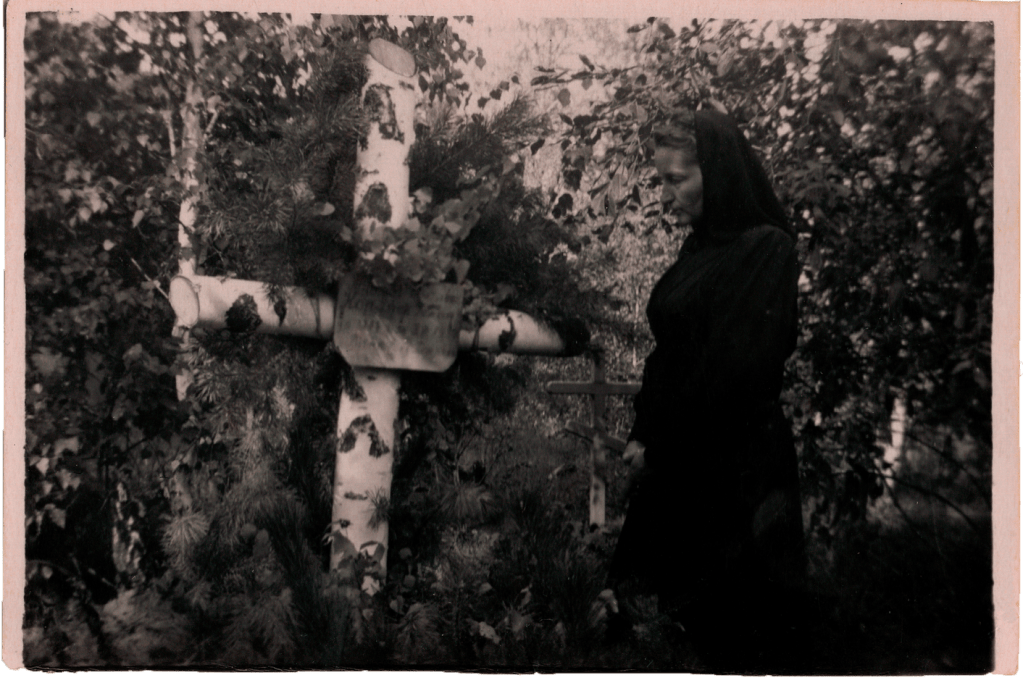
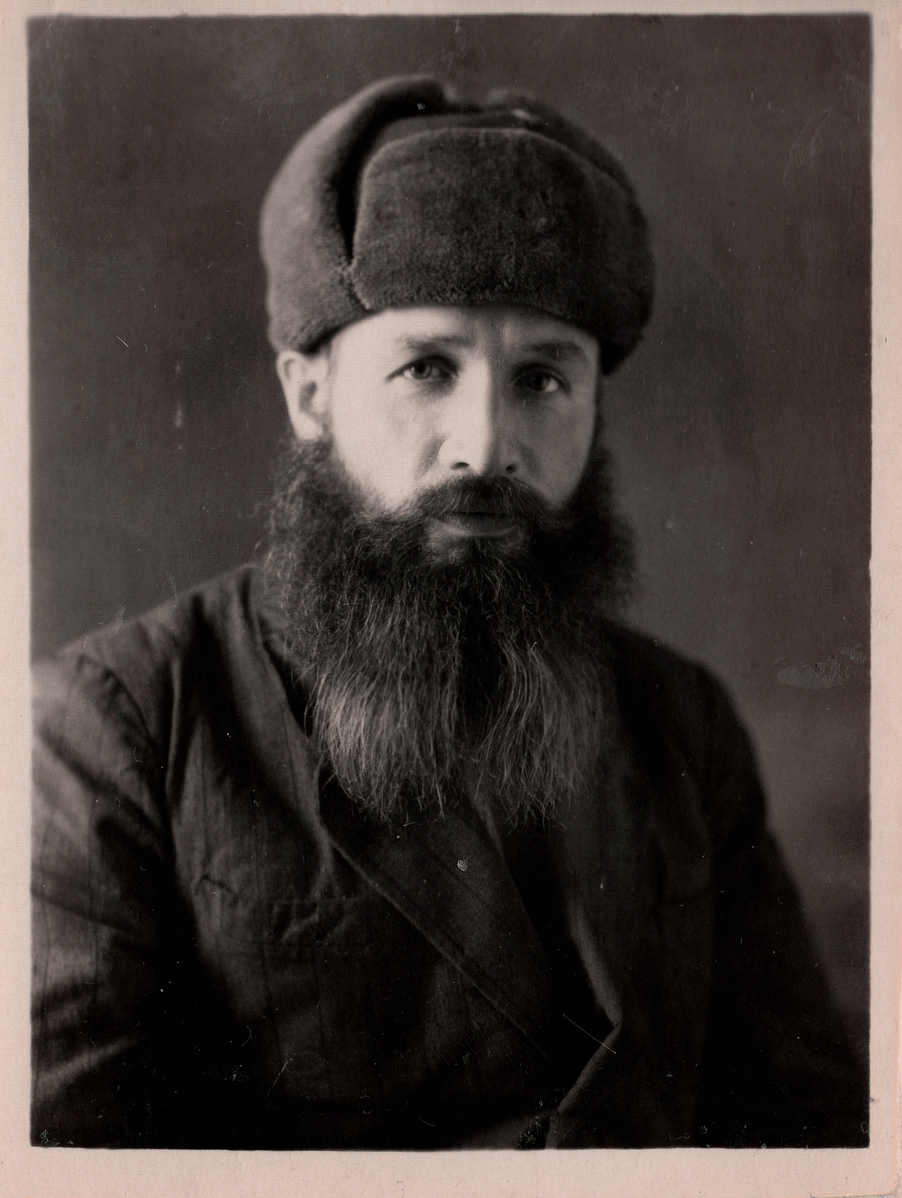
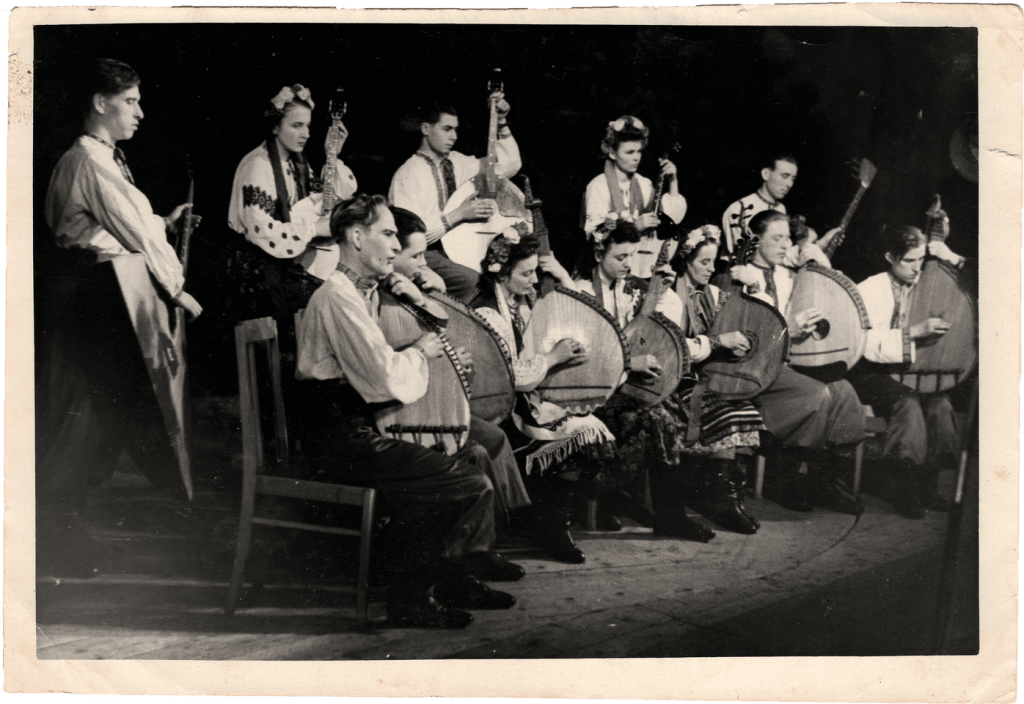
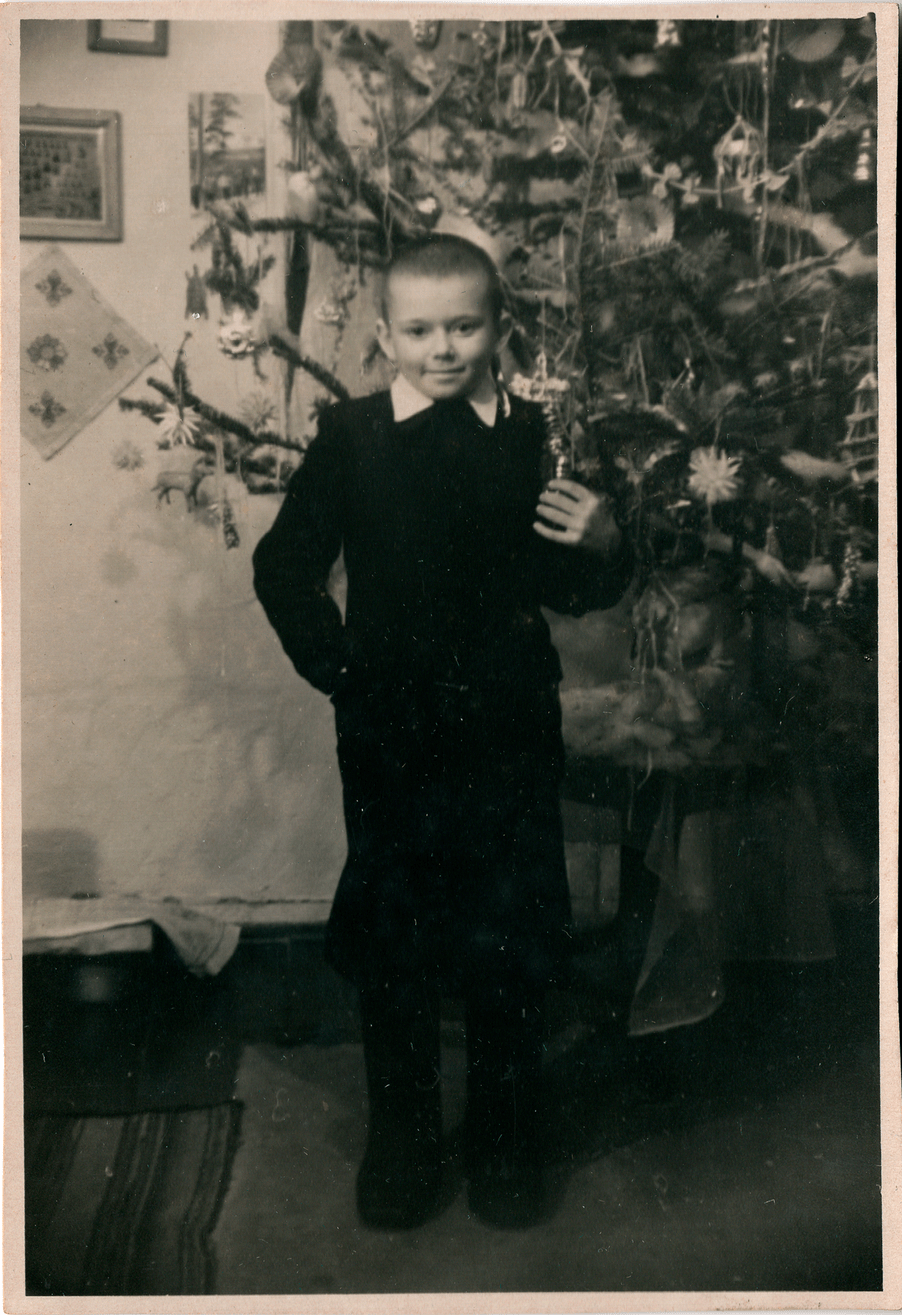
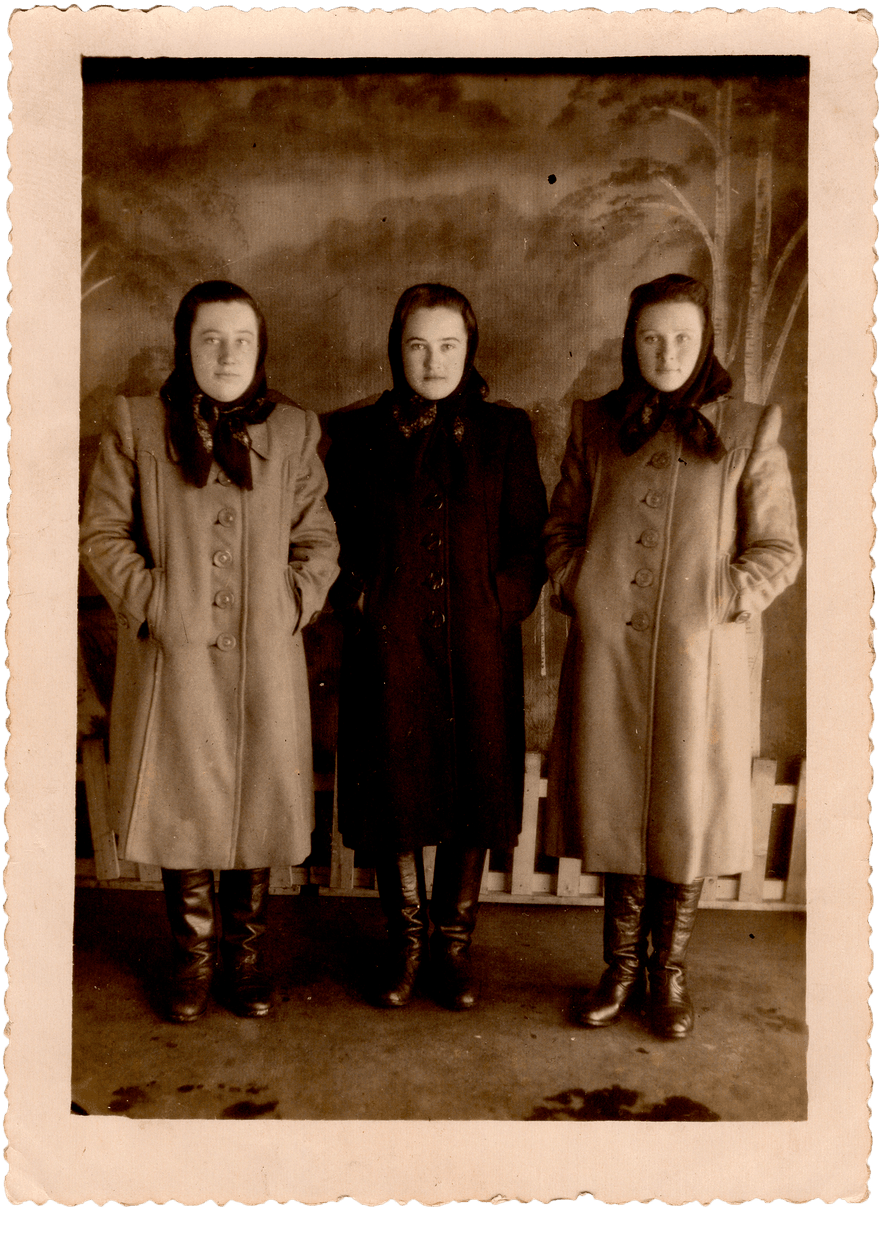
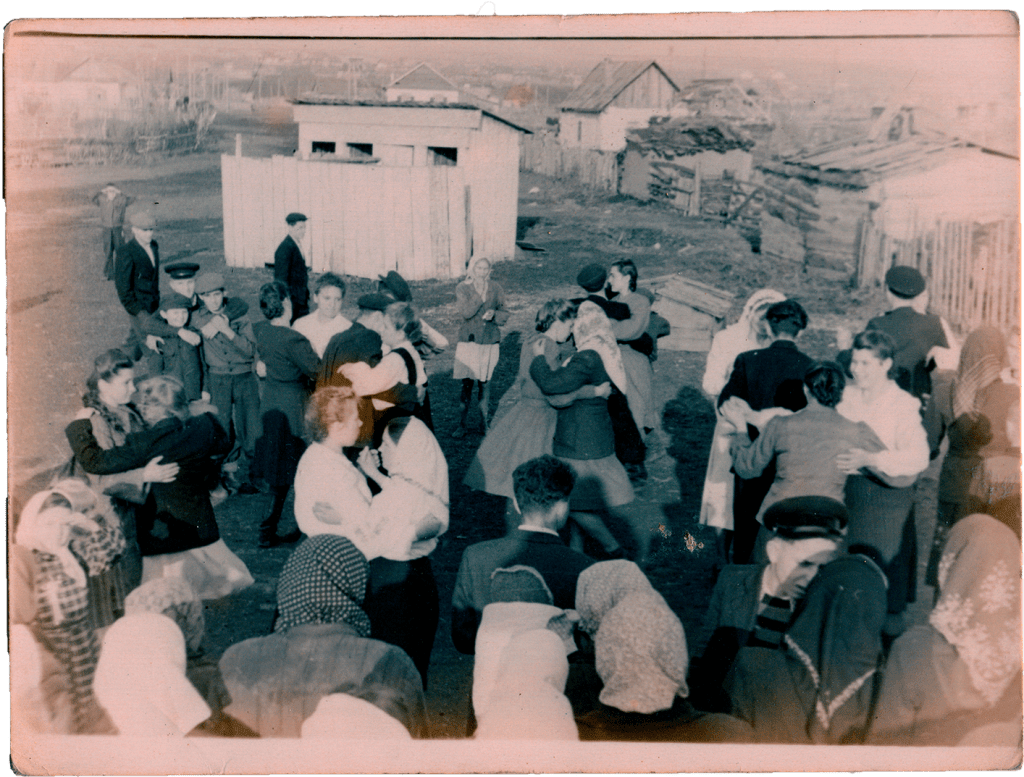
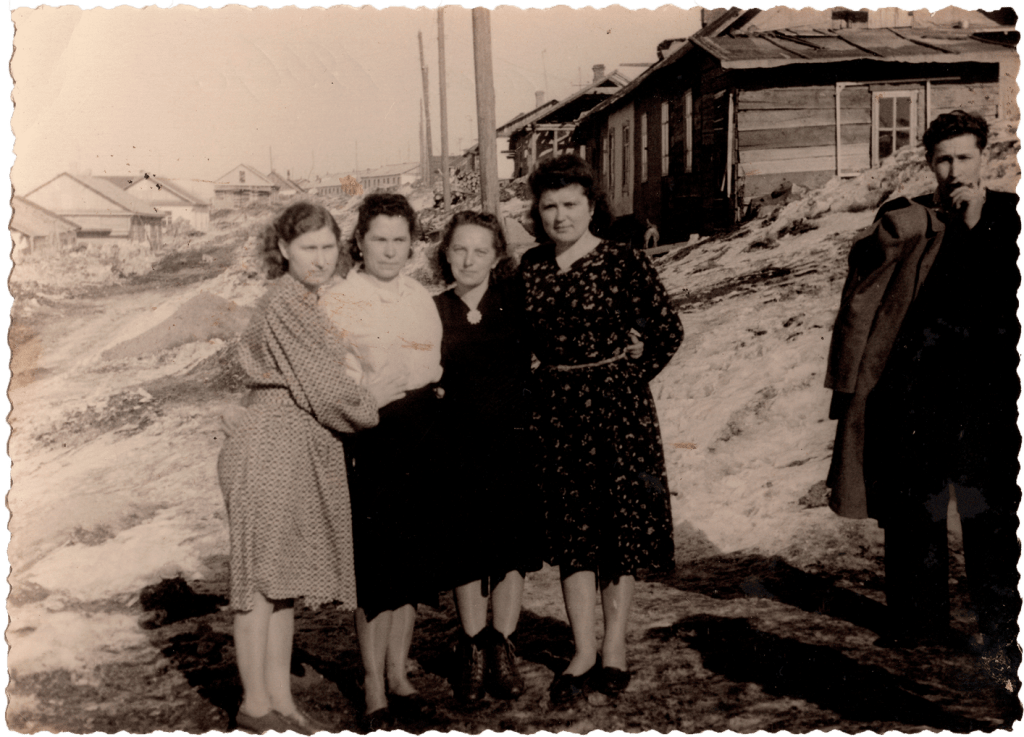
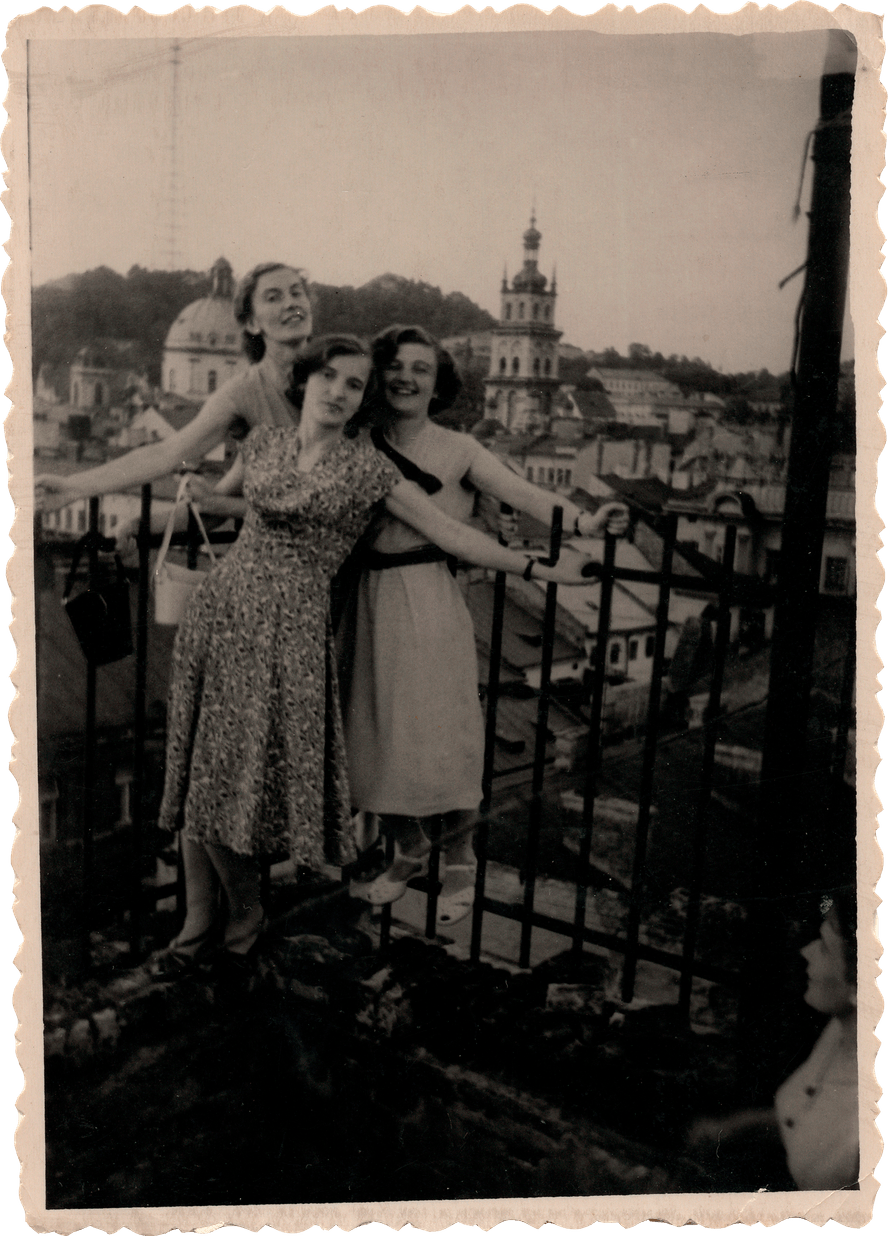
Virtual exhibition ‘Deportations. Visual memory’ is the first attempt to organize and critically analyze the photographic heritage of special settlers from Western Ukraine. The project was supported by the Heinrich Böll Foundation, Kyiv Office, Ukraine.
Liza Siviets. ‘I should be invited to the Nuremberg Trials of the Soviet government — Tamara Vronska, researcher‘ — IN UKRAINIAN
Lia Dostlieva. ‘Visual archives of the deportees: photography as an unreliable witness‘ — IN UKRAINIAN
Andrii Usach, Anna Yatsenko. ‘Photo lab in the earth house: who photographed Ukrainians deported to Siberia‘ — IN UKRAINIAN
ANNA YATSENKO — culturologist, project coordinator
ANDRII USACH — historian, project expert
LIA DOSTLIEVA — cultural anthropologist, artist, project expert
TAMARA VRONSKA — historian, project expert
ALONA SOKURENKO — designer
VERONIKA KLYMSKA — editor
SVITLANA BREGMAN — translator
The project is supported by the Heinrich Böll Foundation Kyiv Office – Ukraine


 After SIlence